Resource guide — Updated 10 August 2026
Safe Paint Stripping for Older Homes
How to safely strip and prepare paint on older homes, including lead-safe steps.
Older-Home Preparation
Older Homes Safe Paint Stripping
Our guide to Safe Paint Stripping for Older Homes explains why testing, containment and lower-dust methods matter on older Auckland homes.
Why Older Homes Need Special Care Before Repainting
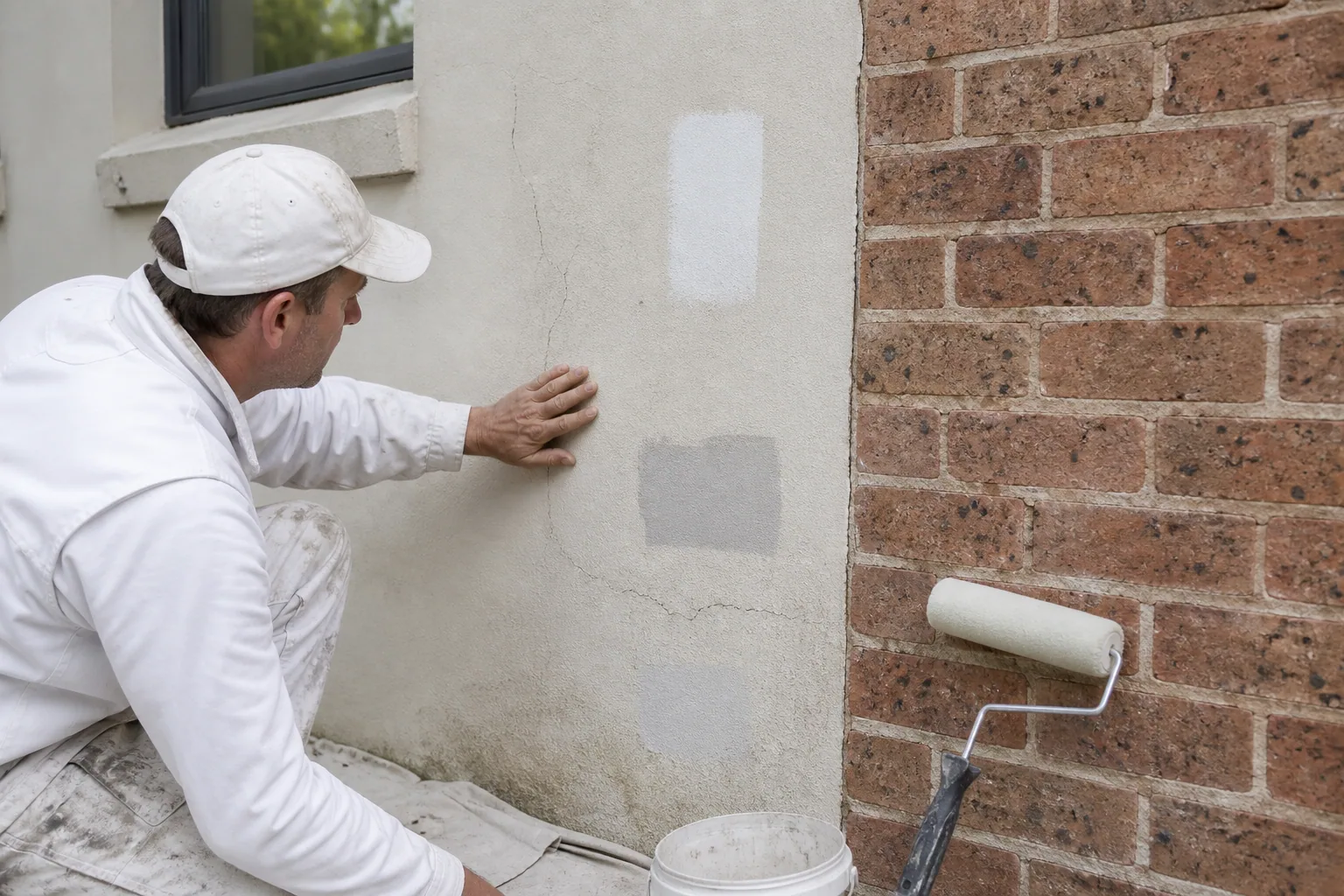
Homes with a long history of repainting often carry several, sometimes many, layers of old coating, and older layers can behave quite differently to modern paint when it comes to preparation. Some of these older coatings are more brittle, some contain different additives to what's used today, and identifying what you're actually dealing with before sanding, scraping or stripping begins is an important first step that's easy to skip when a job is treated as routine.
One specific and genuinely factual consideration is that homes built before the early 1970s may have lead-based paint somewhere in their older coating layers, since lead was a common paint additive in New Zealand until it was progressively phased out, with WorkSafe guidance treating anything built before the 1980s as worth checking. This doesn't mean every older home has a lead problem, but it does mean surface preparation on pre-1970s properties deserves a more careful approach than simply sanding back to bare timber or masonry.
How to Tell If Paint May Contain Lead
The age of the home is the first and most useful indicator: if any part of the building or its previous coatings dates from before the early 1970s, it's worth treating old paint layers with more caution rather than assuming they're the same as modern paint. Visual appearance alone isn't a reliable way to tell whether paint contains lead, since old lead-based paint can look no different to any other aged coating.
Professional test kits and laboratory testing are both options if you want certainty before starting significant preparation work, particularly on a substantial repaint or renovation project. Where there's genuine uncertainty about a home's age or coating history, asking a painter experienced with older properties for their assessment, and if needed recommending testing, is a sensible way to approach it rather than guessing.
Safe Stripping Methods
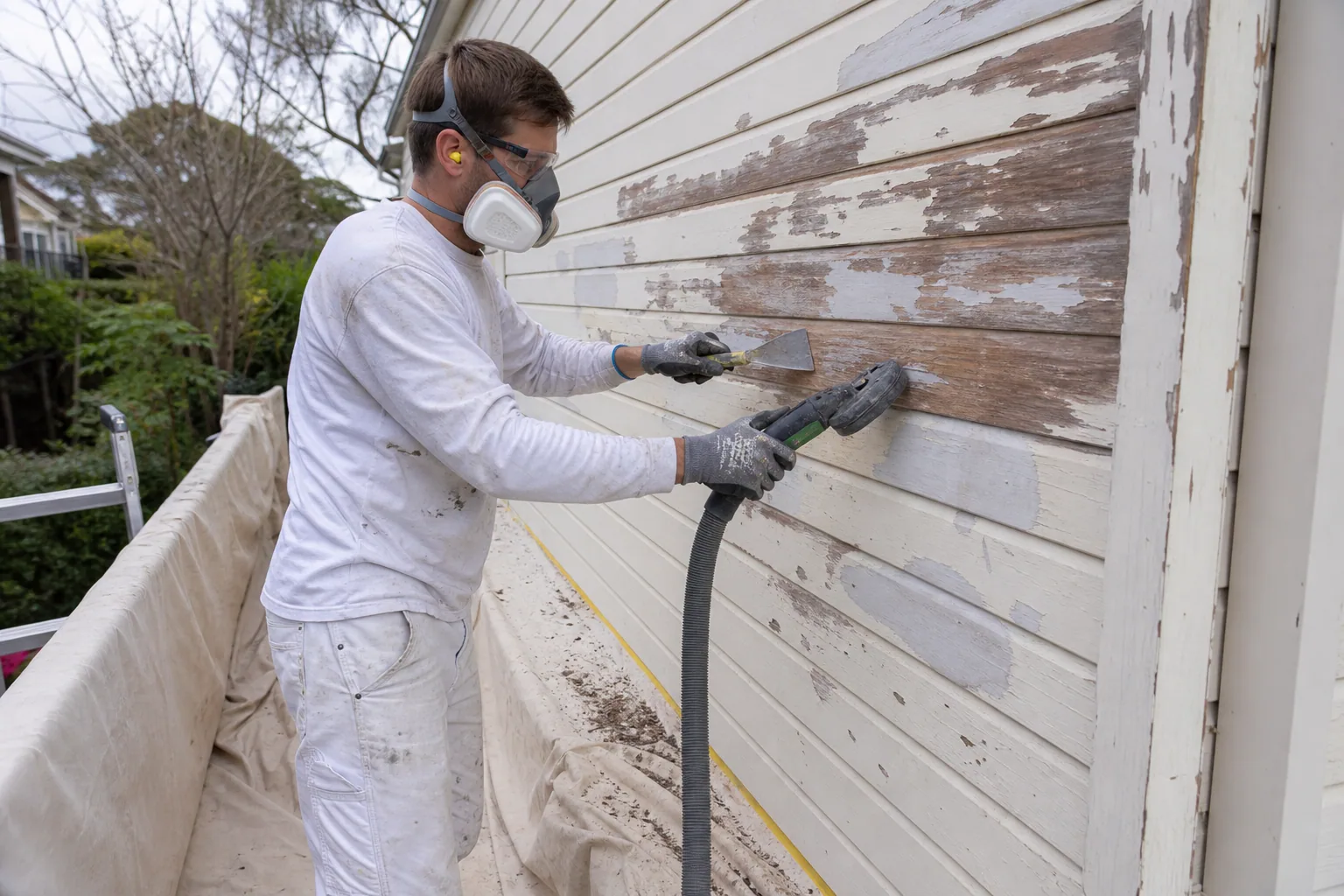
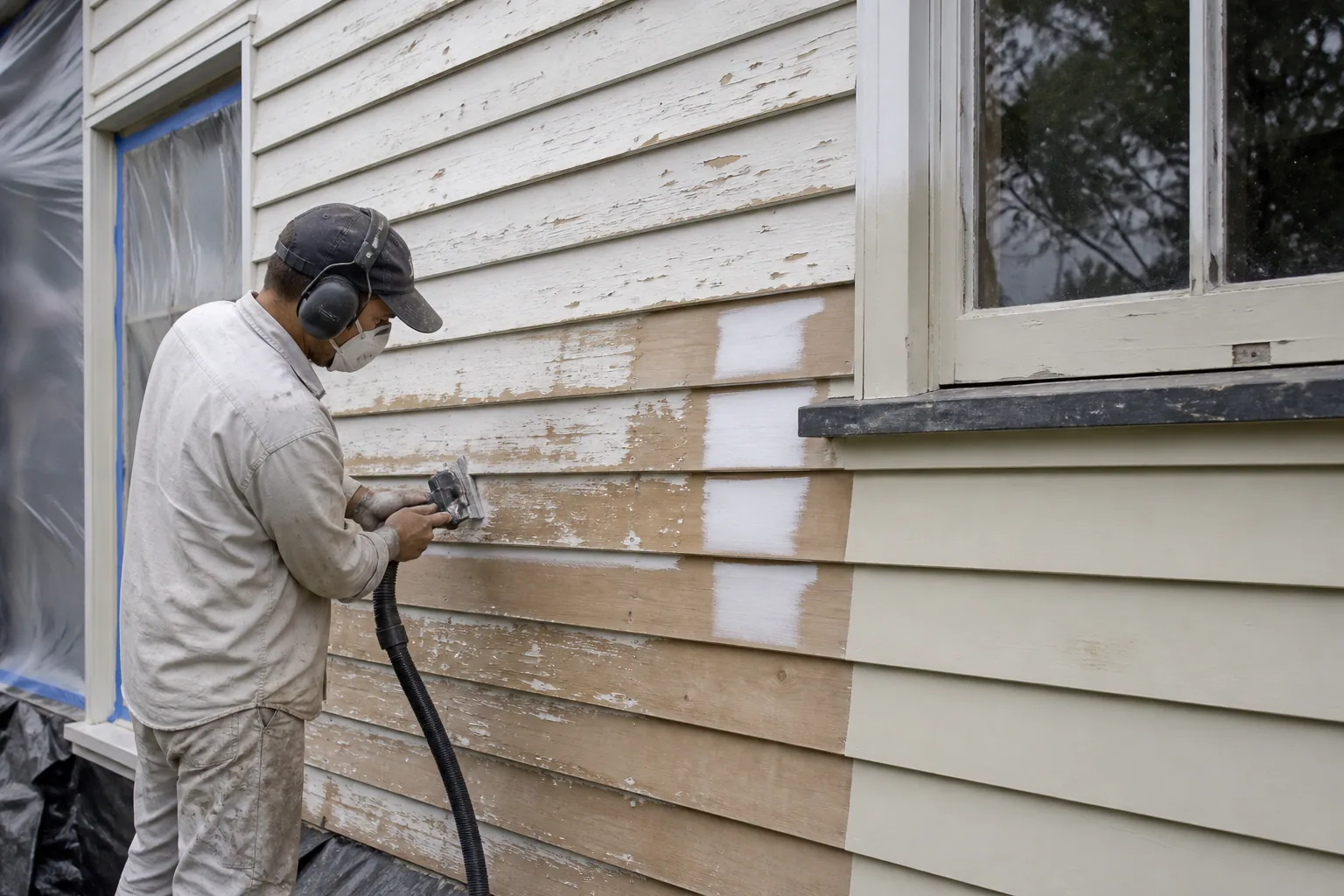
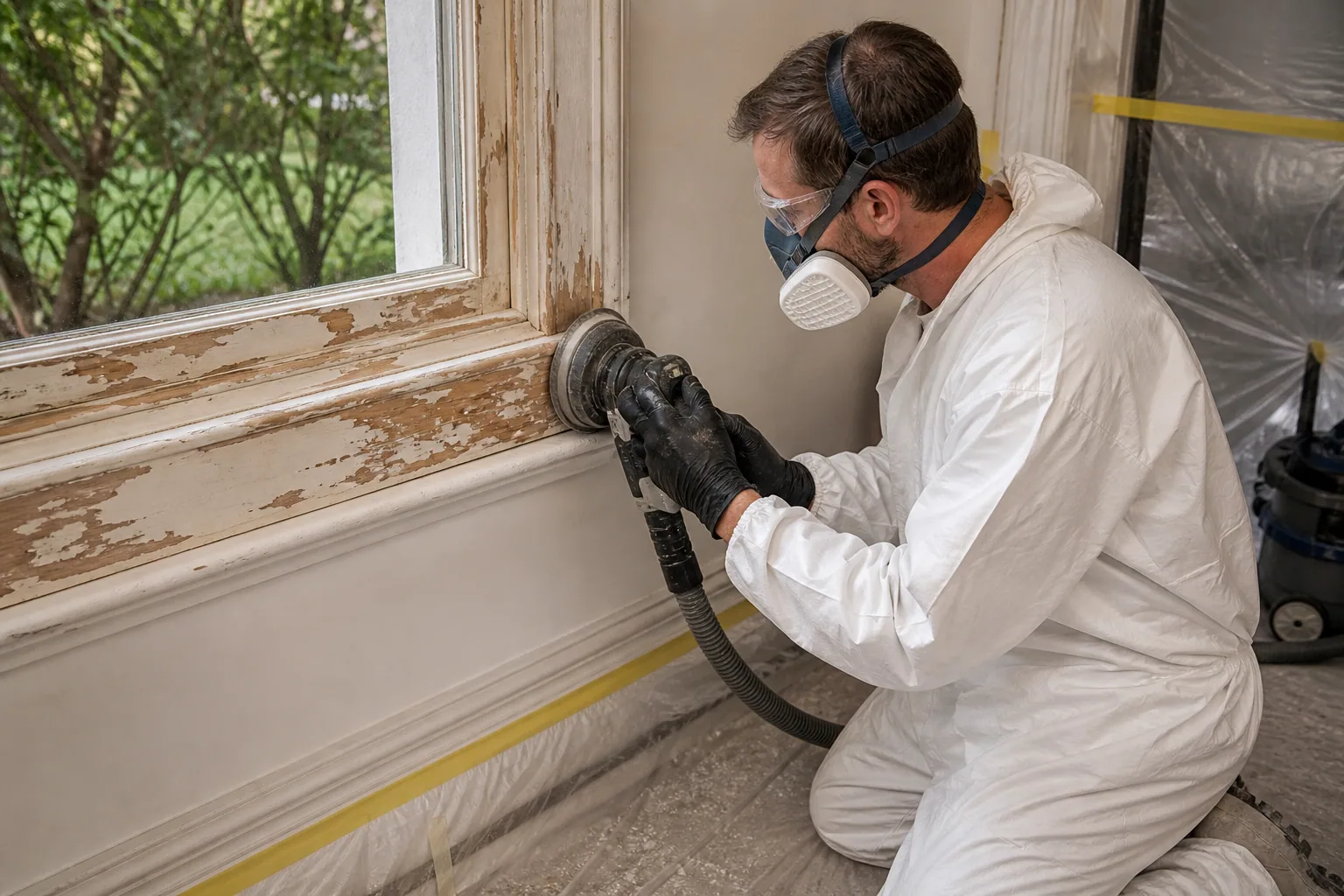
The core safety principle in preparing older paint layers is avoiding methods that generate fine airborne dust, which is why wet sanding is generally preferred over dry sanding, and hand or wet methods are preferred over power sanding or grinding, particularly where lead paint may be present. Dry sanding and grinding can release fine particles into the air that are then easily inhaled or spread well beyond the immediate work area, exactly what careful preparation aims to avoid.
Chemical paint strippers and controlled heat-based methods, using appropriate low-temperature tools rather than open flame or very high heat, are other options that can reduce dust generation compared with aggressive mechanical sanding, though each comes with its own handling and ventilation considerations. The right method depends on the surface, the extent of old coating being removed, and the specific area of the home involved.
Containment and Clean-Up Practices
Sensible containment starts with sealing off the work area from the rest of the home where practical, using drop sheets that capture debris effectively rather than letting dust and paint chips scatter, and keeping household members, especially young children and pets, away from the work area while preparation is underway. Wet clean-up methods, such as wiping down with damp cloths rather than dry sweeping, help avoid resettling fine dust that a broom or dry vacuum can actually spread further.
Appropriate personal protective equipment for anyone doing the work, respirators rated for fine particulates rather than a basic dust mask, gloves, and disposable or washable protective clothing, is a standard part of careful preparation on older coatings, not an optional extra reserved for large jobs.
Disposing of Paint Waste and Debris Responsibly
Paint chips, sanding dust and used containment materials shouldn't simply go into general household rubbish or be left for stormwater and garden beds to deal with, particularly where old paint layers are involved. Local council guidance on household hazardous waste, and dedicated household chemical collection services available in many areas, are the appropriate channels for disposing of paint waste and related debris.
Keeping work areas contained and cleaning up thoroughly at the end of each day, rather than leaving debris to accumulate and spread over a longer job, makes correct disposal far more manageable and reduces the chance of contamination spreading to garden soil or areas where children play.
Questions to Ask a Painter Before Work Starts
It's entirely reasonable to ask a painter directly about their approach to lead-safe work practices on an older home, including how they plan to minimise dust generation, what containment measures they'll use, what protective equipment their team wears, and how they intend to dispose of paint waste and debris. A painter with genuine experience on older properties should be able to answer these questions specifically and confidently, rather than treating them as an unusual request.
Raising this conversation before work starts, rather than after preparation is already underway, gives everyone a clear shared understanding of how the job will be approached and avoids assumptions about a process that, on an older home, deserves more care than a straightforward repaint of a modern property.
Sources & further reading
Authoritative references for the safety, planning and product considerations discussed in this guide.
Frequently asked questions
Quick answers to follow-up questions on this topic.
Not necessarily, but homes built before the early 1970s may have lead-based paint somewhere in their older coating layers, since lead was a common paint additive in New Zealand until it was progressively phased out, so it's worth treating old paint on these properties with appropriate caution rather than assuming either way.
Dry sanding and grinding can generate fine airborne dust that's easily inhaled or spread beyond the work area, which is why wet sanding and other lower-dust methods are generally preferred for preparing old paint layers, particularly where lead paint may be present.
The age of the home is a useful first indicator, and professional test kits or laboratory testing can provide more certainty if needed, especially before significant preparation work on a pre-1970s property.
Ask specifically how they plan to minimise dust, what containment and clean-up methods they'll use, what protective equipment their team wears, and how paint waste will be disposed of, since a painter experienced with older homes should be able to answer clearly and specifically.