Interior House Painting
Interior wall, ceiling and trim painting for North Shore homes, prepped for a lasting finish.
Explore service →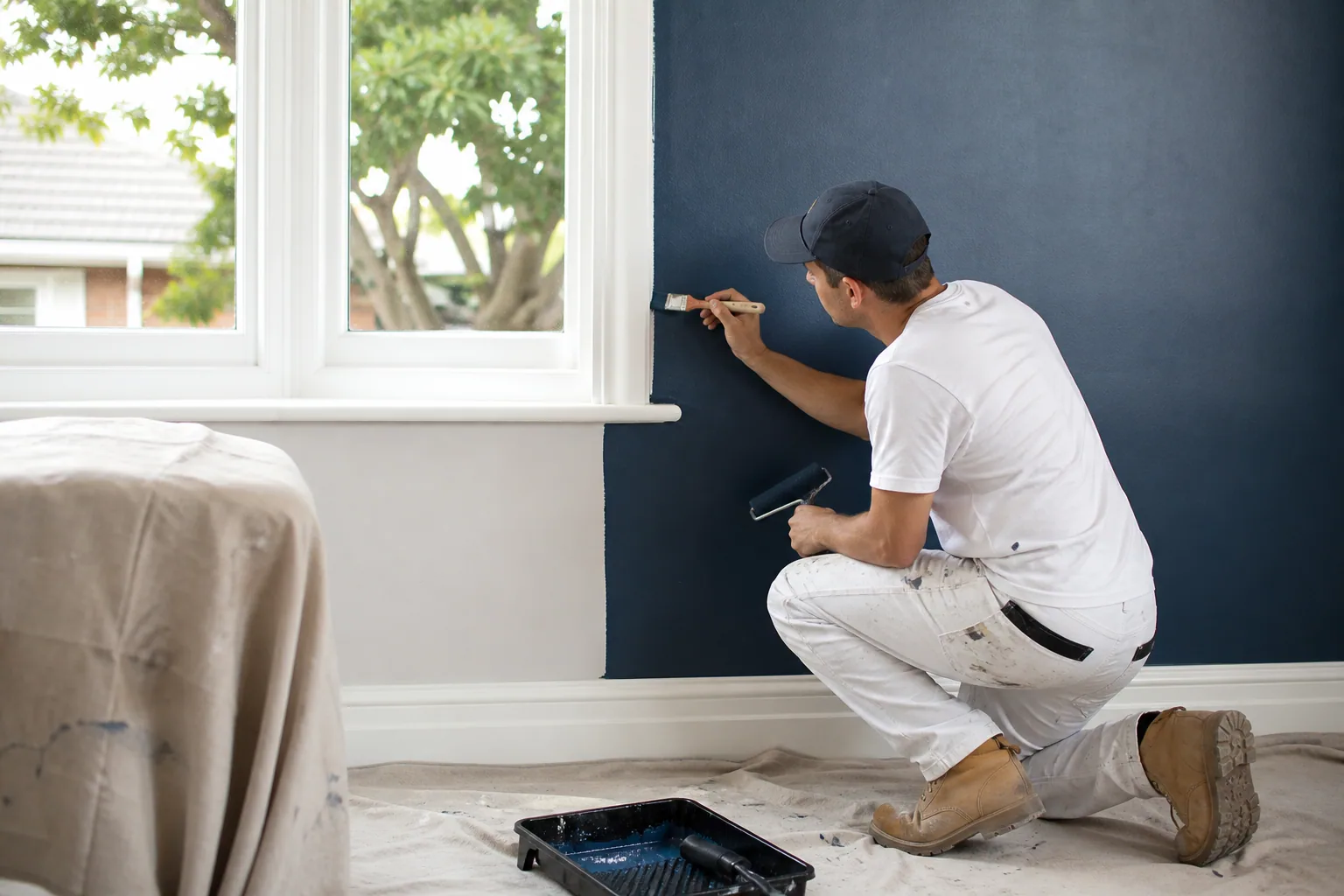
Service
Detailed painting of internal and external doors and frames for a smooth, durable, fingerprint-resistant finish.
Door Painting Specialists
For Door Painting North Shore, careful preparation, a suitable coating system and a clearly defined quotation shape the project.
A door gets handled every single day, which is exactly why chipped edges, yellowing gloss and fingerprint marks around the handle show up faster here than almost anywhere else in a home. A tired, marked door can drag down an otherwise good-looking hallway or entryway, even when the surrounding walls are in reasonable condition.
Our door painting service covers internal doors and frames, entry doors and external door frames, prepared and painted with the straight lines and smooth, brush-mark-free finish that doors demand. Because doors are handled, opened and closed constantly, the preparation and choice of finish matter more here than on a broad wall area.
Whether it's a single front door that needs to make a better first impression, or every internal door through a home that's due for a refresh, the focus is on a durable finish that copes with daily use, not just paint that looks good until the first few weeks of handling.
Who this is for: This service suits homeowners with chipped, yellowing or scuffed doors, tired entry doors that need to lift kerb appeal, timber doors showing peeling or flaking paint, and anyone wanting a smaller, standalone project between larger repaints.
A quick look at what's covered when you book this service.
We assess the doors and frames to be painted, checking material and condition before confirming the scope. This informs how much preparation each door needs and which primer and coating system will suit it best.
Door hardware is removed or carefully masked before painting begins, protecting handles, locks and hinges from drips and overspray. This preparation step is what produces clean, sharp results around fittings once the coating is complete.
Existing surfaces are cleaned and lightly sanded to remove grime and give the new coating something to grip onto. This step matters even on doors that look clean, since oils and residue can affect paint adhesion.
Dents, chips and nail holes are filled and smoothed before priming, so the finished door looks genuinely refreshed rather than patched. This attention to detail matters most on a surface handled and viewed up close daily.
An appropriate primer is chosen for bare timber, MDF or previously coated doors, since each material needs a slightly different approach to adhere properly. Matching primer to material is key to avoiding early chipping.
Two coats are applied in your chosen sheen for durable, even coverage that holds up to daily handling. This layered approach gives a smoother, more consistent finish than a single coat ever could.
If a door binds slightly after the extra thickness of new paint, we ease and adjust it so it still opens and closes properly. This final check prevents a freshly painted door from becoming a daily annoyance.
Hardware is reinstalled and we check lines and overall finish before considering the job complete. This final review confirms every door not only looks sharp but functions exactly as it should.
Here's what to expect from your first enquiry through to the final coat.
We look at the doors and frames involved, discuss colour and sheen options, and provide a written quote for the scope of work.
Hardware is removed or protected, surfaces are cleaned, sanded and filled, and adjoining areas are carefully masked.
Primer is applied where required, followed by two coats in the chosen finish, with attention to crisp cutting-in along edges and panels.
We check lines, coverage and sheen, reinstall hardware, confirm doors open and close smoothly, and address any final touch-ups.
A few of the things we weigh up when choosing the right product for this job.
Semi-gloss or gloss finishes are common for doors as they're durable and easy to wipe clean, coping with the daily handling a door receives better than a flatter sheen. This makes them a practical default for most internal and external doors.
Exterior-grade coatings suit entry doors exposed to weather, even on the face painted from inside, since the door as a whole experiences that outdoor exposure. Using an interior-only product on an entry door risks premature failure on the weather-facing side.
Enamel or trim-specific paints level out to a smoother finish than standard wall paint, reducing visible brush or roller marks on a surface viewed up close every day. This levelling quality is part of what gives doors their characteristic smooth look.
Darker colours may need extra coats or a tinted undercoat for even coverage, particularly when moving from a light existing colour to a much darker one. Planning for this upfront avoids an uneven, patchy-looking result on the finished door.
Correct primer selection matters for previously varnished or bare timber doors, since each surface type needs a different approach to adhere properly. Getting this step wrong is a common cause of early chipping around edges and panels.
A slightly tinted primer helps darker door colours achieve even coverage without needing extra topcoats, saving time while still giving a consistent, well-covered result. This is worth discussing whenever a significant colour change is planned for a door.
What to expect in terms of timing and access while the work is underway.
Door painting is usually a contained job, but affected doors may need to stay open or be temporarily removed while paint dries, and there can be a short period where certain doors can't be locked or latched normally if hardware has been removed.
A few reasons homeowners and property managers choose not to DIY this job.
Gloss doors show every brush mark and roller stipple more obviously than a flat wall, so getting a smooth result takes the right technique and enough thin coats. We aim for a finish that looks genuinely professional up close.
Multiple doors through a home need matching sheen and colour, or differences become obvious once you compare them side by side down a hallway. We keep application consistent across every door so the whole home reads as one cohesive job.
Timber, MDF and previously coated doors all need different preparation to take paint properly and resist chipping around handles and edges. We match our approach to the door's material, rather than treating every surface the same way.
Removing a door, adjusting hinges and reinstalling hardware needs care, or the door can end up sticking, rubbing or sitting slightly off afterwards. We handle this process properly so every door still opens and closes exactly as it should.
Straight, clean lines where a door meets its frame and surrounding architrave make a real difference to how finished the job looks. Careful masking and a steady cutting-in technique are what produce that sharp result.
A single front door is just as valid a job as repainting every internal door through a home. We take on standalone door projects with the same care and preparation as part of a larger repaint.
Straight answers to the questions we're asked most often about door painting.
Yes, a single door is a common standalone job, and it's a straightforward way to lift kerb appeal without committing to a wider repaint.
High-touch areas around handles and edges wear faster due to repeated contact, and if the underlying primer or preparation wasn't ideal, chipping can start sooner. Proper sanding and priming helps the finish hold up longer in these spots.
Semi-gloss and gloss finishes are popular because they're durable and easy to wipe down, though satin can also work well if you want a softer look with less shine.
Not always - many doors can be painted in place, though removing a door can make it easier to get full, even coverage on the edges. We'll recommend the best approach once we've seen the door.
Yes, if you can provide the colour details or a sample, we can match new and existing doors closely so they sit together well.
Other services North Shore properties often combine with this one.
Interior wall, ceiling and trim painting for North Shore homes, prepped for a lasting finish.
Explore service →Careful painting of timber window frames, sashes and reveals so they seal properly and look sharp inside and out.
Explore service →Crisp, durable painting of skirting boards, architraves, cornices and dado rails for a finished, polished look.
Explore service →Professional guidance on choosing colours suited to your home's style, light and setting before painting begins.
Explore service →A sample of the suburbs where we take on this kind of work.
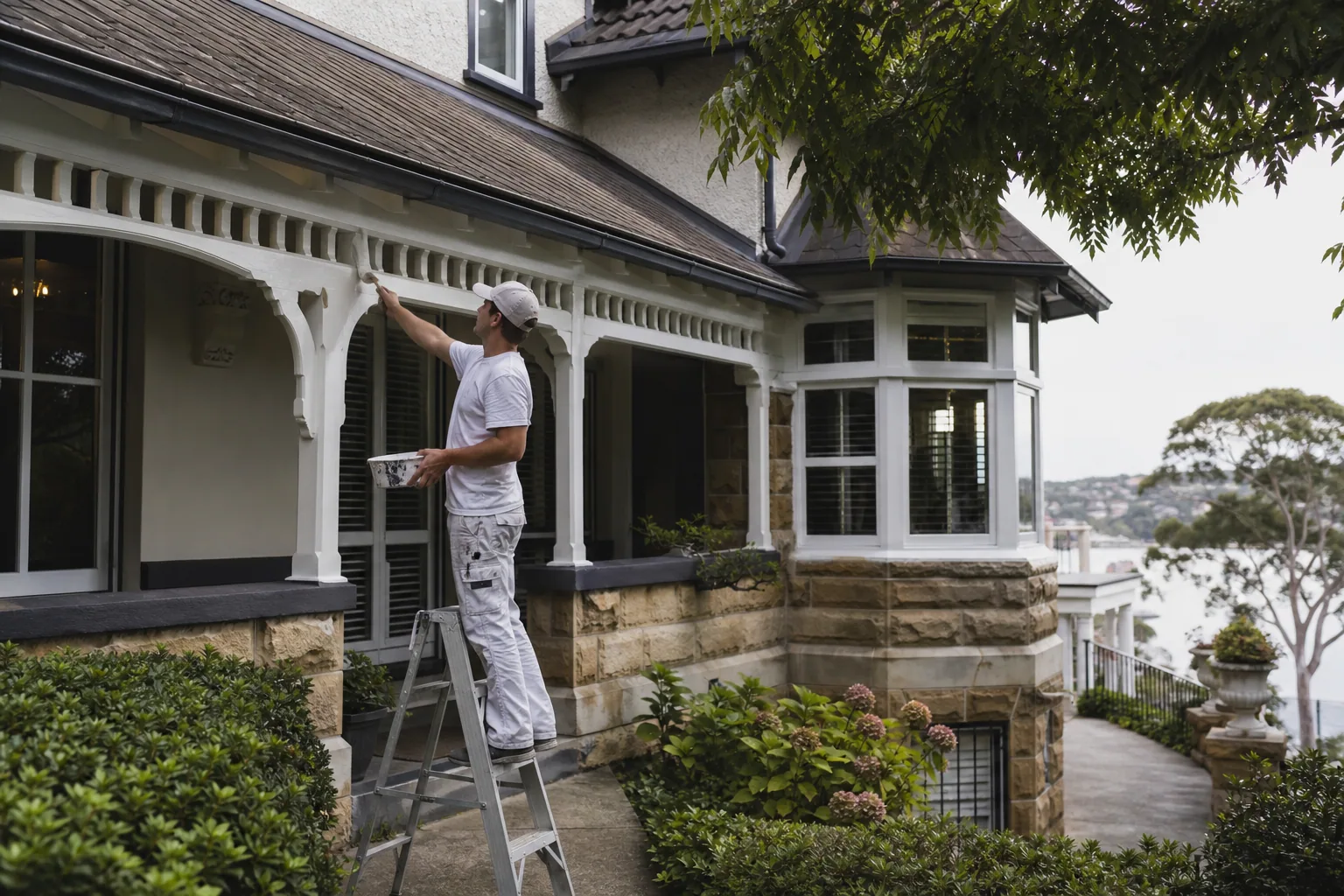
Devonport is one of Auckland's best-preserved heritage suburbs, with streets of Victorian and Edwardian villas…
Painters in Devonport →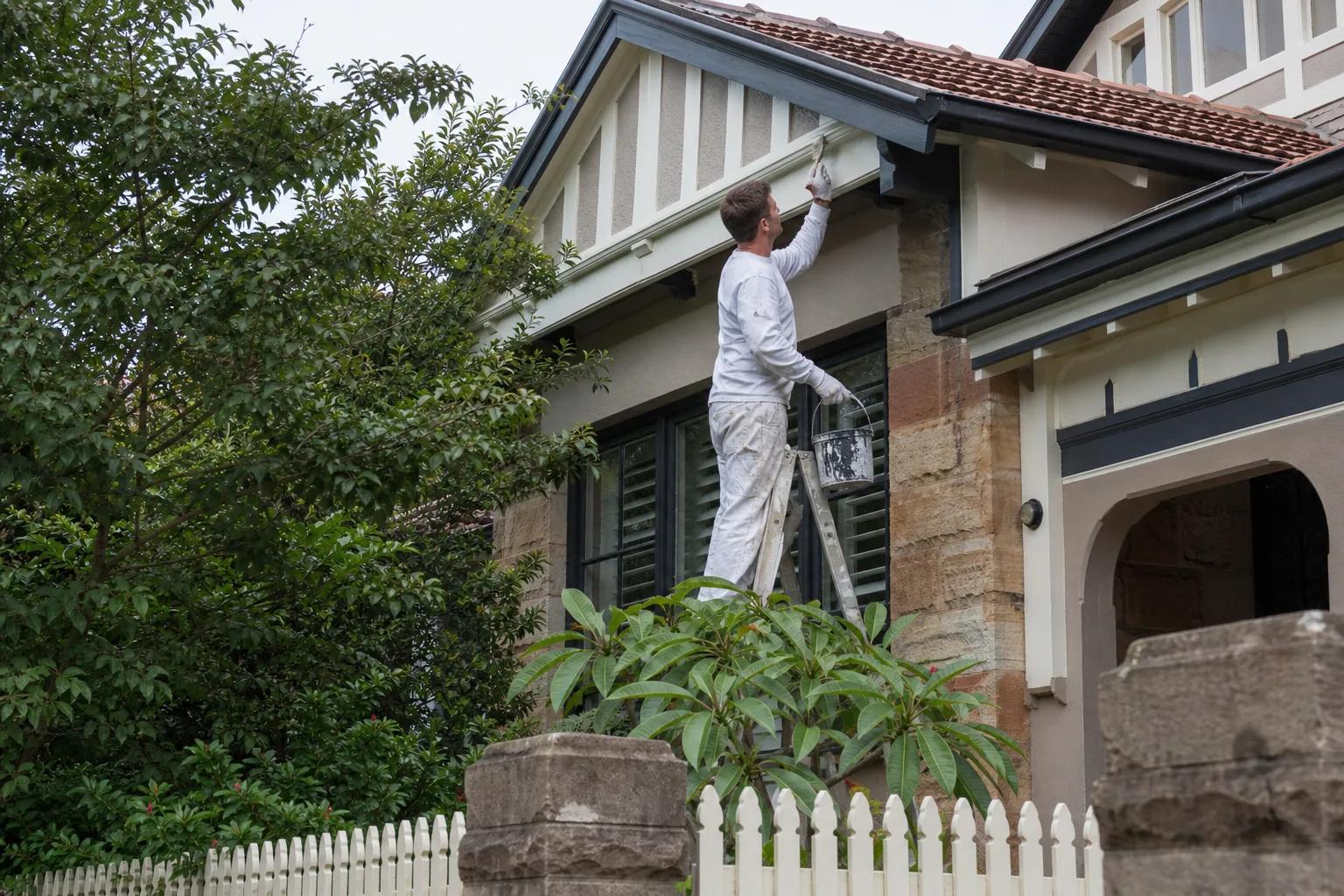
Birkenhead is a well-established, leafy suburb on the western side of the North Shore, known for its character…
Painters in Birkenhead →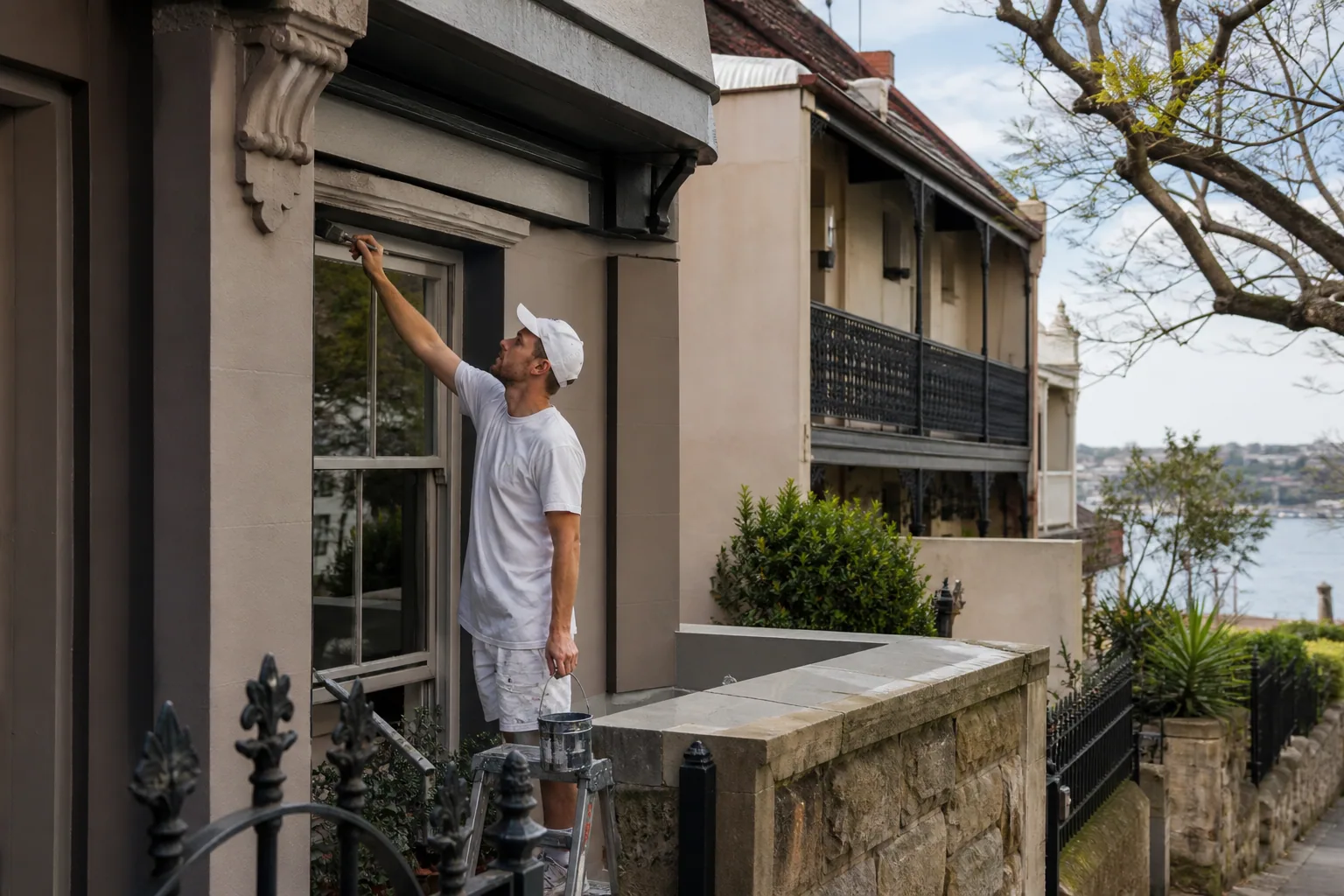
Northcote Point is a small, tightly held heritage pocket on a peninsula jutting into the Waitemata Harbour, ri…
Painters in Northcote Point →Whether it's a single room or a full property, we bring the same careful preparation to every door painting job.
Get in touch today for a free, no-obligation quote — we're happy to talk through the scope before you commit to anything.