Interior House Painting
Interior wall, ceiling and trim painting for North Shore homes, prepped for a lasting finish.
Explore service →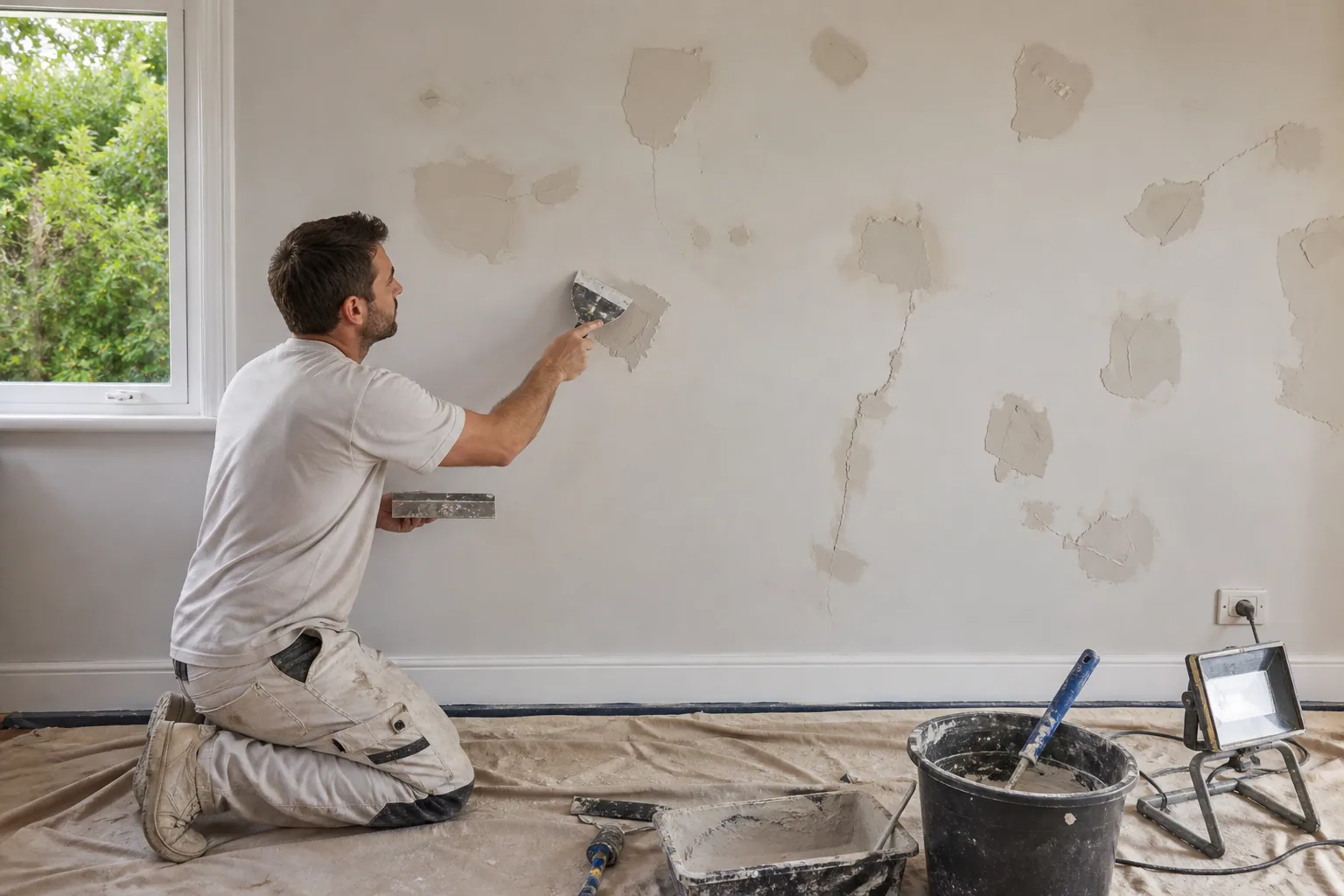
Service
Filling nail holes, dents and small surface damage so walls and ceilings are smooth and ready for paint.
Patching Specialists
For Patching North Shore, careful preparation, a suitable coating system and a clearly defined quotation shape the project.
Nail holes from old picture hooks, dents from moved furniture, and small marks from years of everyday living all accumulate on walls and ceilings over time. Unlike a structural crack repair, patching is usually about a scatter of small, separate marks across a surface rather than one larger repair.
Getting every mark filled and sanded flush matters more than it might seem, since paint - especially satin or gloss - reveals texture that would otherwise go unnoticed. Patching covers holes, dents and small surface damage so a wall or ceiling is genuinely smooth before the topcoat goes on.
This work is usually carried out as preparation ahead of a repaint, whether that's a single wall with a handful of marks, a full room, or a property being turned over between tenancies.
Who this is for: This service suits homeowners with a scatter of nail holes, dents and small marks ahead of a repaint, anyone taking down shelving, mirrors or wall-mounted fixtures before painting, landlords and property managers preparing a property between tenancies, and renovators tidying up walls after other trades have finished.
A quick look at what's covered when you book this service.
We inspect walls and ceilings for nail holes, dents and small damage before starting, catching marks that are easy to overlook. This thorough first pass is what prevents surprises once painting is underway.
Holes and dents are filled with an appropriate compound matched to the size and depth of each mark. Using the right product for each type of damage is what gives a genuinely smooth result.
Filled areas are sanded flush with the surrounding surface, so patches don't read as raised or uneven spots once painted. This flush finish is essential for repairs to disappear under the topcoat.
Patched sections receive spot priming before the main topcoat, helping them take paint the same way as the rest of the wall. This step prevents patches from flashing through under certain light.
Corners and high-traffic areas prone to scuffing receive particular attention, since these spots pick up damage faster than the rest of a wall. Addressing them properly helps the repair hold up longer.
A final walk-through catches any marks missed on first inspection, ensuring nothing gets left unpatched before painting begins. This second pass is what makes the difference between a thorough job and a rushed one.
Any damage beyond simple patching is identified and flagged, rather than treated the same as a minor nail hole. We let you know if something needs a different repair approach before proceeding.
All patched surfaces are handed over genuinely ready for paint, with every mark addressed and sanded smooth. This final standard is what your painter, or you, can rely on before the topcoat goes on.
Here's what to expect from your first enquiry through to the final coat.
We assess the extent of holes, dents and marks across the relevant walls and ceilings and provide a written quote for the work involved.
Holes and dents are filled with an appropriate compound matched to the size and depth of each mark.
Once dry, patched areas are sanded flush and spot-primed so they don't show through the new paintwork.
We walk through to catch any marks missed on first inspection, then proceed to painting or hand the surface back to you ready for your own painter.
A few of the things we weigh up when choosing the right product for this job.
Spot priming patched areas helps prevent them flashing through the topcoat, which is a common sign of a rushed patch job. This step is what makes a repair genuinely disappear once the final coat is applied.
Flatter, low-sheen finishes disguise a high volume of small patches better than gloss, which highlights every minor variation across a wall. This makes lower sheens a sensible default for walls with many scattered marks to address.
A full coat over heavily patched walls usually gives a more even result than isolated touch-ups, since patches applied at different times can dry to slightly different tones. One consistent coat avoids this patchwork appearance.
Quick-drying fillers suit small jobs with a tight turnaround between tenancies, letting patching, sanding and priming happen without adding unnecessary days to the schedule. This matters most for rental properties working to a fixed handover date.
Colour-matched primer can help patches blend in if only touching up rather than repainting a full wall, reducing how visible the patch is even before the topcoat goes on. This is a useful option when a full repaint isn't planned.
Testing filler on a small, hidden area first helps confirm it matches the surrounding wall's texture once dry, before committing to a visible repair. This quick check avoids an obvious mismatch on a wall that otherwise looks fine.
What to expect in terms of timing and access while the work is underway.
Patching is generally a low-mess, quick job compared to structural plaster repair, though drying time for filler is still needed before sanding and priming can begin.
A few reasons homeowners and property managers choose not to DIY this job.
A missed nail hole or dent has a way of becoming obvious the moment paint goes over it. We inspect walls and ceilings properly before starting, catching the marks that are easy to overlook until they're already covered in a fresh coat.
Patches that aren't sanded properly flush with the surrounding surface tend to flash through paint under certain light. We take the time to get every patch level with the wall, so the repair genuinely disappears once painted over.
A tiny nail hole and a larger dent don't need the same filling approach, and using the wrong compound or technique can leave an uneven result. We match our method to the size and depth of each mark individually.
A scatter of small marks across multiple rooms can add up to a lot of individual repairs. We work through a high volume of patching efficiently without skipping steps, so quantity doesn't come at the cost of quality.
Patches need proper drying time and spot priming before painting proceeds, or they can take paint differently to the surrounding wall. We build this sequencing into the schedule so the finished result looks even and consistent.
Patching is usually one of the faster preparation stages, which matters when there's a tight window between a tenant moving out and new paint going on. We work efficiently without cutting the quality of the repair itself.
Straight answers to the questions we're asked most often about patching.
Yes, unfilled holes and dents tend to catch shadows and show through paint, particularly under natural or raking light, so it's worth having them patched before repainting.
Yes, patching a scatter of small marks is generally quicker than repairing structural cracks, since it's mostly filling, sanding and spot priming rather than diagnosing and repairing damage.
Patching covers small, separate marks like nail holes and dents, while a plaster crack repair addresses cracking within the plaster or plasterboard itself, which can involve a different repair approach.
Patching is usually one of the quicker preparation stages, and we can talk through a realistic timeframe based on the extent of marks and your turnaround window between tenancies.
Yes, ceilings can pick up their own marks and small damage over time, and patching them is included as part of this service where needed.
Other services North Shore properties often combine with this one.
Interior wall, ceiling and trim painting for North Shore homes, prepped for a lasting finish.
Explore service →Interior painting for individual North Shore apartments and units, planned around building access and tenancy dates.
Explore service →Repairing cracked, damaged or water-stained plaster so walls and ceilings are sound before painting.
Explore service →Filling gaps around cornices, skirting and architraves so trim lines sit flush and clean before painting.
Explore service →A sample of the suburbs where we take on this kind of work.
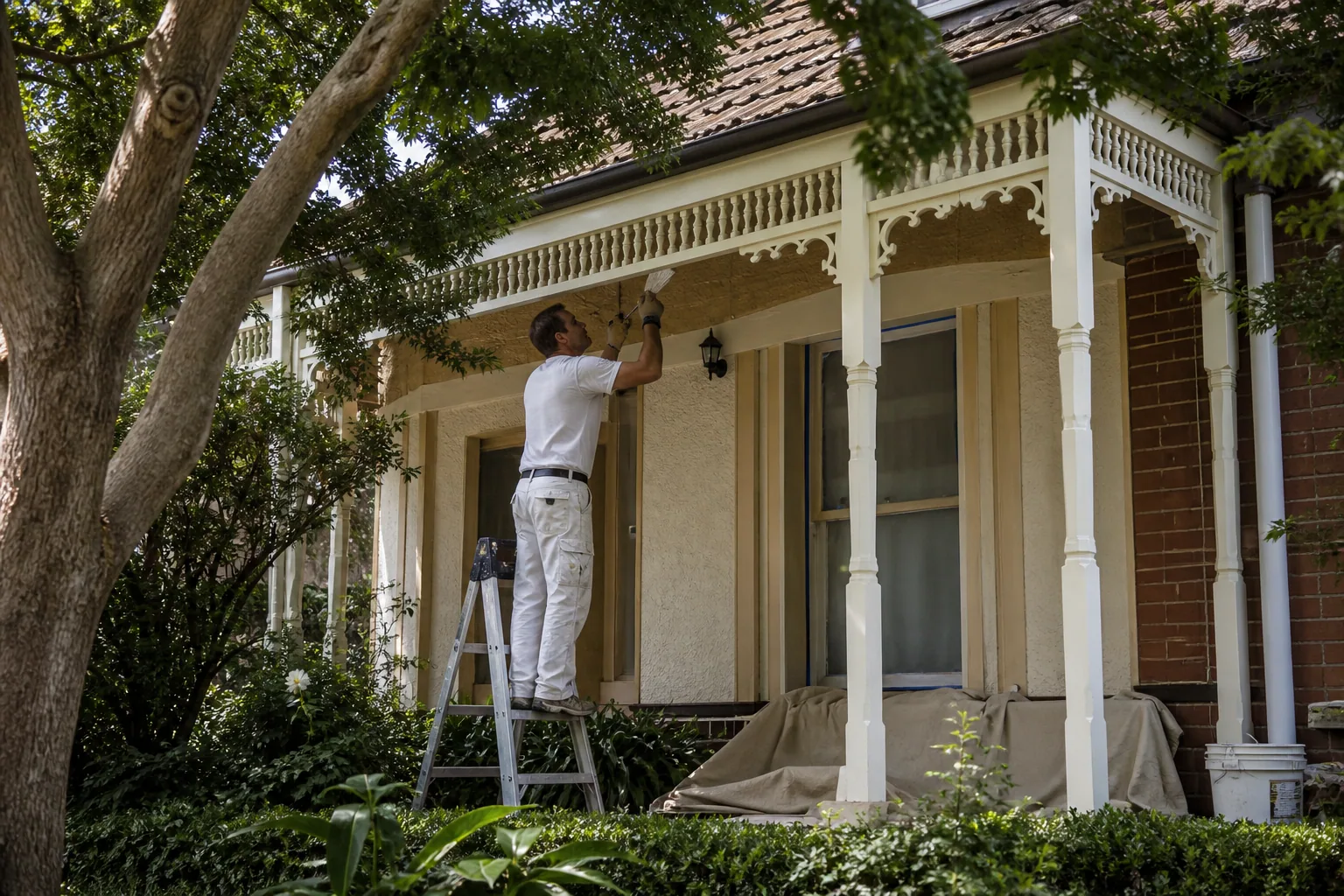
Glenfield is an established inland suburb built up mainly from the 1960s through the 1980s, with a genuine mix…
Painters in Glenfield →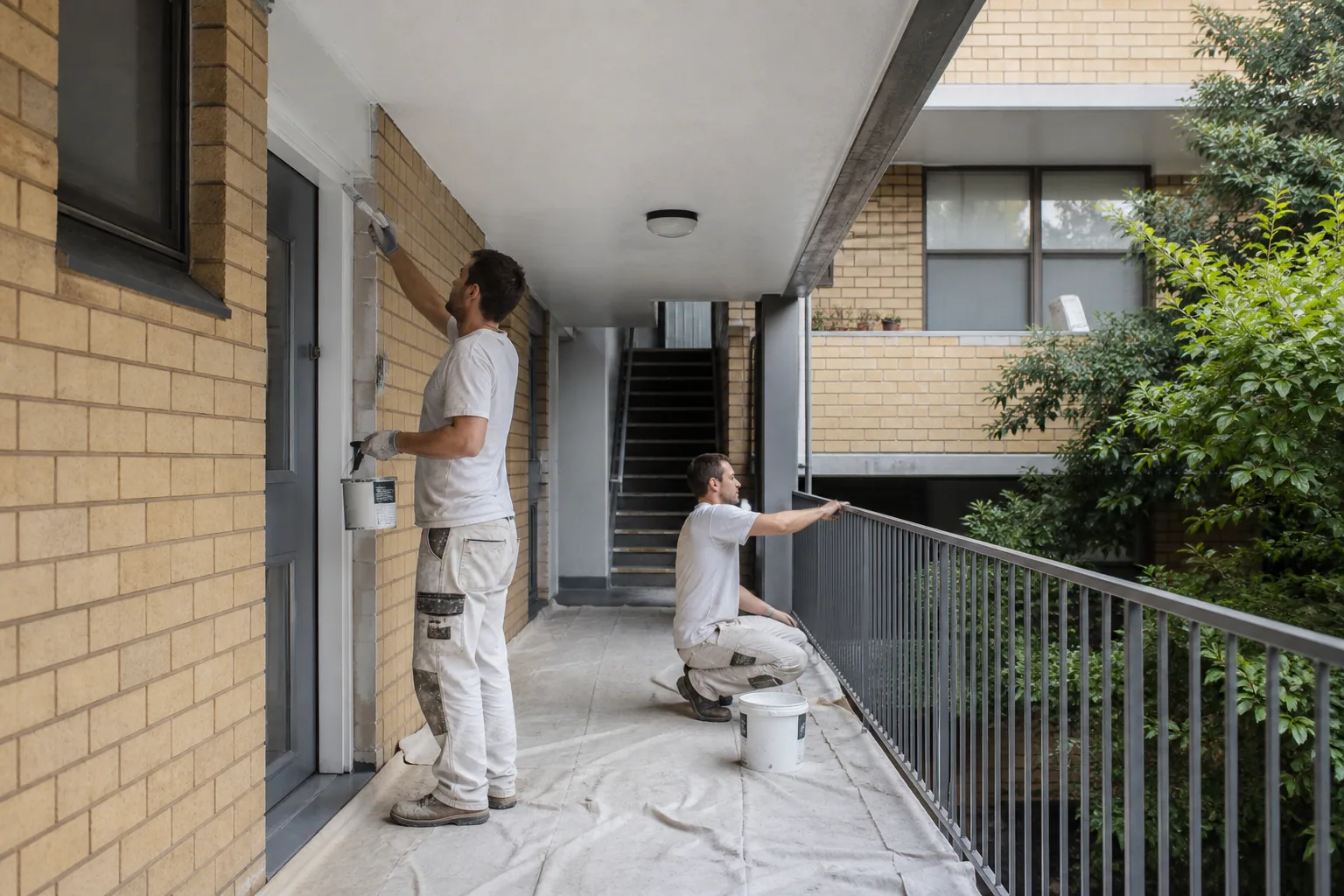
Beach Haven sits on the western side of the North Shore facing Auckland's upper harbour, with a foreshore rese…
Painters in Beach Haven →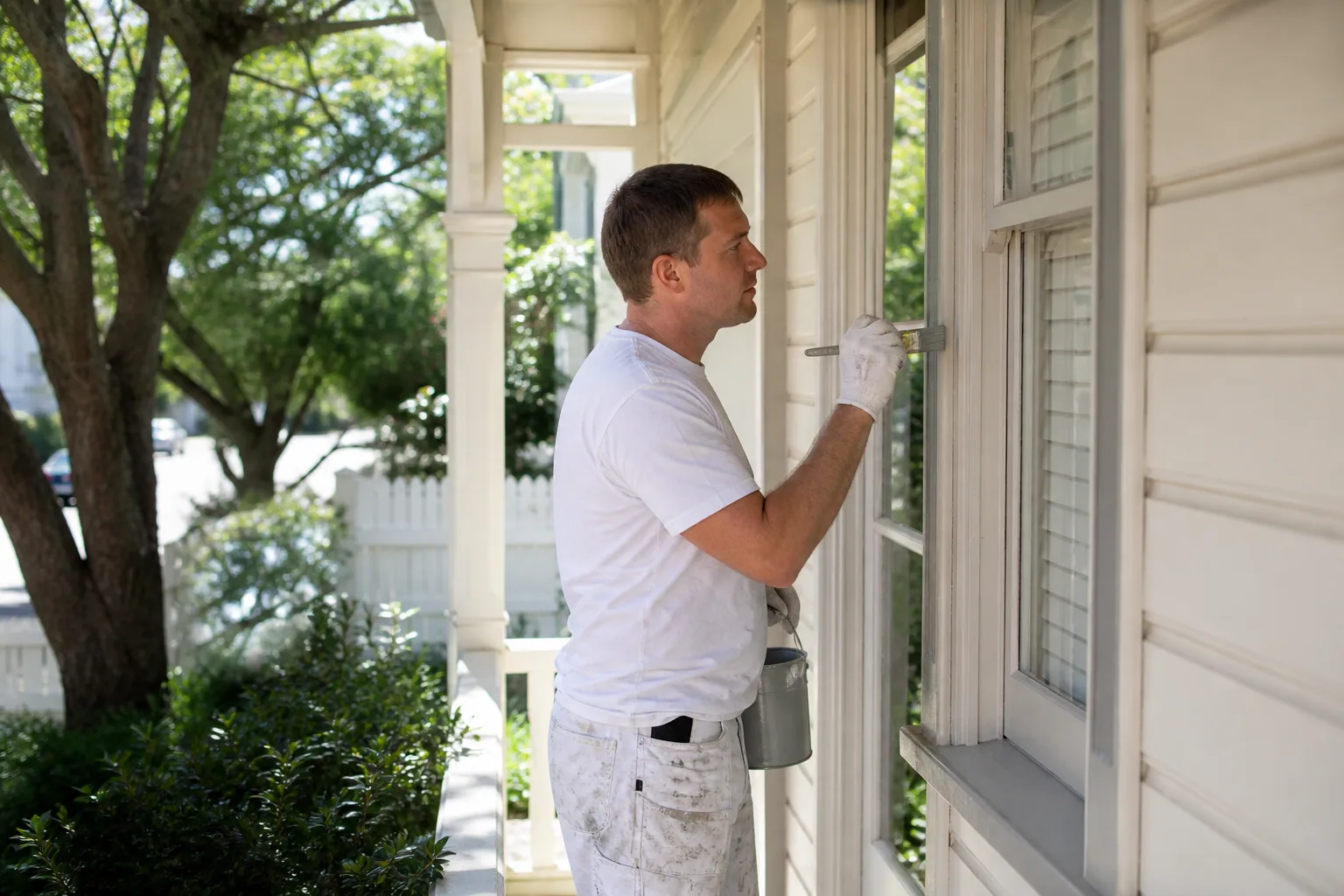
Hillcrest is a small, low-key residential suburb between Glenfield and Sunnynook, made up mostly of family hom…
Painters in Hillcrest →Whether it's a single room or a full property, we bring the same careful preparation to every patching job.
Get in touch today for a free, no-obligation quote — we're happy to talk through the scope before you commit to anything.