Resource guide — Updated 10 August 2026
Interior Painting Cost Factors
The room-by-room details, from layout to trim, that actually shape an interior quote.
Interior Quote Factors
Painting Cost Factors: Interiors
Understanding Interior Painting Cost Factors starts with room condition, preparation, access and the finish you want to achieve.
Number, Size and Shape of Rooms
More rooms generally means more total surface area, but shape and layout matter just as much as square metreage. Open-plan living areas with high ceilings can actually take more paint and labour than several smaller, simpler rooms combined, because of the extra height and the amount of cutting-in required around openings.
Hallways and stairwells are notoriously time-consuming for painters, thanks to their height, narrow width and the need for careful ladder or trestle work, so they often take longer per square metre than a straightforward bedroom.
Wall and Ceiling Condition
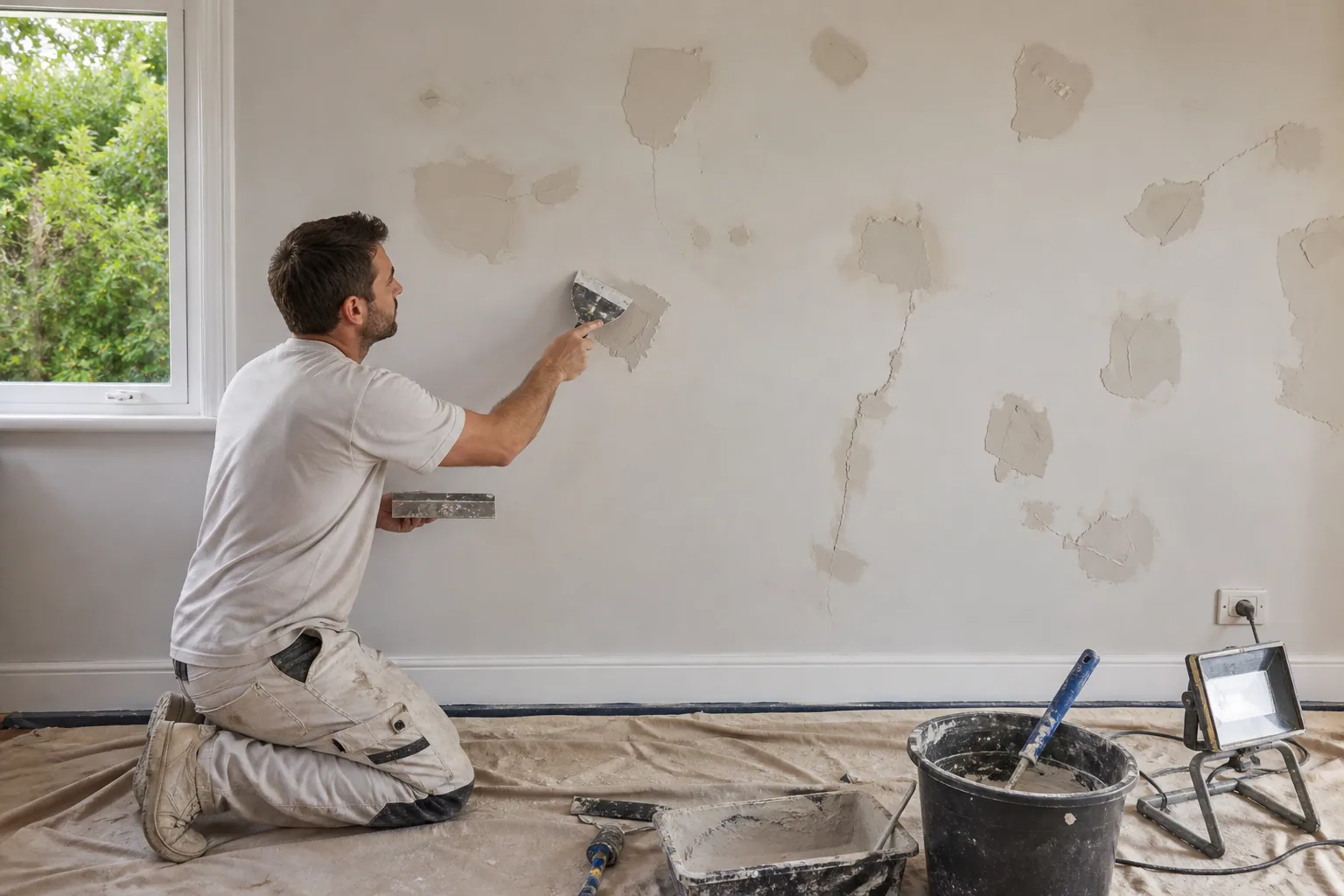
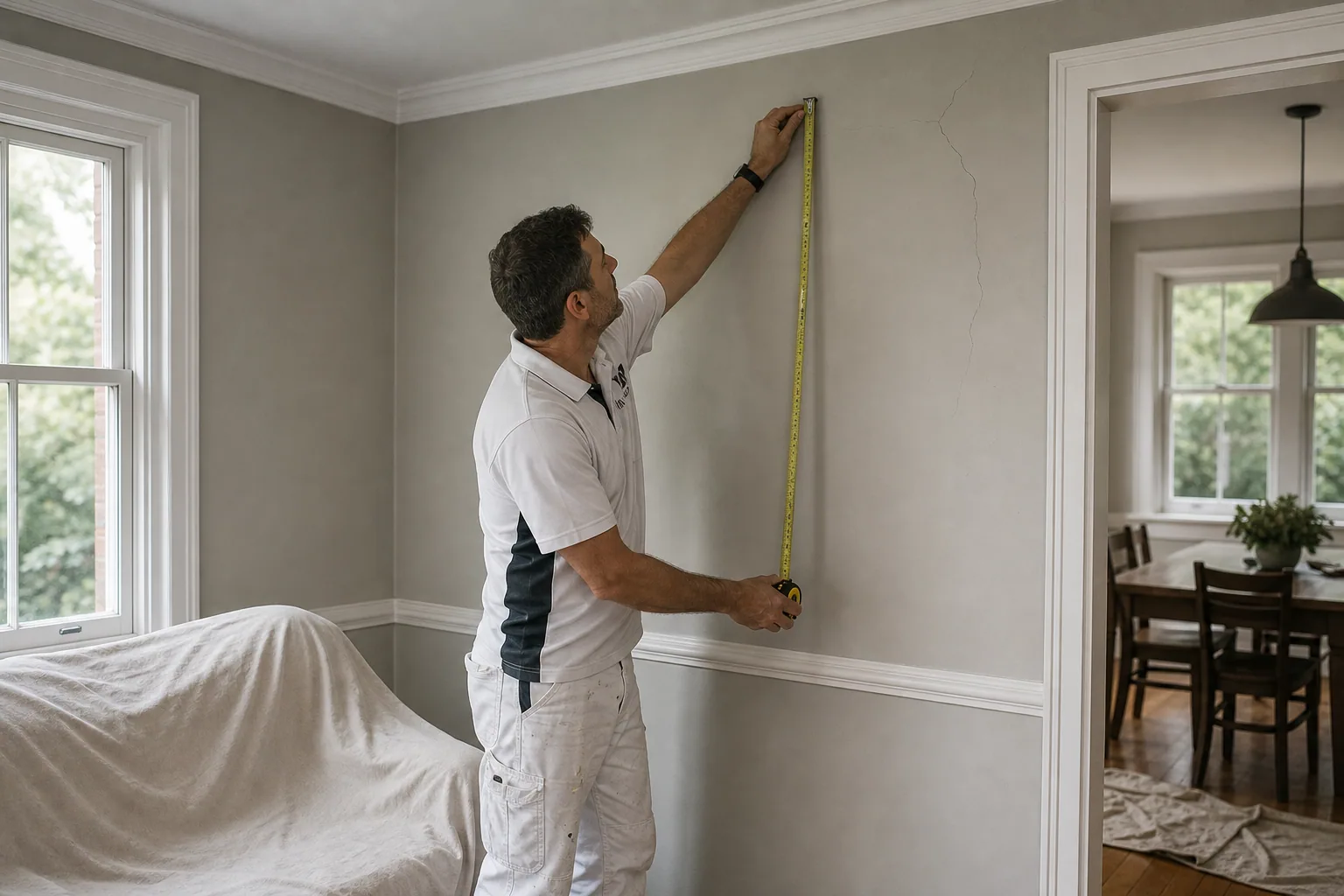
Nail holes, hairline cracks, old wallpaper, water stains and uneven texture from a previous DIY job all add preparation time before painting can start. Plaster patching, sanding, and stain-blocking primer for water marks, smoke damage or old repairs are common extra steps that a straightforward, freshly plastered wall simply doesn't need.
Textured or popcorn ceilings, and ceilings with existing damage, may also require specific handling that adds time compared with a smooth, sound ceiling in good condition.
Trim, Doors, Windows and Feature Walls
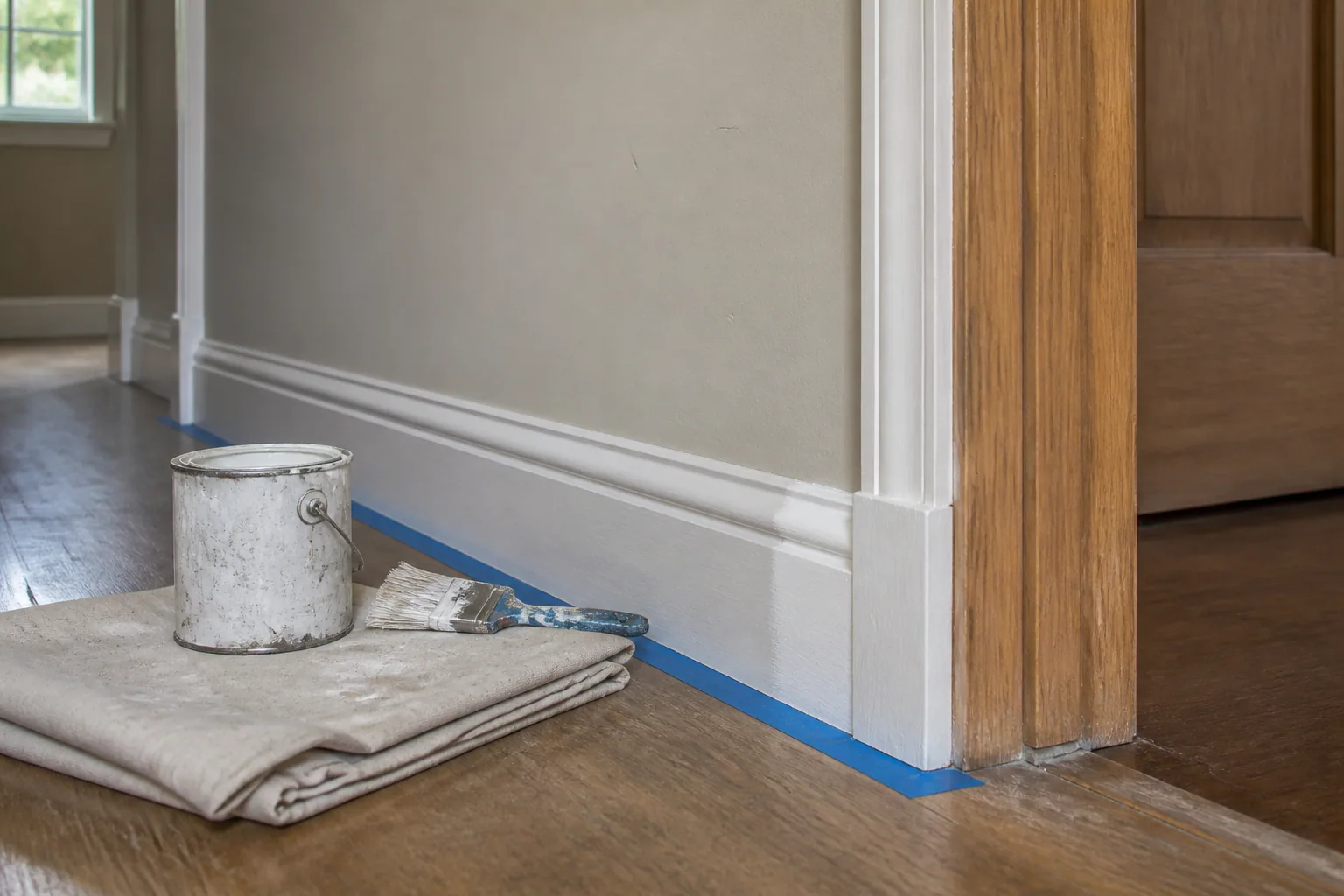
Skirting boards, architraves, doors and window frames are usually painted in a different finish to the walls, such as satin or semi-gloss, which means additional masking, more careful cutting-in, and more time overall compared with rolling a plain wall. A room with a lot of joinery and trim detail will always take longer than one with minimal woodwork.
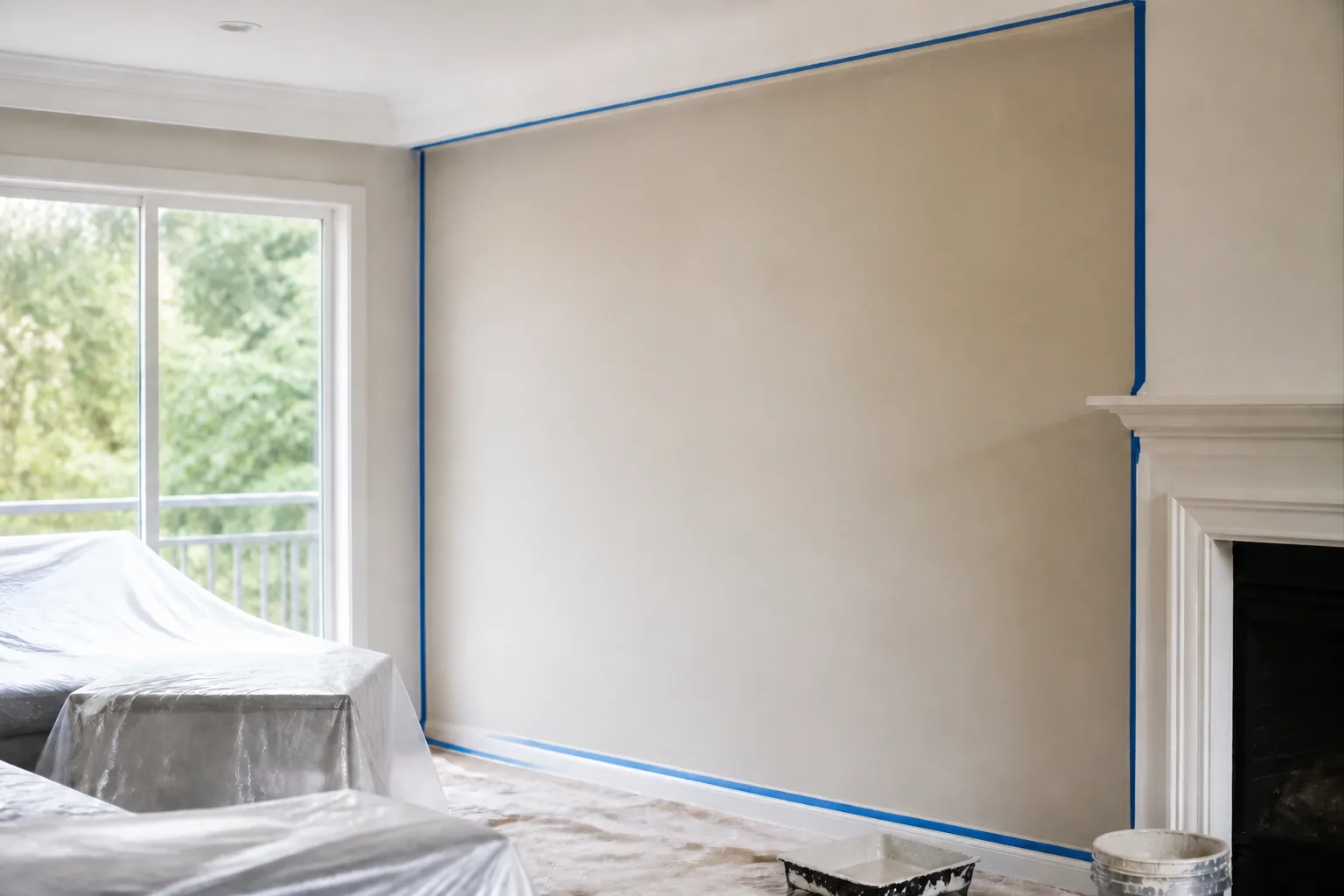
Feature walls with bold colours, textured finishes or decorative techniques add further complexity, since they typically require careful masking of adjoining walls and sometimes a different application method altogether.
Paint Finish and Quality Tier
The choice between low-sheen, satin, semi-gloss and various quality tiers affects material cost, but it can also affect how many coats are needed for even coverage, particularly with a significant colour change. Washable, low-VOC formulations commonly used in kitchens and bathrooms sit at a different price point again, and are worth discussing if those rooms are part of the job.
Furniture, Access and Occupied-Home Logistics
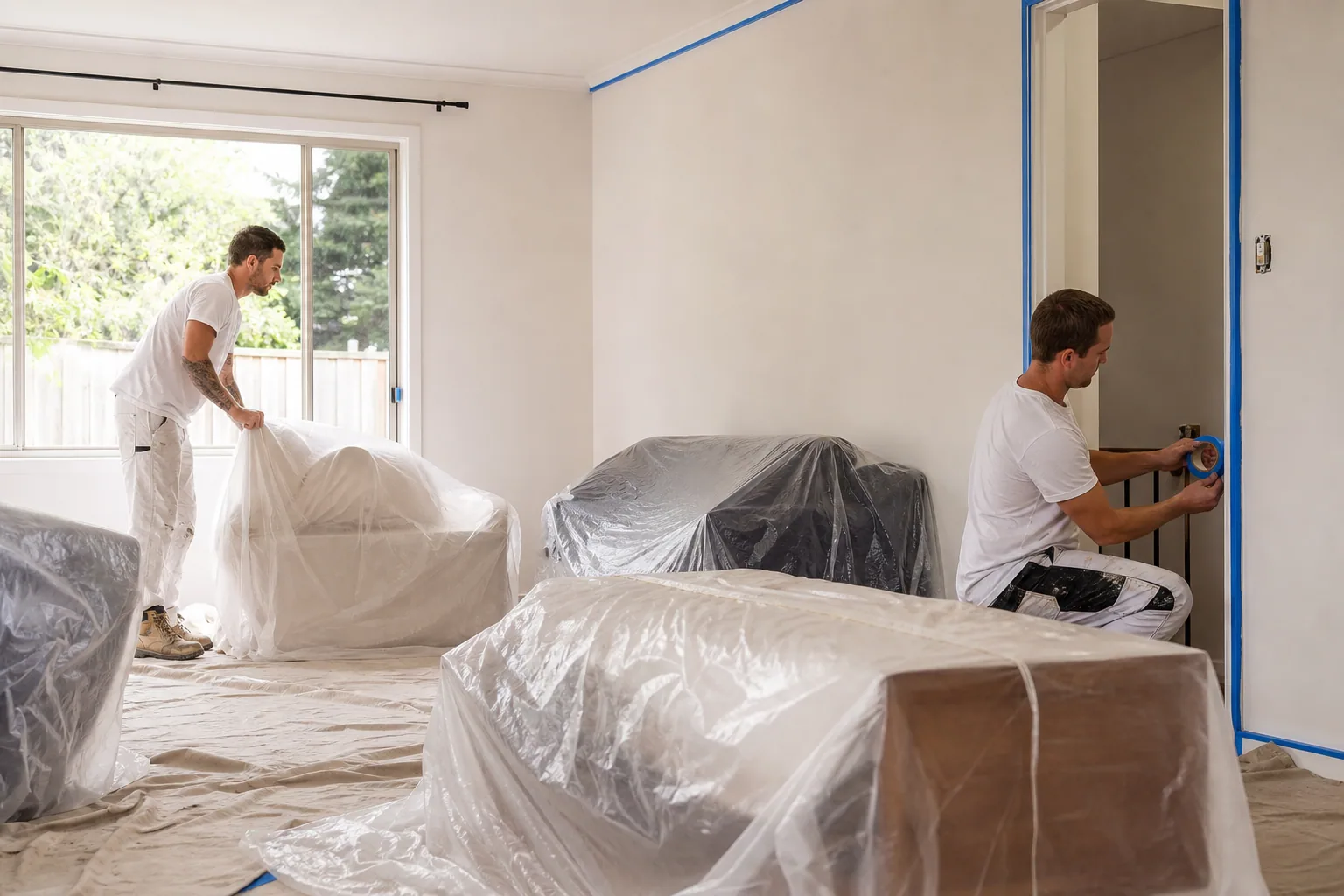
Whether the home is furnished and lived in, versus vacant, changes how a job is run. Furnished, occupied homes usually need furniture moved and protected, and rooms are often tackled one at a time so the household can keep functioning, which naturally takes longer than painting an empty property from wall to wall without interruption.
Sources & further reading
Authoritative references for the safety, planning and product considerations discussed in this guide.
Frequently asked questions
Quick answers to follow-up questions on this topic.
Not entirely. Most painters will move larger furniture to the centre of the room and cover it with drop sheets, but clearing smaller items, wall art, and valuables yourself beforehand speeds up the job and helps protect your belongings.
Two coats is standard for a full colour change or a fresh finish, since it gives even coverage and a consistent sheen. A like-for-like colour touch-up over sound existing paint may only need one coat, while a dramatic change, such as dark over light, sometimes needs an extra coat or a tinted primer.
Often, per square metre, yes. Ceiling work involves overhead application, ladder or platform use, and a flat finish that shows every roller mark clearly, so the labour involved can be higher even though ceiling paint itself is a straightforward product to apply.
Yes, single-room and feature-area jobs are common. It's worth discussing colour-matching to adjoining rooms and how the job will affect shared trim or ceilings so the finished result sits well with the rest of the home.