Resource guide — Updated 10 August 2026
Exterior Painting Costs & Preparation
Why exterior quotes hinge on substrate, condition and access, not square metres.
Exterior Repainting Costs
Exterior Painting Preparation & Costs
This guide to Exterior Painting Costs & Preparation shows why surface condition and access matter as much as the area being painted.
The Substrate Matters More Than You'd Think
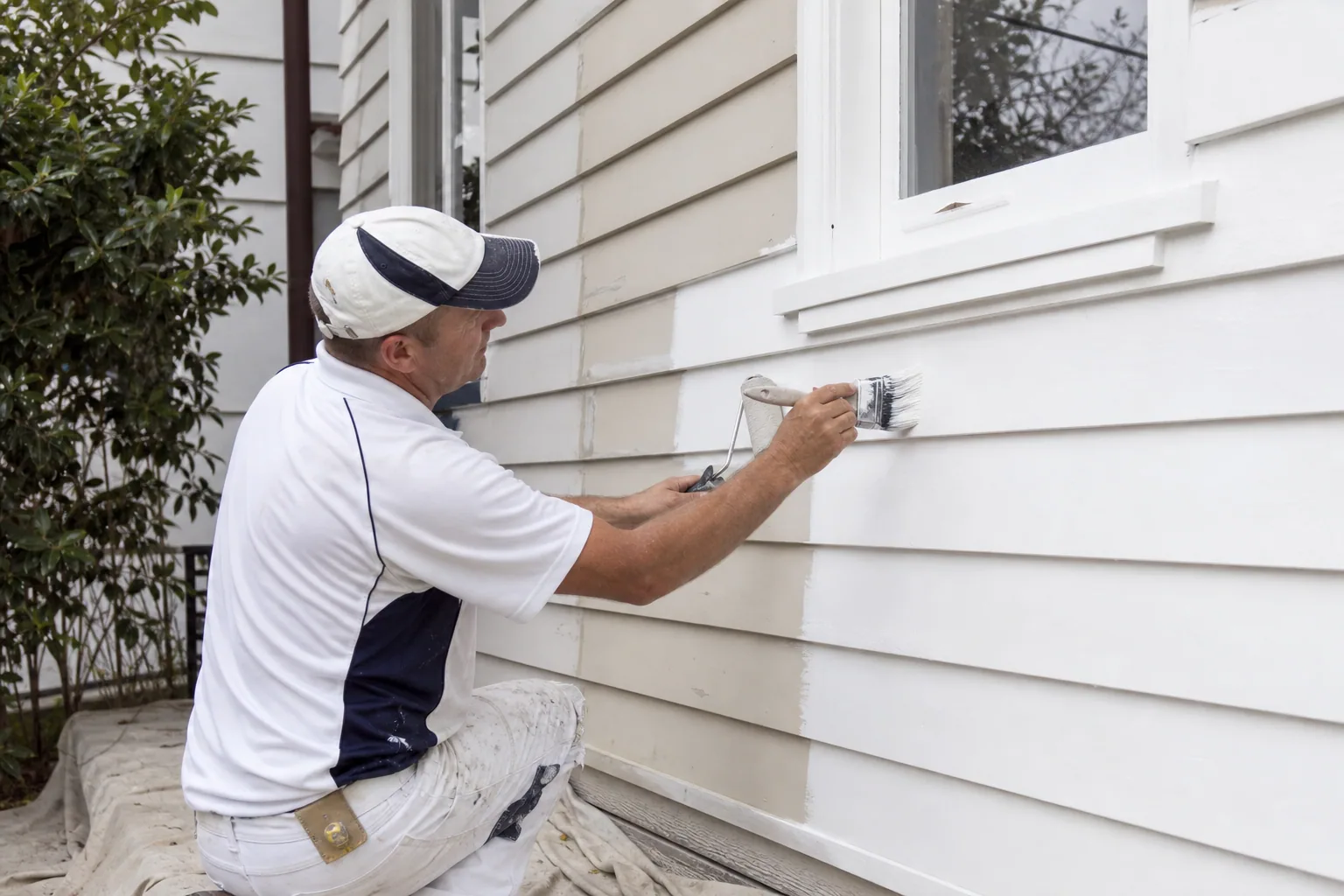
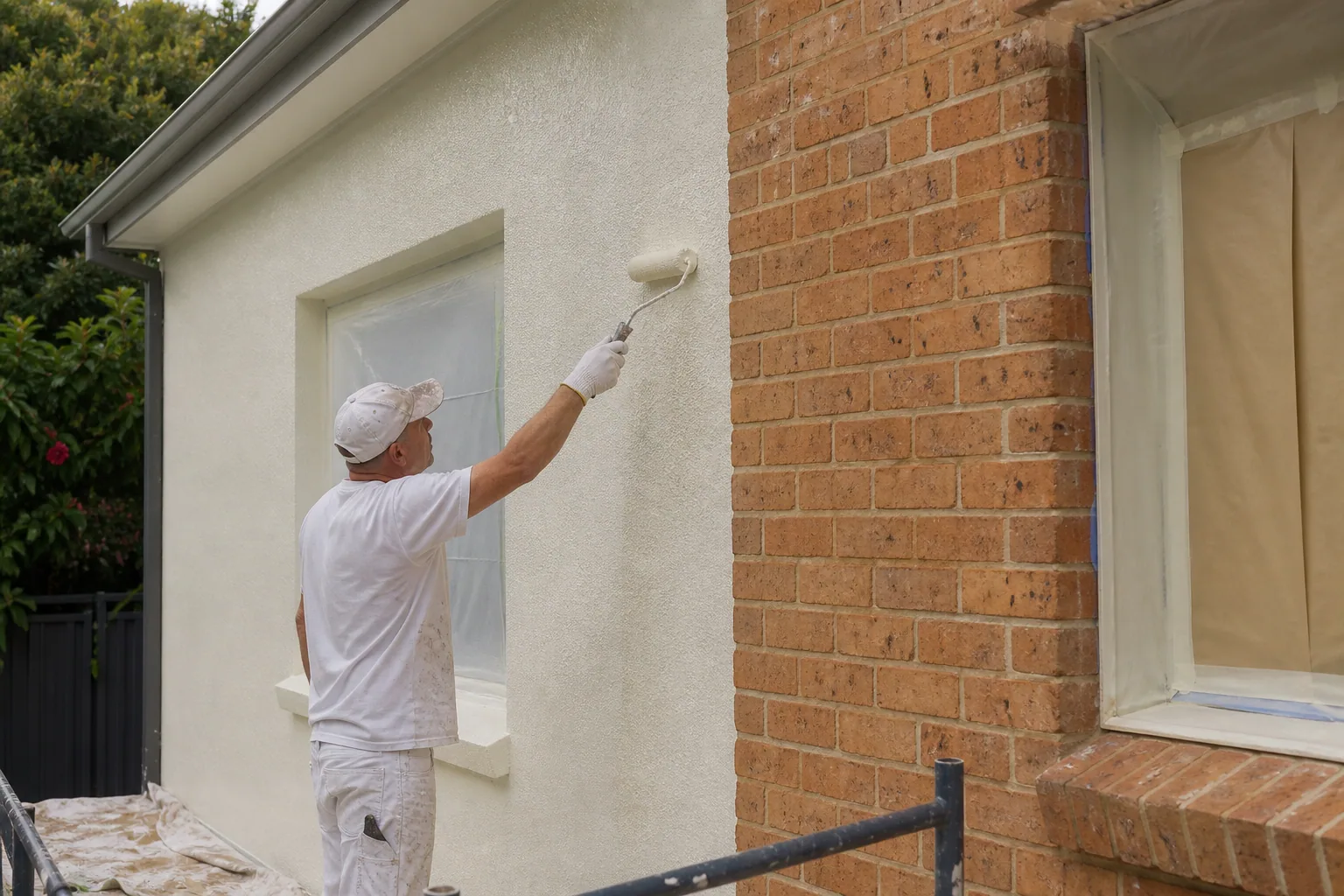
Weatherboard, render, brick, masonry and fibre cement all behave differently under paint, and each needs a different approach. Timber weatherboard requires checking for rot and priming any bare or exposed wood, render often needs crack filling and treatment for efflorescence (the white, powdery mineral deposits that form on masonry), and previously unpainted brick needs an entirely different primer system to brick that's being repainted.
A quote that doesn't account for your home's actual construction material is unlikely to be accurate, which is why an on-site assessment matters so much for exterior work specifically.
How Much Prep the Existing Paint Needs
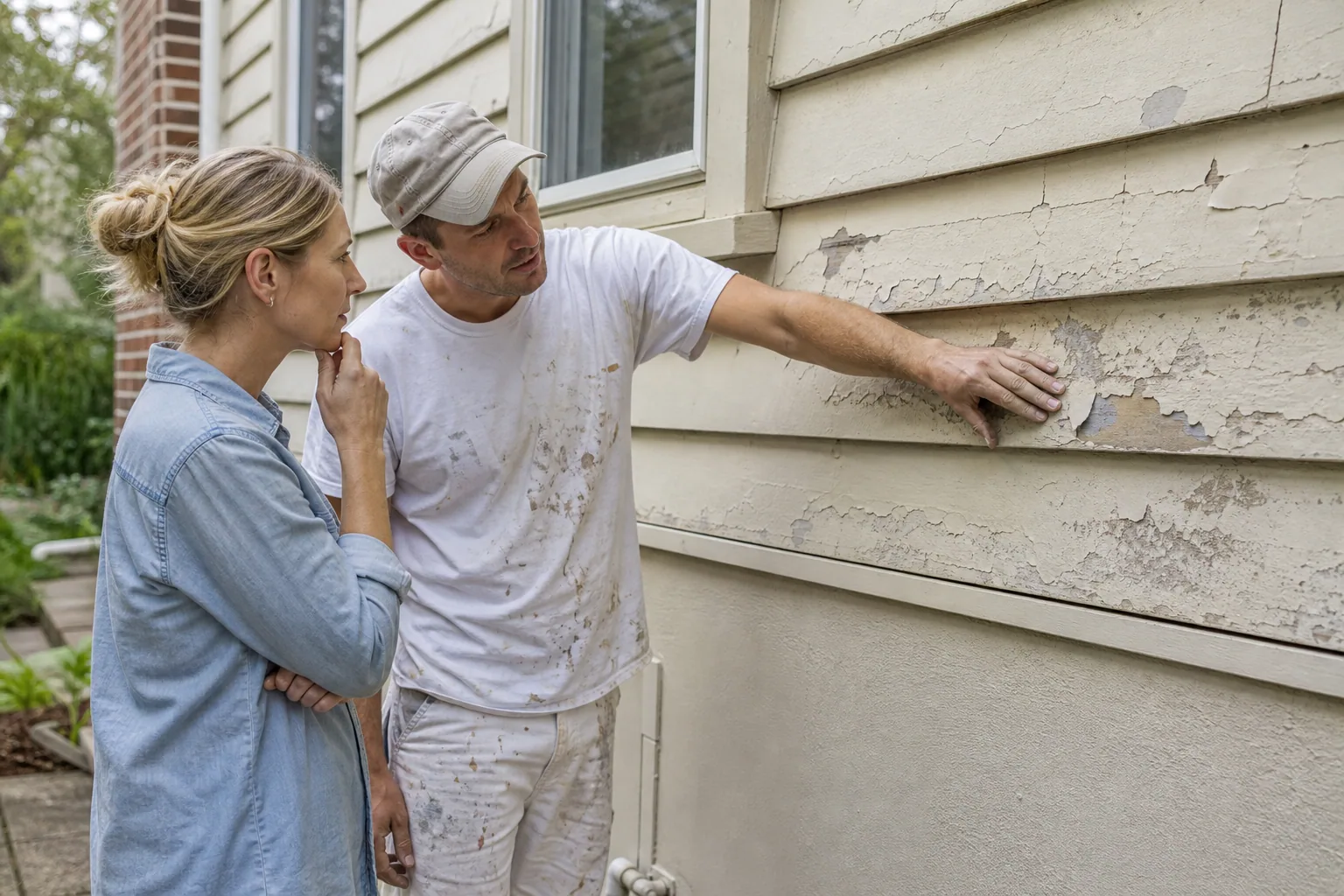
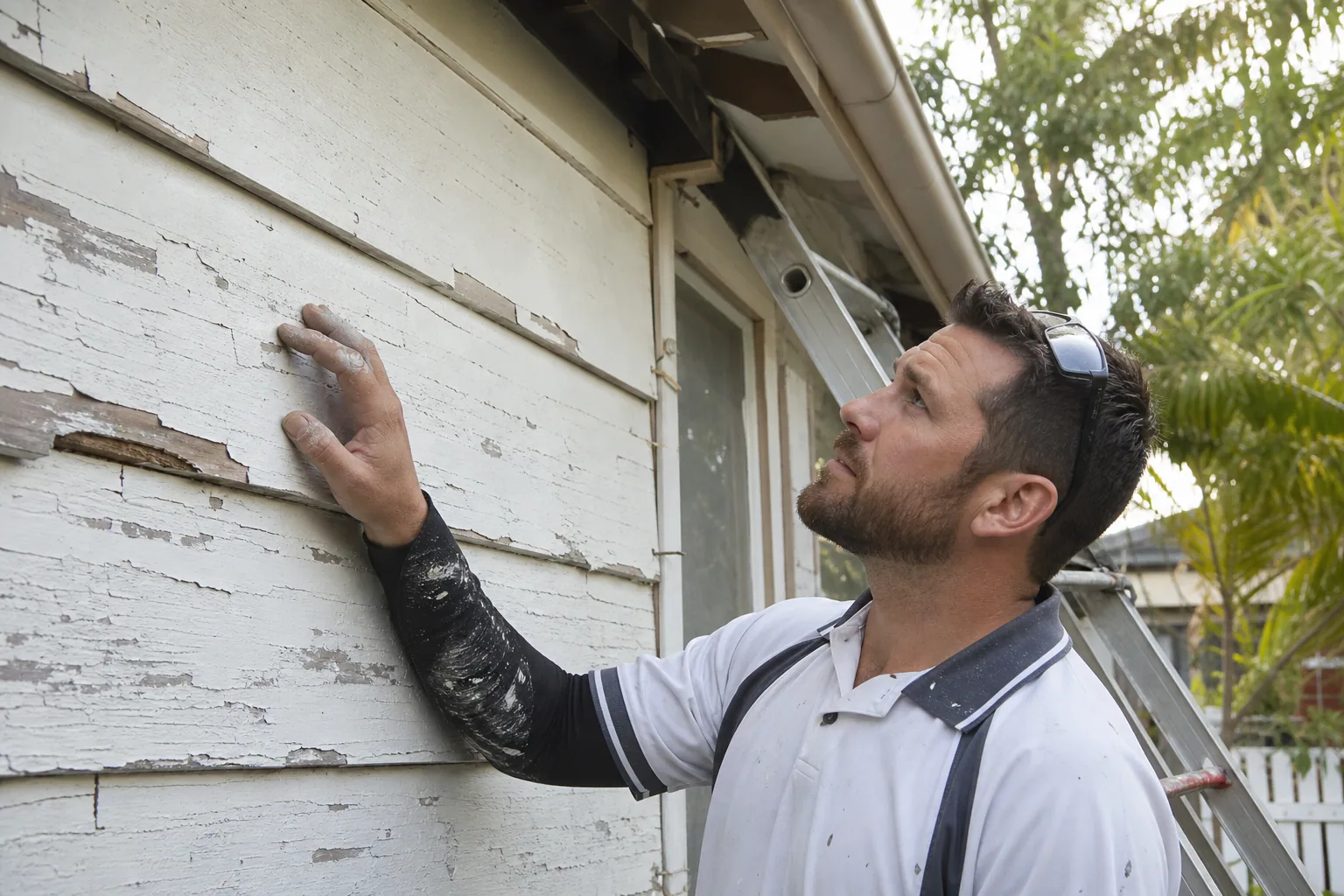
The extent of flaking, peeling or chalking on the current paint job determines how much scraping, sanding and priming has to happen before a single coat of topcoat goes on. A home with paint in reasonably sound condition needs far less labour than one with widespread failure across multiple walls.
Homes built before the 1970s may also need lead paint testing and safe handling practices if older coatings are being disturbed, which is a preparation step that newer homes generally don't require.
Height, Access and Scaffolding
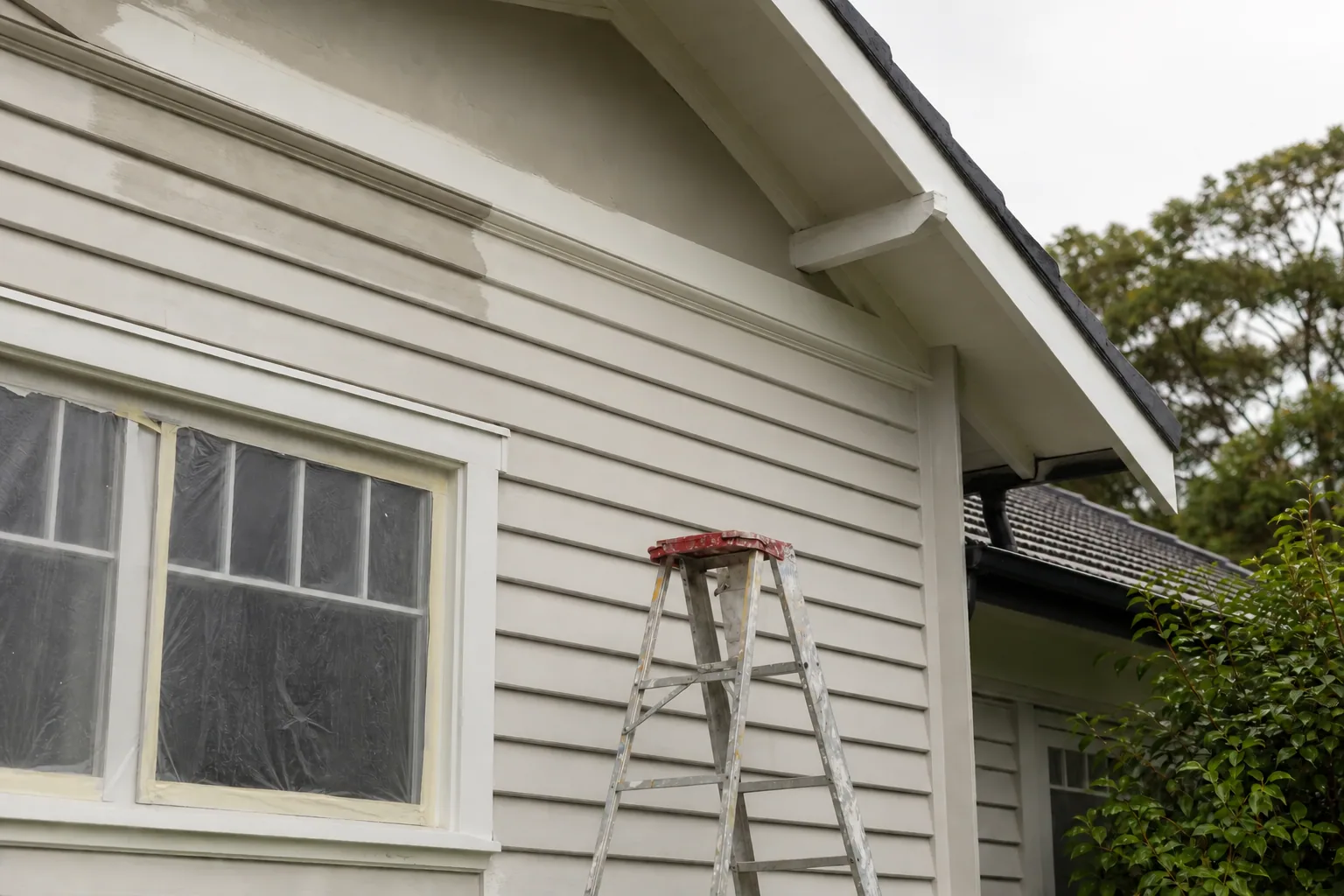
A single-storey home on a flat block is the simplest exterior job to access safely. Double-storey homes, steep or sloping blocks common across many North Shore suburbs, gable ends and dormer windows all add complexity, and may require scaffolding or an elevated work platform rather than ladders alone, which is a significant driver of quoted cost independent of the paintable area.
Climate-Driven Preparation
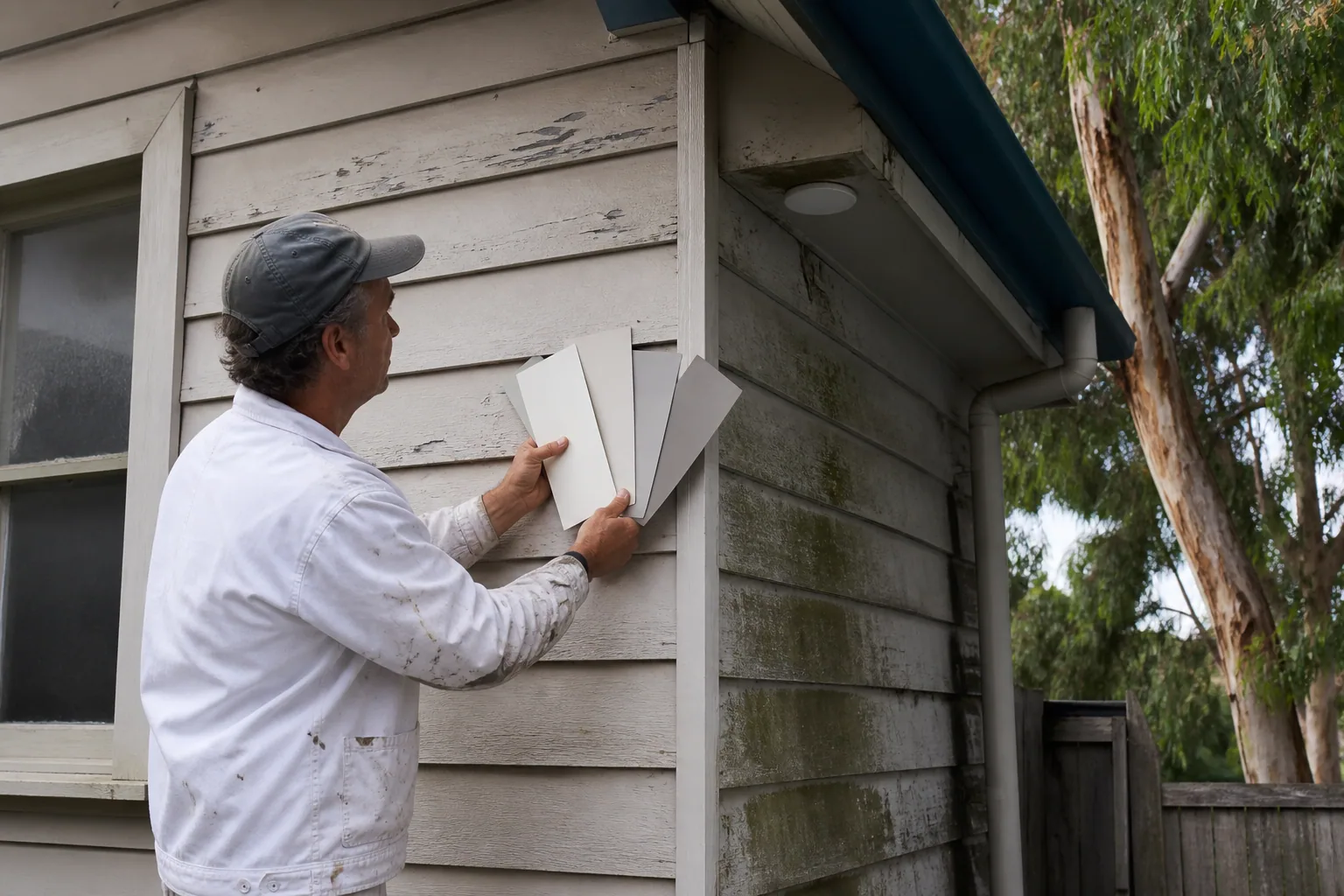
Auckland's high UV exposure causes chalking and colour fade on north- and west-facing walls faster than on shaded elevations. Humidity encourages mould and mildew growth, particularly on shaded south-facing walls and under eaves with limited airflow. Homes closer to the harbour or the coast can also show salt-related paint breakdown that calls for more thorough washing and treatment before any paint goes on.
Roofline, Gutters and Detail Work
Fascias, gutters, downpipes, eaves and awnings all add cutting-in time that a simple flat wall doesn't require. Homes with a lot of decorative trim or several accent colours will always take longer to complete than a straightforward single-colour render job, even if the total wall area is similar.
Sources & further reading
Authoritative references for the safety, planning and product considerations discussed in this guide.
Frequently asked questions
Quick answers to follow-up questions on this topic.
Older exteriors often carry multiple layers of past paintwork, may have areas of timber decay or masonry damage, and can require more extensive scraping and sanding. Pre-1970s homes may also need lead paint testing, none of which applies to a newer, previously well-maintained property.
Often, yes, for safe and thorough access to upper walls and gable ends, though ladders or an elevated work platform may be sufficient depending on the site's layout and access. A painter can assess this properly during an on-site inspection.
Not necessarily more, but differently. Weatherboard preparation often involves inspecting individual boards for rot and masking between boards carefully, while render preparation focuses more on crack filling and treating efflorescence before painting.
It can. Coastal and harbourside properties often face faster paint breakdown from salt-laden air, which may mean more thorough washing and preparation and a preference for coatings suited to that kind of exposure.