Resource guide — Updated 10 August 2026
How Often to Repaint an Auckland Home
How often Auckland homes need repainting, and what local conditions speed that up.
Repainting Timelines
Repainting an Auckland Home: How Often
Knowing How Often to Repaint an Auckland Home depends on exposure, surface type, coating quality and the early warning signs you can see.
Typical Repaint Intervals as a Starting Point
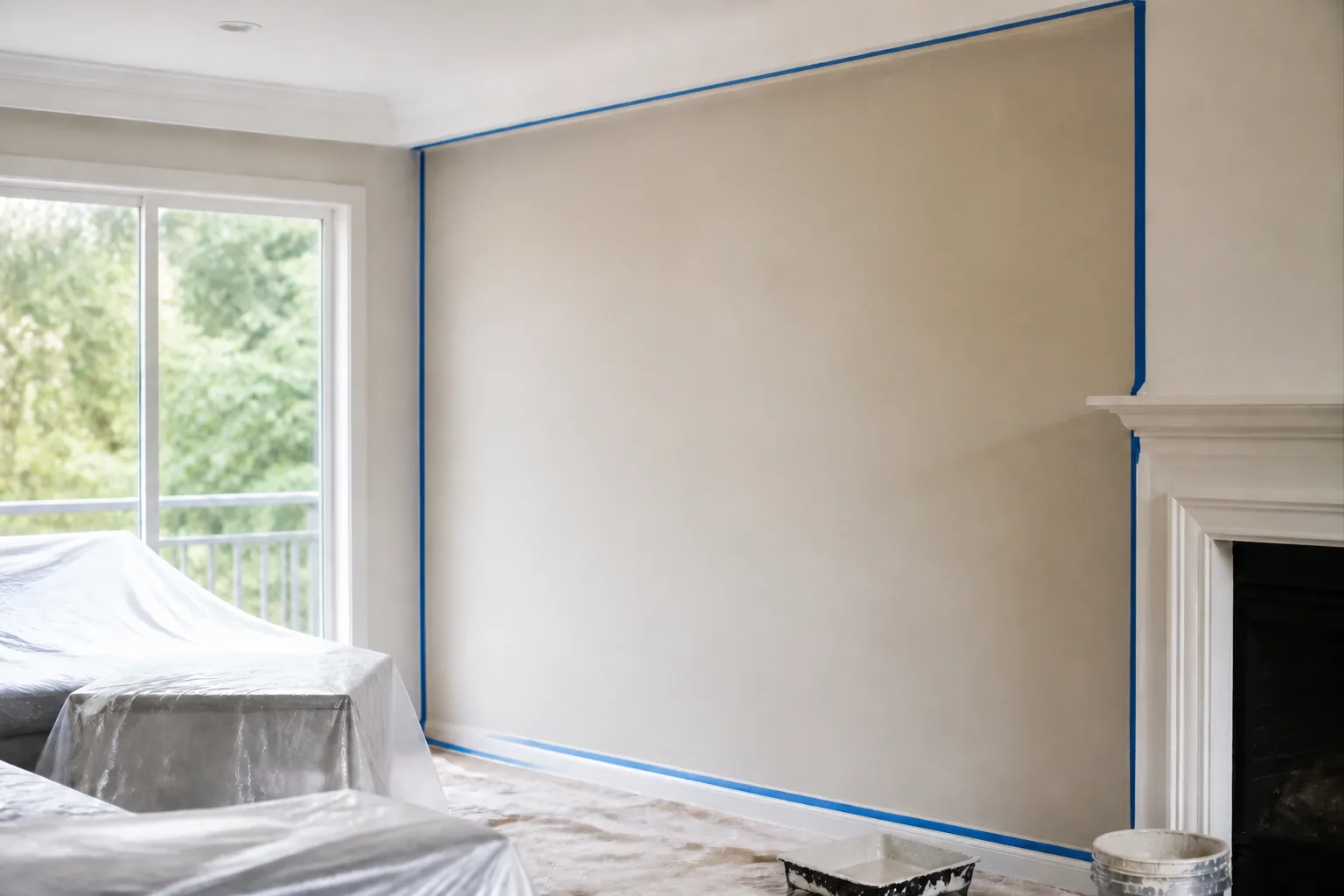
As a general guide, interior walls in good condition often go longer between repaints than exteriors, simply because they aren't exposed to sun, rain or temperature swings. Many homeowners find interior rooms hold up well for somewhere in the order of seven to ten years before looking tired, though high-traffic areas can need attention sooner.
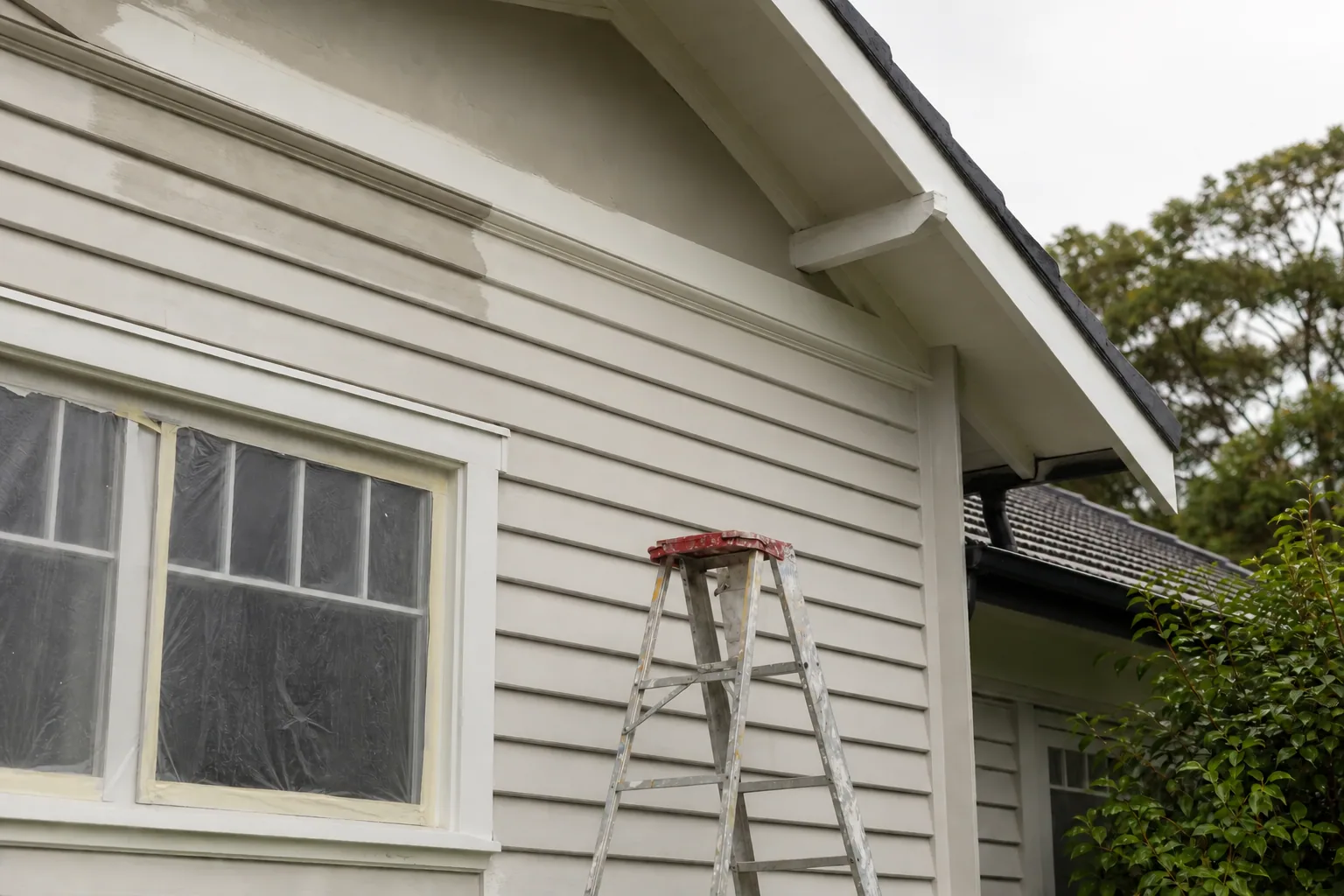
Exteriors, being exposed to the weather every day, typically need attention on a shorter cycle, often somewhere in the order of five to seven years, though this varies a lot depending on orientation, substrate and local exposure, which is covered below.
What Shortens the Repaint Cycle in Auckland
Several local conditions can bring that timeline forward. Intense UV exposure, especially on north- and west-facing walls, breaks down paint binders faster than on shaded elevations. Harbour and coastal salt air accelerates deterioration on properties closer to the water. Humidity encourages mould and mildew in shaded, poorly ventilated spots, and severe storms or hail events can cause sudden damage that isn't related to normal ageing at all.
Material-Specific Repaint Timelines
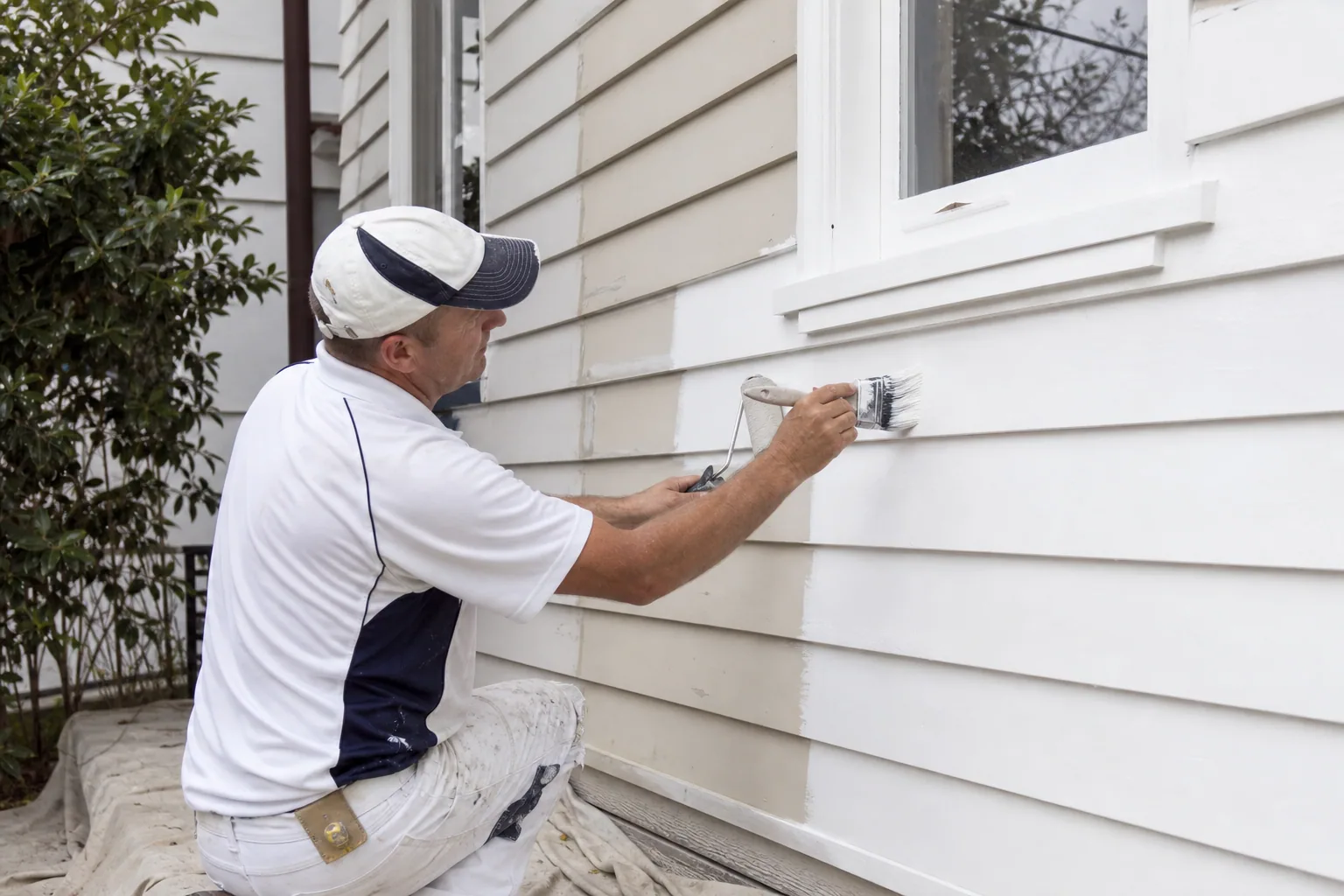
Timber weatherboard generally needs more frequent attention than brick or render, because timber expands and contracts with moisture and temperature in a way that masonry doesn't. Well-sealed render can often go longer between full repaints if it was properly prepared the first time.
Trim, gutters, fascias and window frames tend to weather faster than broad wall surfaces and often need touch-ups between full exterior repaints, simply because they take the brunt of sun, rain and physical contact.
Signs You May Need to Repaint Sooner
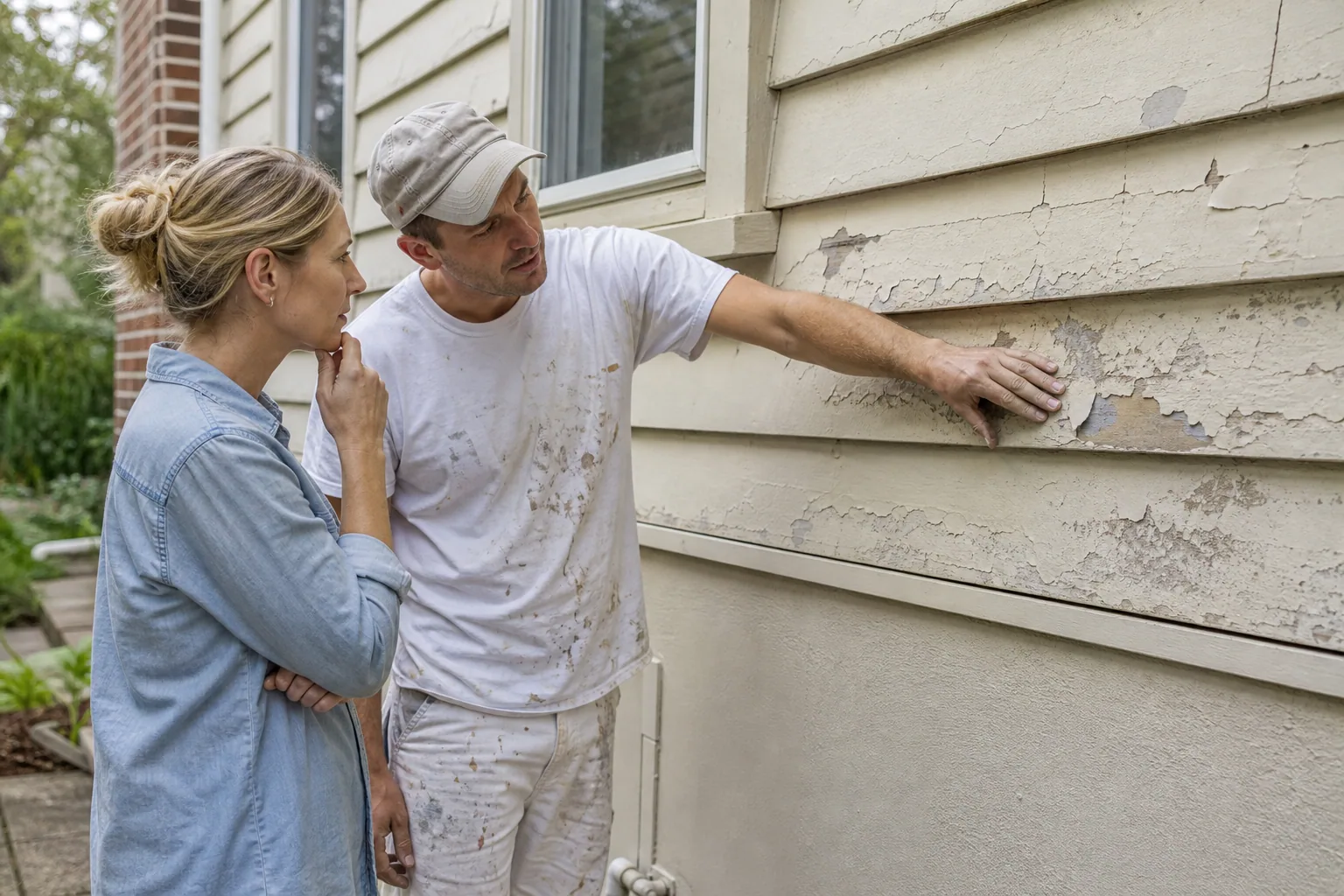
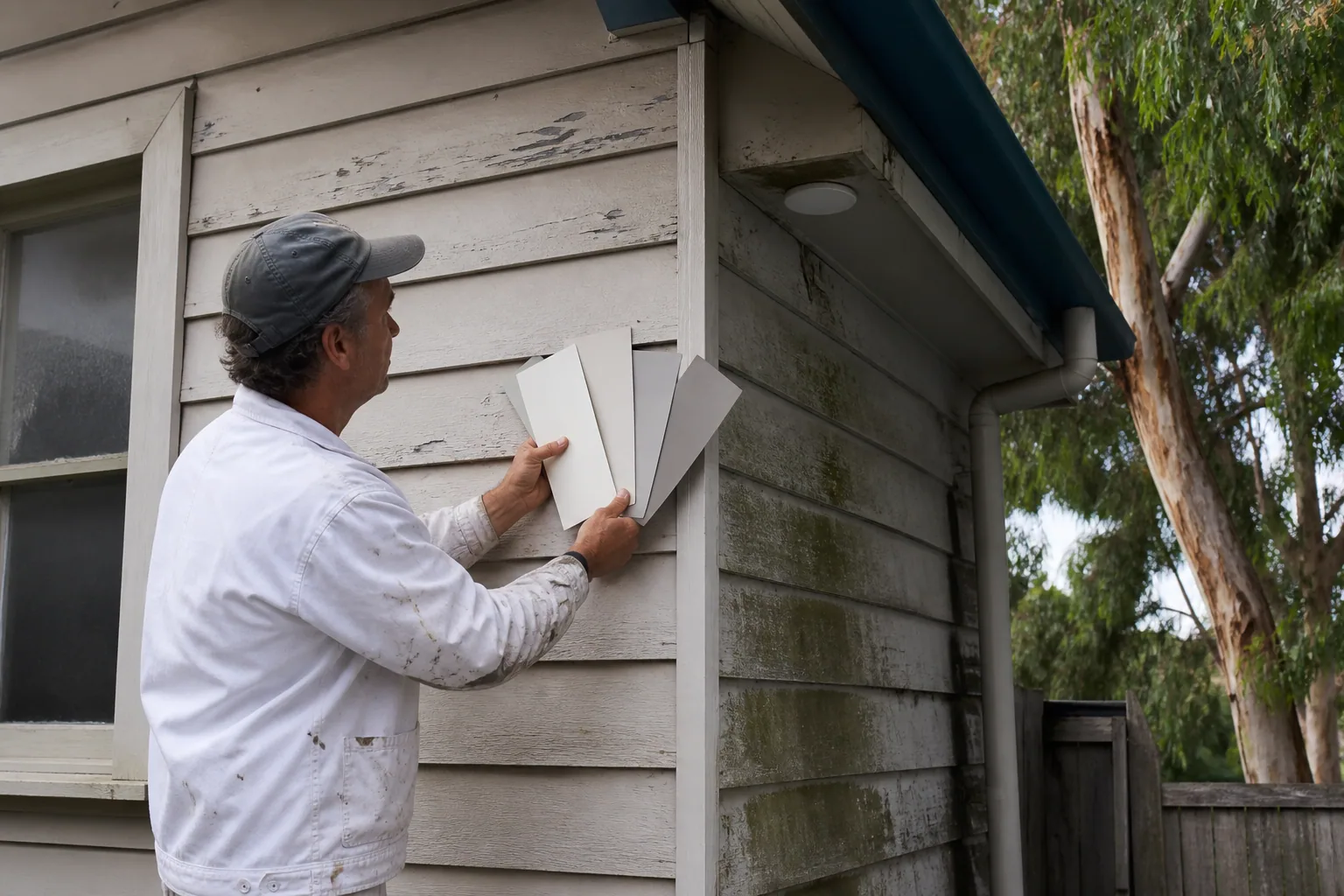
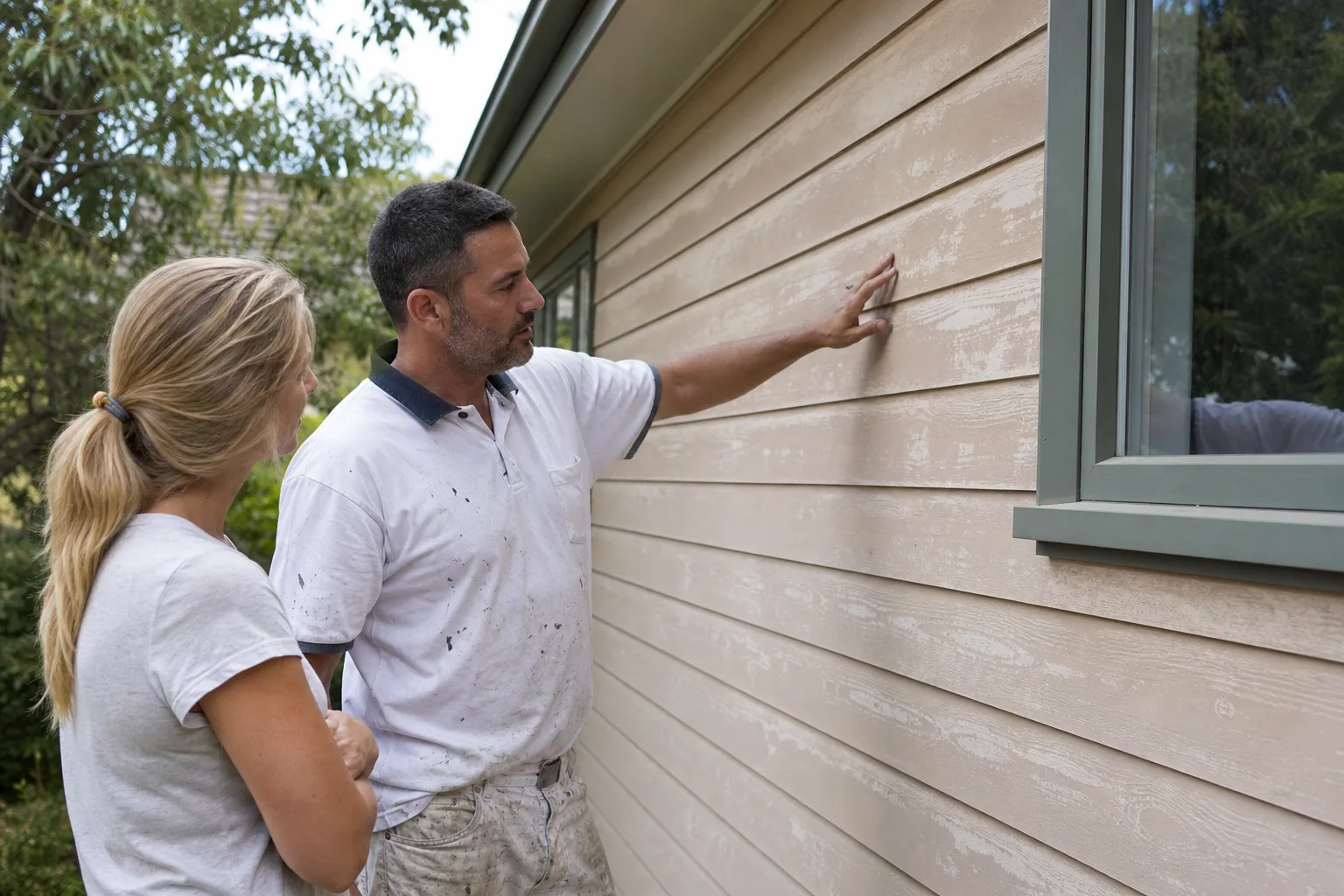
Regardless of how long it's technically been since the last paint job, certain signs mean the clock has effectively run out early. Chalking, visible cracking, peeling, or blistering on any part of the exterior are all indications that the protective coating is failing ahead of a 'typical' schedule and shouldn't be left until a scheduled repaint date arrives.
Extending the Life of a Paint Job
Simple, regular upkeep can push repaint intervals out rather than in. Gentle washing to remove grime, salt and mould growth, keeping gutters clear so water doesn't pool against fascias, trimming vegetation back from walls, and addressing small chips or cracks promptly all help the existing paint job last as long as it was designed to.
Sources & further reading
Authoritative references for the safety, planning and product considerations discussed in this guide.
Frequently asked questions
Quick answers to follow-up questions on this topic.
It depends heavily on use. High-traffic areas like hallways, kitchens and kids' rooms often need attention sooner than quieter formal living areas, but as a general guide, well-maintained interior walls can often go a good number of years between full repaints.
Yes, generally. North- and west-facing walls cop the most direct sun in Auckland, which accelerates fading and chalking compared with shaded south- or east-facing walls on the same house.
Often yes, because salt-laden air accelerates paint breakdown on properties closer to the harbour or the coast. More frequent inspection, and sometimes an earlier repaint, is a sensible precaution for these homes.
Yes. Simple upkeep like washing off grime and salt, keeping gutters clear, and touching up small chips before they spread can meaningfully extend the life of an existing paint job.