Interior House Painting
Interior wall, ceiling and trim painting for North Shore homes, prepped for a lasting finish.
Explore service →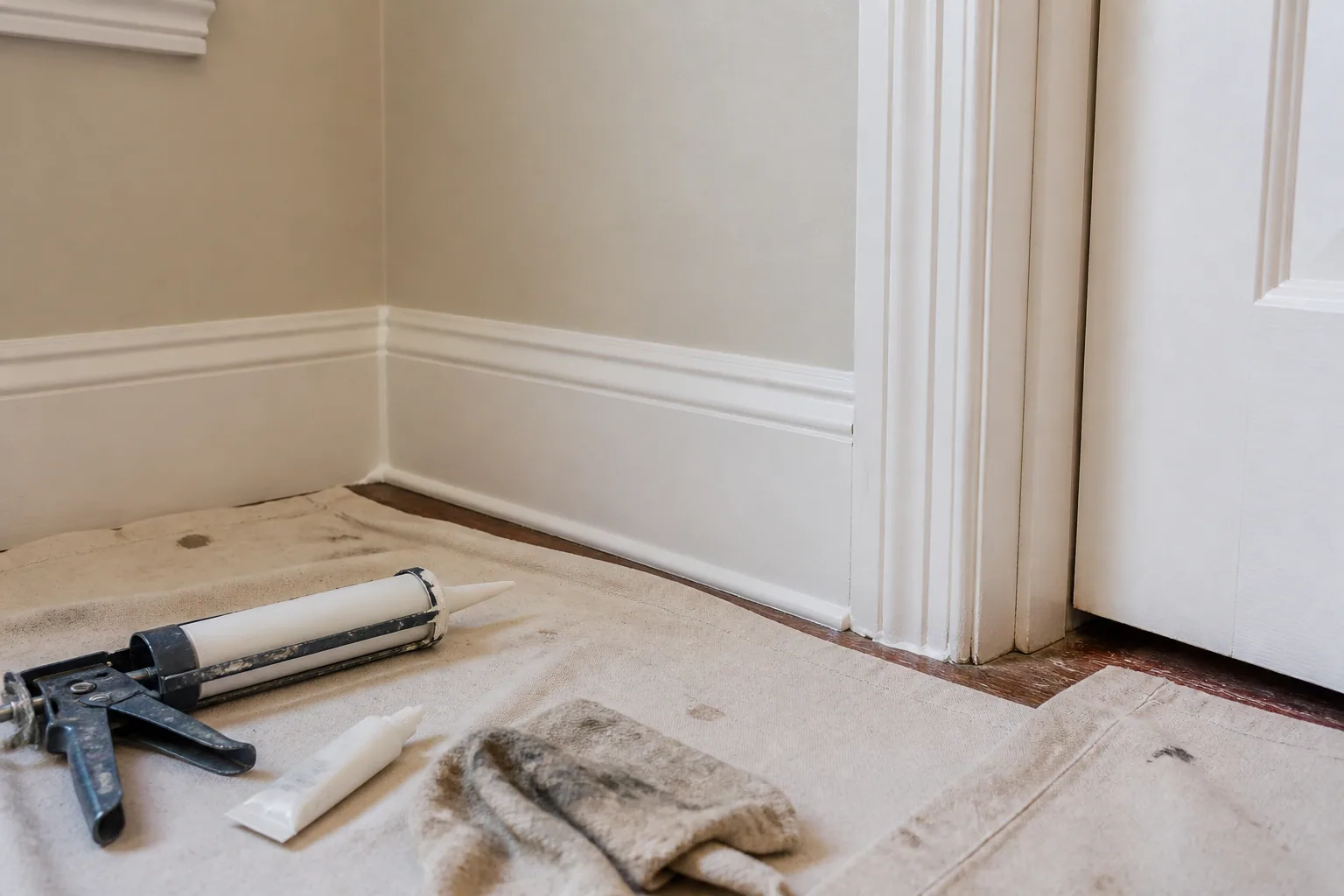
Service
Filling gaps around cornices, skirting and architraves so trim lines sit flush and clean before painting.
Gap Filling Specialists
For Gap Filling North Shore, careful preparation, a suitable coating system and a clearly defined quotation shape the project.
Gaps have a way of opening up between cornices and walls or ceilings, and between skirting or architraves and the surrounding surfaces, as timber and plaster move over time and through the seasons. Even a small gap reads as a dark shadow line that draws the eye and collects dust along the join.
Gap filling is a focused job in its own right, distinct from a plaster crack repair - it's about sealing a join cleanly rather than repairing damaged material. We select an appropriate flexible filler for the gap size and location, then tool it in for a clean, straight line that sits flush with the surrounding trim.
Whether it's a cornice line that's pulled away from the ceiling or an architrave with a gap along one edge, the aim is a clean, flush join that disappears once the wall or trim is repainted.
Who this is for: This service suits homeowners noticing gaps opening up around cornices, skirting or architraves, older homes where timber trim has moved away from walls over the years, anyone preparing trim and cornice lines for a repaint, and renovators wanting clean, flush joins before new trim is painted.
A quick look at what's covered when you book this service.
We inspect cornice, skirting and architrave joins for gaps before starting, identifying which sections need filling and which are still sound. This assessment shapes an accurate scope before any filler is applied.
An appropriate flexible filler or caulk is selected based on the size and location of each gap. Different gaps call for different products, and choosing correctly is what determines whether the fix actually lasts.
Filler is applied and tooled carefully for a clean, straight line along each join, rather than left rough or uneven. This technique is what separates a professional-looking gap fill from an obvious DIY patch.
Filled gaps are sanded or smoothed where the product allows, helping the repair sit flush with the surrounding trim. This step matters for how invisible the fix looks once everything is painted.
Filled sections receive spot priming before the main topcoat, helping them take paint the same way as the surrounding surface. This prevents the filled gap from reading differently once painted.
Corners and junctions where multiple gaps meet receive particular care, since these spots are more complex than a straight run. Getting these details right avoids an obviously patched appearance at awkward angles.
Any gaps linked to larger movement issues are identified and flagged, rather than simply filled and left unaddressed. We let you know if a gap points to something more significant worth investigating.
We check all joins are clean and ready before painting proceeds, confirming the preparation work is genuinely complete. This final review protects the quality of the finished paintwork that follows.
Here's what to expect from your first enquiry through to the final coat.
We assess the gaps across the relevant cornices, skirting and architraves and provide a written quote for the work involved.
A flexible filler or caulk is applied and tooled along each gap for a clean, straight line.
Filled sections are sanded or smoothed where needed and spot-primed so they don't show through the new paintwork.
We check all joins are clean and ready, then proceed to painting or hand the surface back to you ready for your own painter.
A few of the things we weigh up when choosing the right product for this job.
Flexible, paintable caulks handle small seasonal movement better than rigid fillers, which can crack again as timber and plaster shift through the year. This flexibility is what keeps a gap fill looking clean well after the job is finished.
Spot priming filled gaps helps them take paint evenly with the surrounding trim, avoiding a slightly different tone where the filler meets the original surface. This small step matters for how invisible the finished gap fill looks.
Paintable caulk works well under light-coloured trim, taking paint evenly rather than showing through as a slightly different shade once coated. This matters most on pale skirting, architraves and cornices where any variation is more noticeable.
Larger persistent gaps may need a two-stage fill to avoid shrinkage cracking, since a single thick application can crack as it dries and cures. Building up the fill in stages gives a more reliable, lasting result.
Low-sheen finishes on cornices help disguise any very fine remaining lines along a filled join, since higher sheens tend to catch light differently along an edge. This is a simple finishing choice that improves how seamless the result looks.
Colour-matched or paintable-over-white caulk blends more easily into light-coloured trim than a contrasting product, reducing any visible line before the final coat goes on. This is worth specifying upfront rather than working with whatever caulk happens to be on hand.
What to expect in terms of timing and access while the work is underway.
Gap filling is a low-mess, contained job compared to a full repaint, generally limited to the specific trim lines being addressed, with minimal furniture movement required.
A few reasons homeowners and property managers choose not to DIY this job.
Gap size and location both affect which flexible filler or caulk will actually hold up over time. We choose products matched to the specific join, rather than using the same filler regardless of whether it's a hairline cornice gap or a wider skirting join.
Tooling filler into a clean, straight line along a cornice or skirting run takes a steady hand and the right technique. A rushed job shows as an uneven bead that draws the eye rather than disappearing into the trim.
Overfilled gaps sit as a visible ridge, while underfilled ones still show as a shadow line once painted. We aim for a result that sits flush with the surrounding surface, avoiding both extremes so the join genuinely disappears.
Most gaps around cornices and trim are normal timber and plaster movement, but some point to something more significant worth flagging. We keep an eye out for the difference rather than treating every gap as purely cosmetic.
Filled gaps need proper drying time and spot priming before painting proceeds, or they can take paint differently to the surrounding trim. We build this sequencing into the schedule so the finished result looks consistent.
Gap filling is a distinct, standalone task rather than an afterthought tacked onto a bigger repair. We give it the same careful attention as any other preparation stage, since a clean join matters to how finished the trim looks.
Straight answers to the questions we're asked most often about gap filling.
A properly chosen flexible filler, applied correctly, should handle normal seasonal movement without reopening - gaps that keep coming back are usually a sign the wrong product was used the first time.
Yes, gap filling can be done as a standalone job, though a full coat over the filled sections usually gives the most even, unnoticeable result.
Gap filling deals with a join opening up between two separate elements, like a cornice and a ceiling, while a crack repair addresses damage within the plaster or plasterboard itself.
Not necessarily - most cornice gaps are the result of normal timber and plaster movement over time rather than structural movement, but we'll flag anything that looks more significant.
This depends on the filler used and the size of the gap, but most small gaps are ready for priming within a day - we'll let you know a sensible timeframe once we've assessed the job.
Other services North Shore properties often combine with this one.
Interior wall, ceiling and trim painting for North Shore homes, prepped for a lasting finish.
Explore service →Crisp, durable painting of skirting boards, architraves, cornices and dado rails for a finished, polished look.
Explore service →Repairing cracked, damaged or water-stained plaster so walls and ceilings are sound before painting.
Explore service →Filling nail holes, dents and small surface damage so walls and ceilings are smooth and ready for paint.
Explore service →A sample of the suburbs where we take on this kind of work.
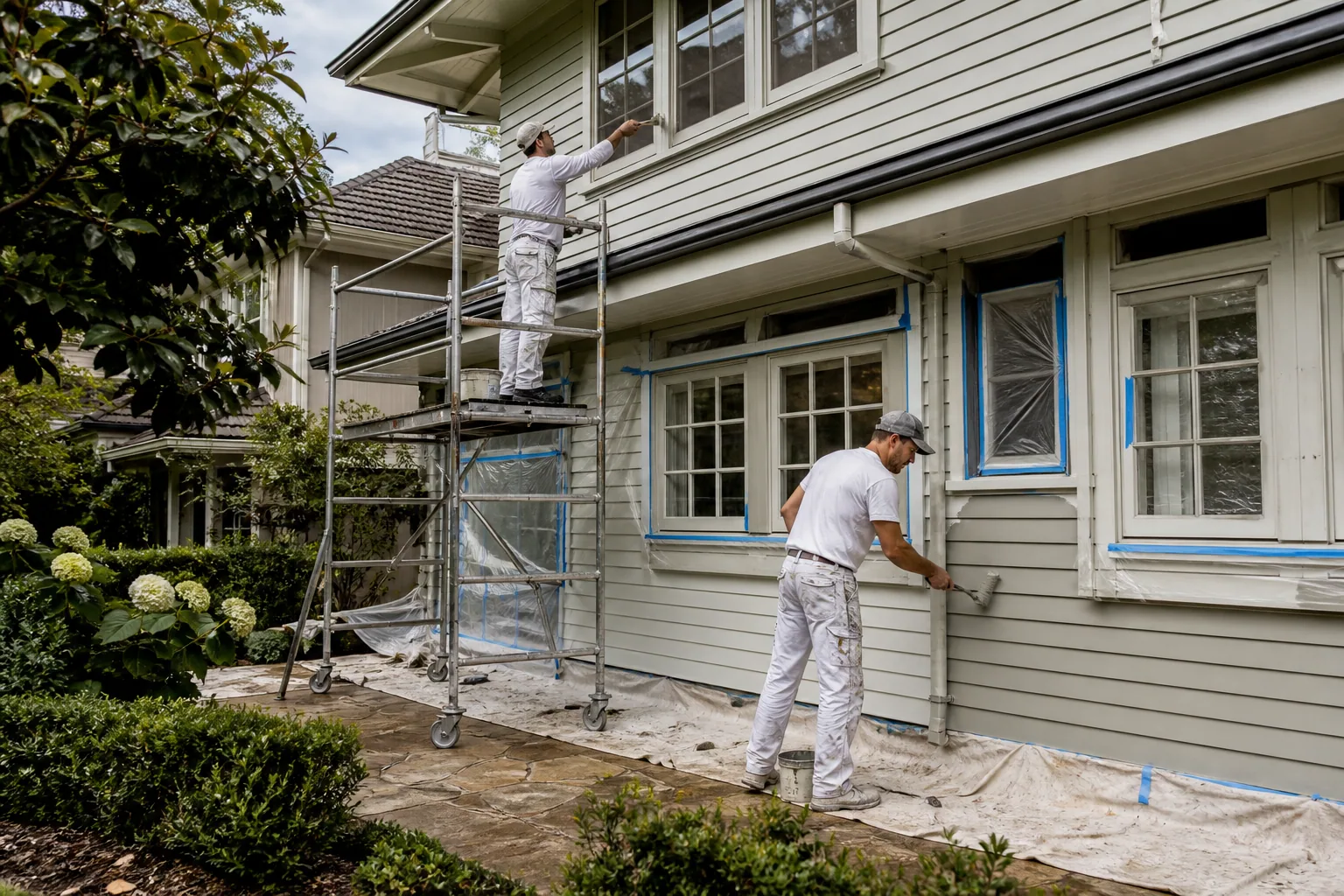
Murrays Bay is a quieter, family-oriented suburb between Mairangi Bay and Browns Bay, well known locally for i…
Painters in Murrays Bay →
Forrest Hill is an established residential suburb inland from Milford, made up mainly of brick-and-tile and we…
Painters in Forrest Hill →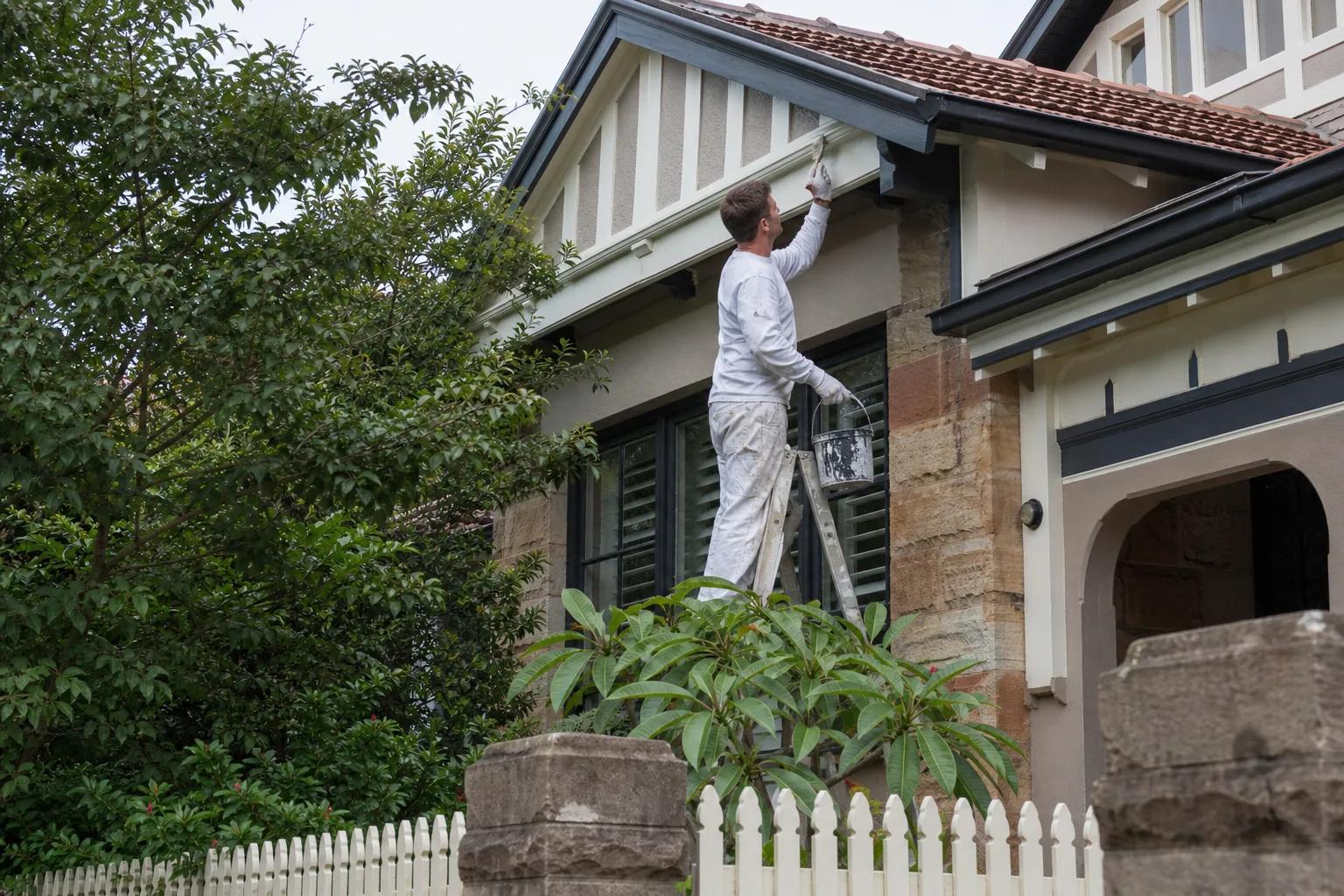
Birkenhead is a well-established, leafy suburb on the western side of the North Shore, known for its character…
Painters in Birkenhead →Whether it's a single room or a full property, we bring the same careful preparation to every gap filling job.
Get in touch today for a free, no-obligation quote — we're happy to talk through the scope before you commit to anything.