Resource guide — Updated 10 August 2026
Signs of Failing Exterior Paint
The early warning signs your exterior paint is failing, before repairs get bigger.
Exterior Paint Maintenance
Failing Exterior Paint Signs
These Signs of Failing Exterior Paint help North Shore homeowners act before weather exposure turns coating wear into larger repairs.
Chalking and Fading
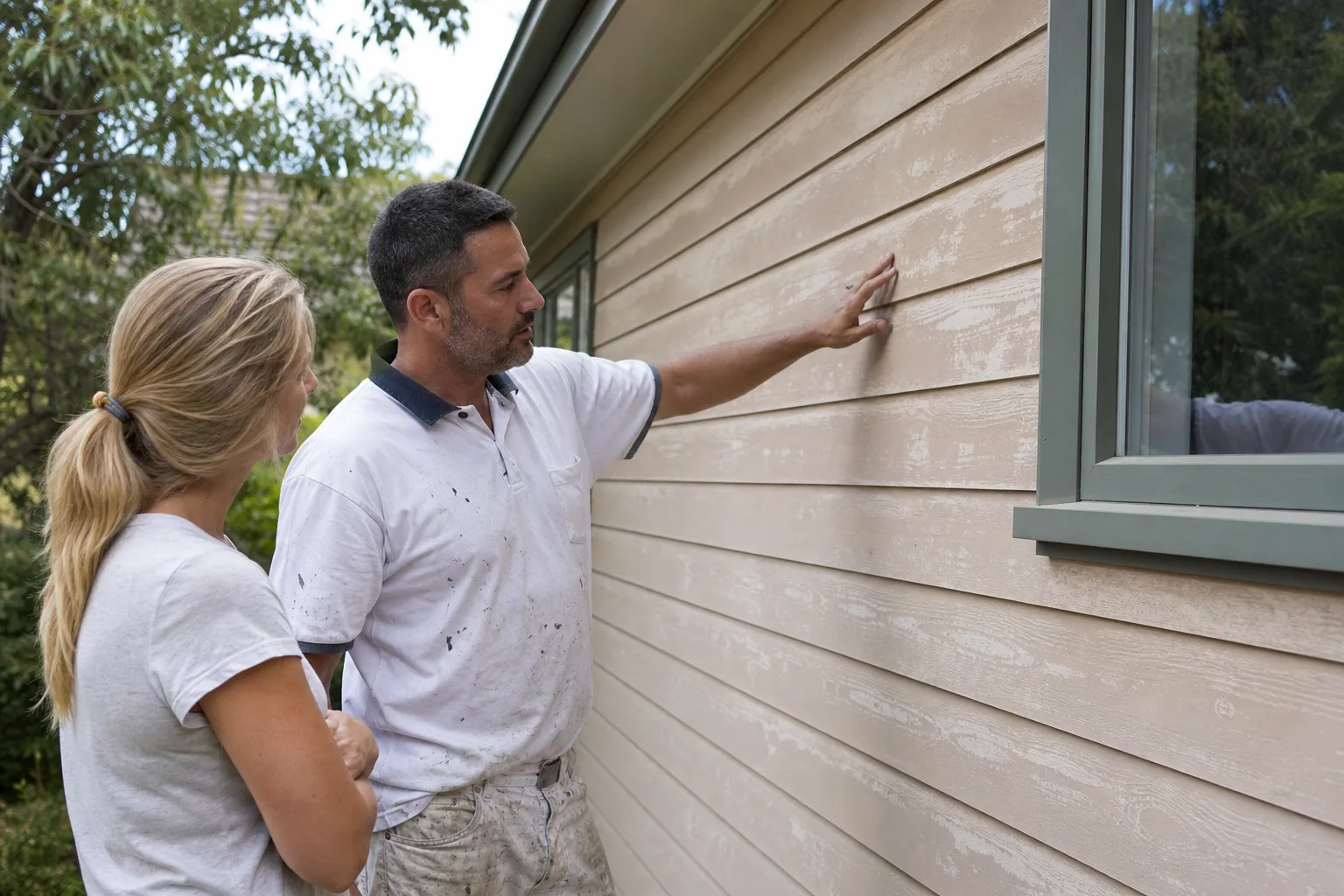
Chalking is a fine, powdery residue that rubs off onto your hand when you touch an exterior wall. It happens as UV exposure gradually breaks down the paint's binder, and it's one of the earliest, most common signs of ageing paintwork, especially on north- and west-facing walls that see the most sun.
Fading is the related loss of colour depth over time. On its own it's mostly cosmetic, but combined with chalking it signals that the protective topcoat is thinning and worth keeping an eye on.
Cracking, Flaking and Peeling
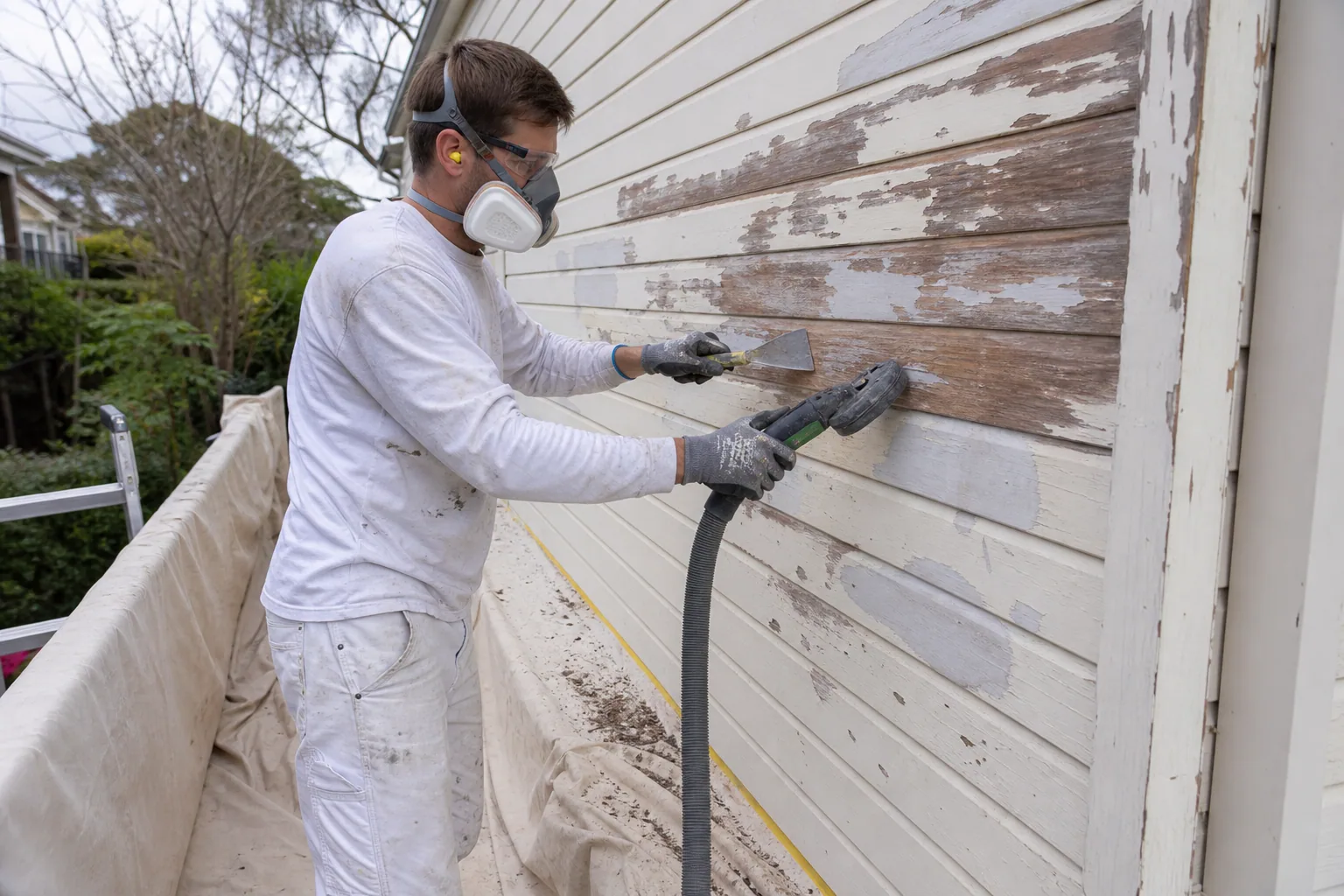
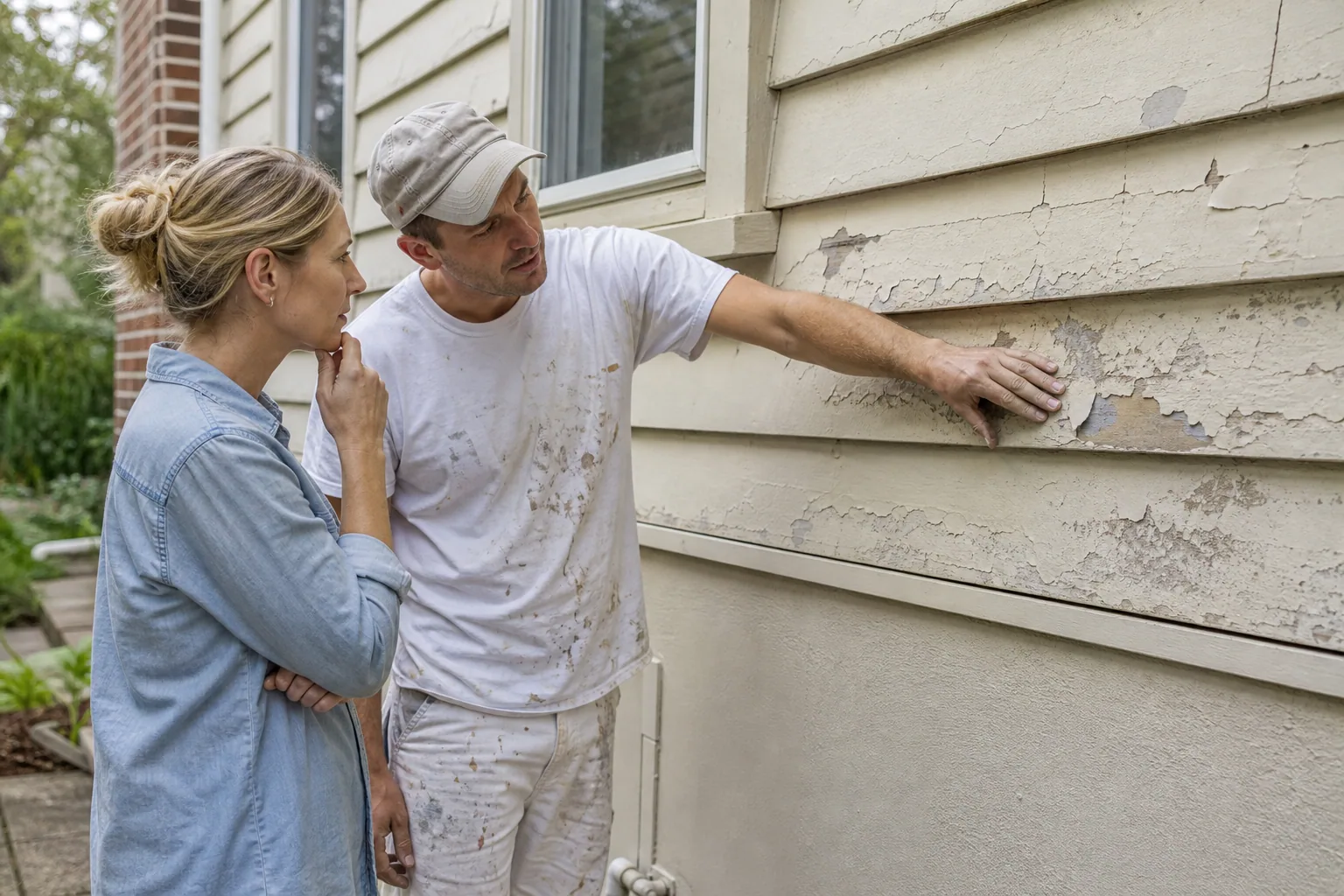
Hairline cracking, sometimes called crazing, is often the first visible sign of a paint film reaching the end of its useful life. Left unaddressed, it can progress to flaking and eventually full peeling once moisture gets underneath the paint film and lifts it from the surface.
Once peeling starts, bare substrate is exposed directly to the weather, which accelerates further damage well beyond what a simple repaint would have prevented if caught earlier.
Blistering and Bubbling
Bubbles or blisters in the paint film usually point to trapped moisture underneath. This can come from timber that wasn't fully dry before it was painted, a hidden leak behind the wall, or paint applied over a surface that was damp at the time. Blistering is a sign to investigate the moisture source itself, not just repaint over the top of it.
Where Failure Shows Up First
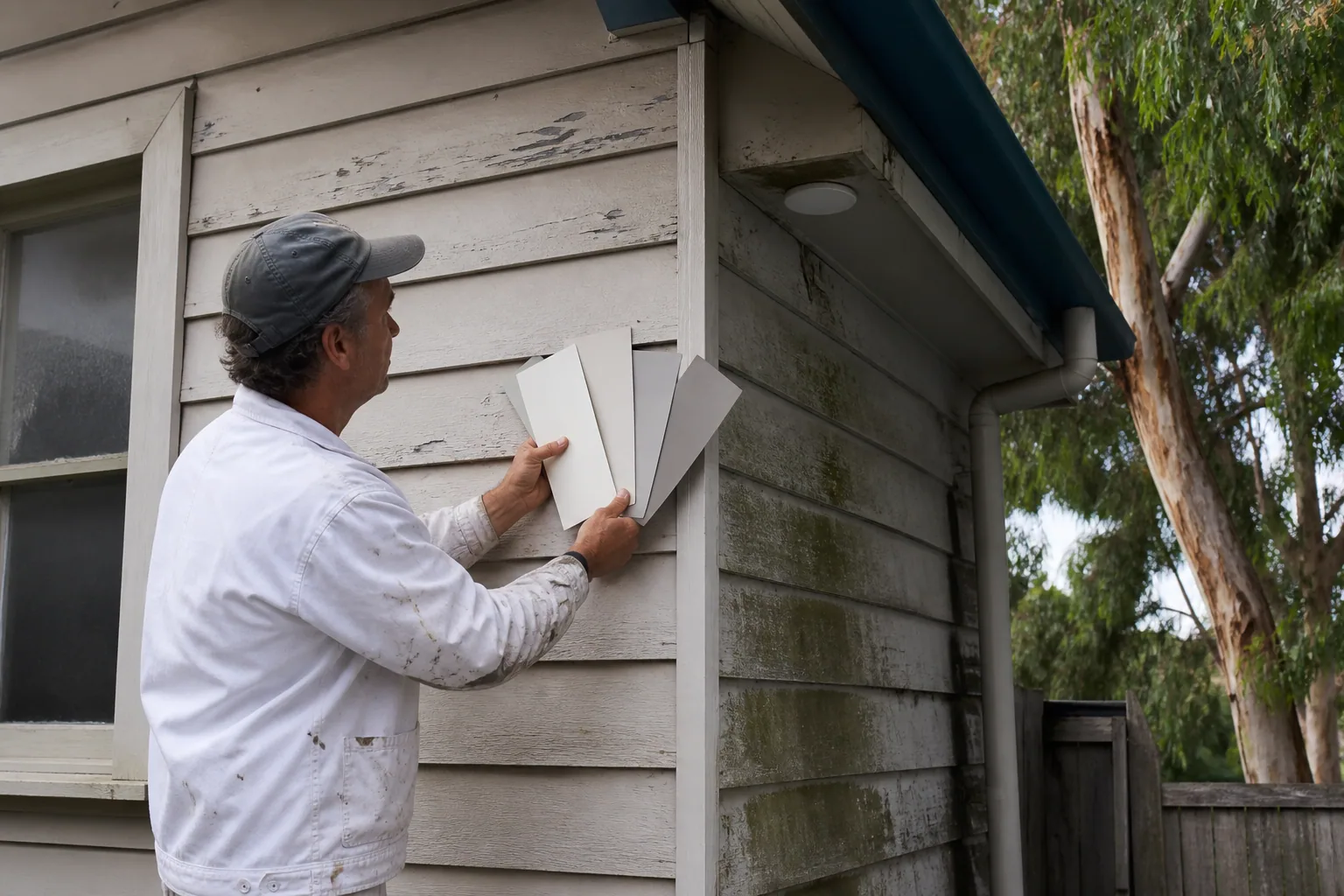
Certain areas of a home almost always show wear before the rest. Eaves, gutters and fascias experience constant wetting and drying, north- and west-facing walls take the most UV exposure, and shaded south-facing or damp-prone areas are prone to mould and mildew. Checking these spots first often gives an early read on the condition of the whole exterior.
Why Acting Early Matters
Once bare timber or render is exposed to the weather for an extended period, moisture and pests can cause real structural problems, such as timber rot or masonry spalling, that go well beyond a cosmetic paint issue. Addressing early warning signs while they're still cosmetic protects the building fabric underneath, not just the appearance of the walls.
Sources & further reading
Authoritative references for the safety, planning and product considerations discussed in this guide.
Frequently asked questions
Quick answers to follow-up questions on this topic.
Chalking is caused by UV breakdown of the paint's binder over time, and is more noticeable on lower-quality paints or coatings reaching the end of their service life. On its own it's not usually urgent, but it's a clear signal that it's time to start planning a repaint.
These areas go through repeated wetting and drying and can trap moisture or organic debris like leaves and dirt, which makes them prone to earlier deterioration than open, well-drained wall surfaces.
Mostly, yes, on its own. But persistent fading combined with chalking suggests the protective topcoat is thinning across the whole surface, so while it isn't urgent by itself, it's worth checking alongside the rest of the exterior.
Widespread early peeling or poor adhesion concentrated in specific areas often points to inadequate surface preparation or priming at the time of painting, while gradual, even chalking and fading across the whole house is more typical of normal weathering as the paint simply reaches the end of its life.