Exterior House Painting
Exterior painting that protects North Shore homes from sun, rain and salt air, on any surface.
Explore service →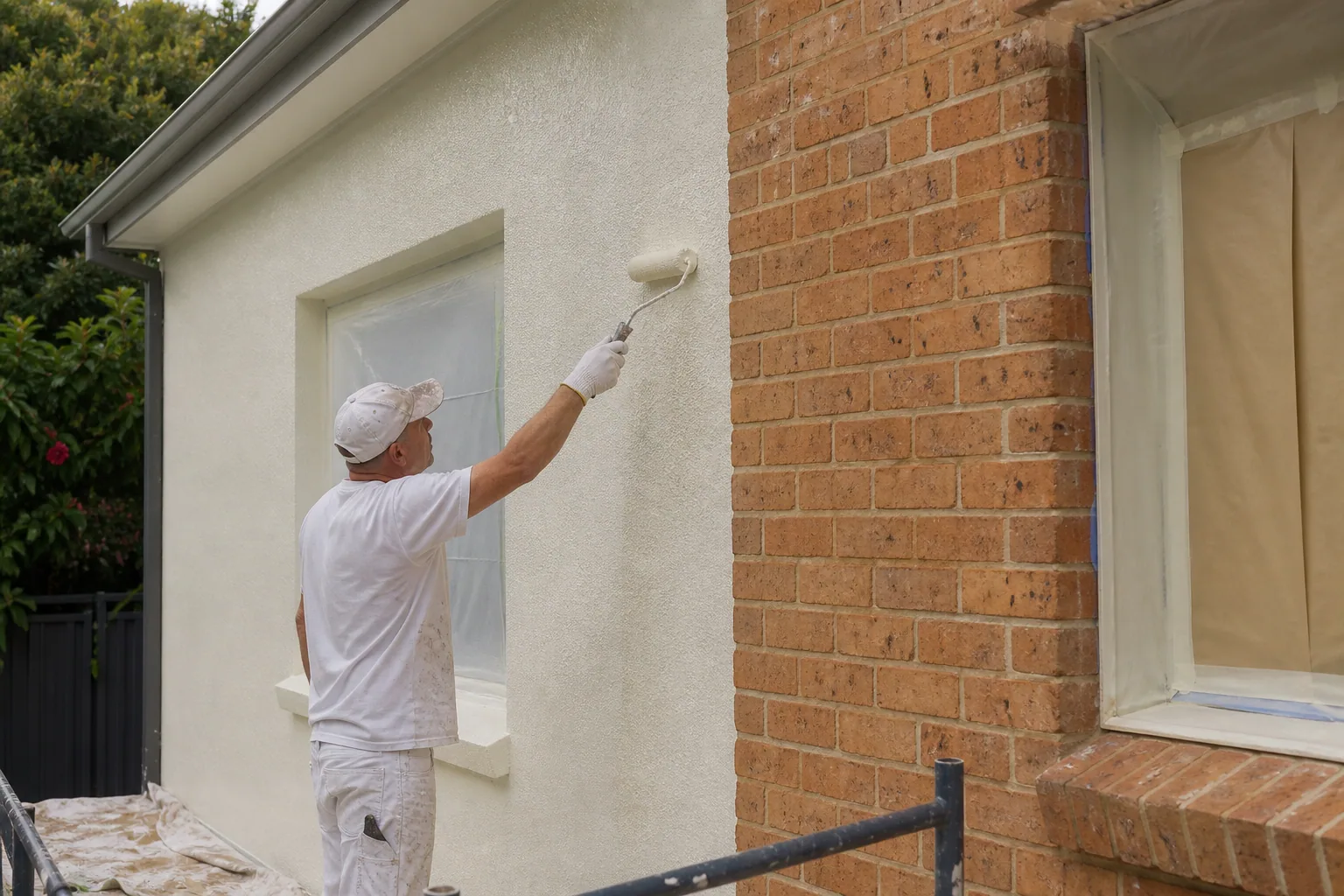
Service
Painting and preparation for brick, render and masonry surfaces, addressing cracking and efflorescence before coating.
Brick Painting Specialists
For Brick Painting North Shore, careful preparation, a suitable coating system and a clearly defined quotation shape the project.
Rendered facades and painted brick or masonry bring their own set of challenges compared with timber. Hairline cracks, efflorescence (that chalky white salt residue), old flaking paint and patchy previous repairs are all common on North Shore homes, particularly on properties built or rendered several decades ago.
Our render, brick and masonry painting service focuses on getting the substrate right before colour is applied. That includes cleaning off dirt, mould and salt deposits, filling and repairing cracks in render, and using the right primer for the surface - whether that's bare masonry, previously painted brick, or a rendered finish that's chalking or powdery.
The result is a facade that not only looks refreshed but is better protected against water ingress and further cracking, whether you're dealing with a Federation double-brick home, a 1970s brick veneer, or a rendered facade from a more recent renovation.
Who this is for: This service is suited to owners of brick veneer, double-brick and rendered homes across the North Shore, including older brick homes being painted for the first time, rendered facades with visible cracking or staining, and units or townhouses with masonry walls in need of a refresh. It's also relevant for retaining walls, brick fences and masonry outbuildings.
A quick look at what's covered when you book this service.
We assess the render or masonry surface and the condition of any existing paint before recommending a course of action. This inspection identifies cracking, chalking or previous coating issues that need addressing before new paint goes on.
High-pressure washing removes dirt, mould and loose material before any repair or priming work begins. A clean surface is essential for both accurate crack assessment and good adhesion of the coatings that follow.
Cracks are filled and render repairs are carried out where needed, addressing damage before it's painted over. Getting the cause of cracking right first means the repair has a genuine chance of lasting.
Efflorescence and salt staining are treated as part of the preparation, since these issues can cause paint to fail if left unaddressed. This step protects the new coating from a problem that's easy to miss but costly to ignore.
A masonry primer or sealer suited to the specific substrate is applied, whether that's bare brick, render or a previously painted surface. Matching the primer to the material is what gives the topcoat a genuine chance of lasting.
Two coats of exterior masonry paint are applied for durable, even coverage across the whole facade. This layered approach gives better long-term protection than a single coat, particularly on textured or porous surfaces.
Caulking around window and door frames keeps moisture out and gives a clean, finished transition between masonry and joinery. This detail work is easy to overlook but matters for both appearance and weather protection.
We inspect the finished facade and address any final touch-ups before considering the job complete. This last check is what ensures the finished result matches the standard set out in your original quotation.
Here's what to expect from your first enquiry through to the final coat.
We inspect the render, brick or masonry surfaces, identify cracking, staining or previous coating issues, and provide a written quote covering repairs and painting.
Surfaces are washed to remove dirt, mould and salts, cracks are filled, and any loose or damaged render is repaired ahead of priming.
A masonry primer or sealer is applied where needed, followed by two coats of exterior paint for even coverage and colour.
We inspect the finished surfaces with you, check for consistent coverage, and address any last touch-ups before handover.
A few of the things we weigh up when choosing the right product for this job.
Breathable masonry paints allow trapped moisture to escape rather than blistering the finish, which matters on render and brick where moisture movement through the wall is common. Sealing moisture in with the wrong product is a frequent cause of coating failure.
Elastomeric or flexible coatings can help bridge fine hairline cracks in render, giving a smoother finished appearance without needing extensive crack repair first. This is a useful option for render with minor, cosmetic cracking rather than structural movement.
Alkali-resistant primers help manage efflorescence on newer or previously bare masonry, where high alkalinity in the substrate can otherwise cause paint to fail early. This step matters most on masonry that hasn't been coated before.
Low-sheen finishes tend to suit render, while brick can take a wider range of sheens depending on the look you want. Matching sheen to the specific substrate affects both appearance and how easily the surface can be cleaned later.
Tinted sealers can even out patchy or previously repaired render before topcoating, so repaired sections don't show through as a different tone once painted. This step is particularly useful where render has been patched in several places over time.
Sample testing on an inconspicuous section helps confirm how a colour reads against existing brick or render texture before committing to the whole facade. Texture affects how a colour appears just as much as the surrounding light and aspect.
What to expect in terms of timing and access while the work is underway.
Render and masonry painting typically involves pressure washing before any paint is applied, so expect some noise and water runoff during the cleaning phase. Scaffolding or an elevated platform may be needed for two-storey facades, and garden beds or paths close to the walls may be temporarily out of use. Crack repairs and render patching need time to cure before painting, which can add a day or two to the schedule depending on the extent of the repairs.
A few reasons homeowners and property managers choose not to DIY this job.
Hairline cracks in render or brick can come from several different causes, and filling over them without understanding why they appeared often means they simply come back. We look at what's actually causing the cracking before deciding how to repair it.
Efflorescence and alkalinity in masonry can cause paint to fail if the wrong primer is used underneath it. We choose products specifically suited to managing these salts and pH levels, so the topcoat has a genuine chance of lasting.
Textured render can be trickier to coat evenly than a smooth brick or block surface, since texture hides thin patches differently to how it hides drips. We apply coatings with technique suited to the surface, not a one-size-fits-all approach.
Parapets and upper-storey brick or render facades need proper scaffolding or access equipment to reach safely. We plan for the height and layout of each property, rather than treating every facade like a single-storey job.
Sealing render or masonry with the wrong type of coating can trap moisture behind the surface, leading to blistering and premature failure. We use breathable systems where the substrate calls for them, rather than a coating that looks fine short-term.
Bare masonry, previously painted brick and chalking render all need slightly different preparation before coating. We adjust our approach to the actual condition of your walls, rather than applying the same process regardless of what's underneath.
Straight answers to the questions we're asked most often about brick painting.
Fine cracking in render is often related to the building settling or seasonal movement, so cracks can reappear even after a careful repair. Flexible, crack-bridging coatings can help reduce how visible this is over time, though ongoing minor movement is common in older render.
That's efflorescence - salts within the masonry that surface as moisture moves through the wall. It needs to be removed and the underlying moisture issue considered before painting, otherwise it can continue to push through a new paint film.
Yes, though bare brick usually needs a specific primer or sealer first to control porosity and ensure the topcoats adhere properly and go on evenly.
Minor crack filling and render patching is typically included as part of preparation. More significant structural cracking or render that's failed over a large area may need a render specialist before painting proceeds.
Once brick is painted, it generally needs to stay painted, since removing paint from brick is a difficult process. Ongoing maintenance is usually similar to any painted masonry surface - periodic cleaning and repainting as the coating ages.
Other services North Shore properties often combine with this one.
Exterior painting that protects North Shore homes from sun, rain and salt air, on any surface.
Explore service →Specialist preparation and repainting for timber weatherboard homes, built to handle moisture and movement.
Explore service →Thorough stripping and preparation of failed, multi-layered paintwork on older North Shore homes.
Explore service →Repairing cracked, damaged or water-stained plaster so walls and ceilings are sound before painting.
Explore service →A sample of the suburbs where we take on this kind of work.
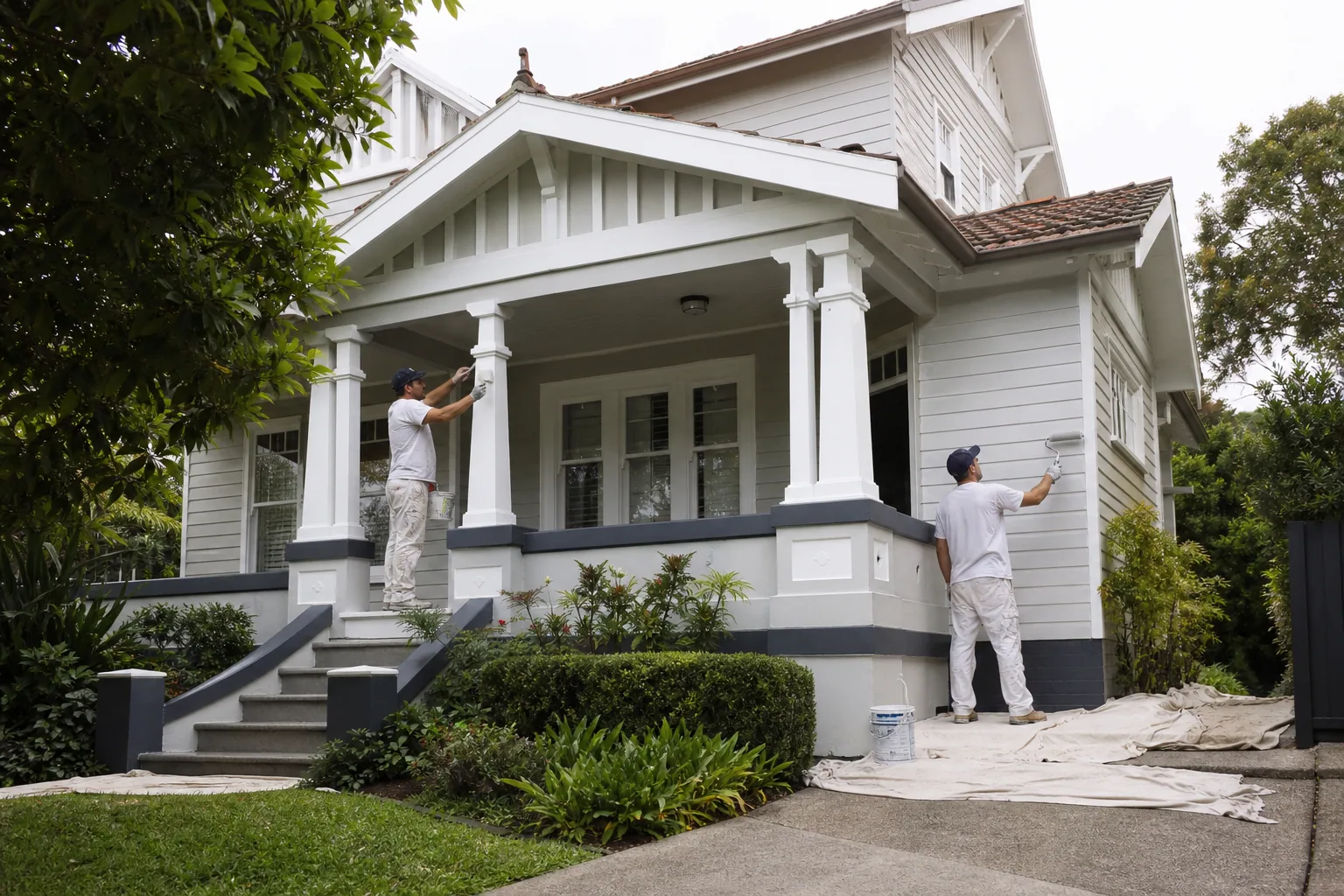
Mairangi Bay is a well-established East Coast Bays suburb known for its beach, cafe strip and family-friendly …
Painters in Mairangi Bay →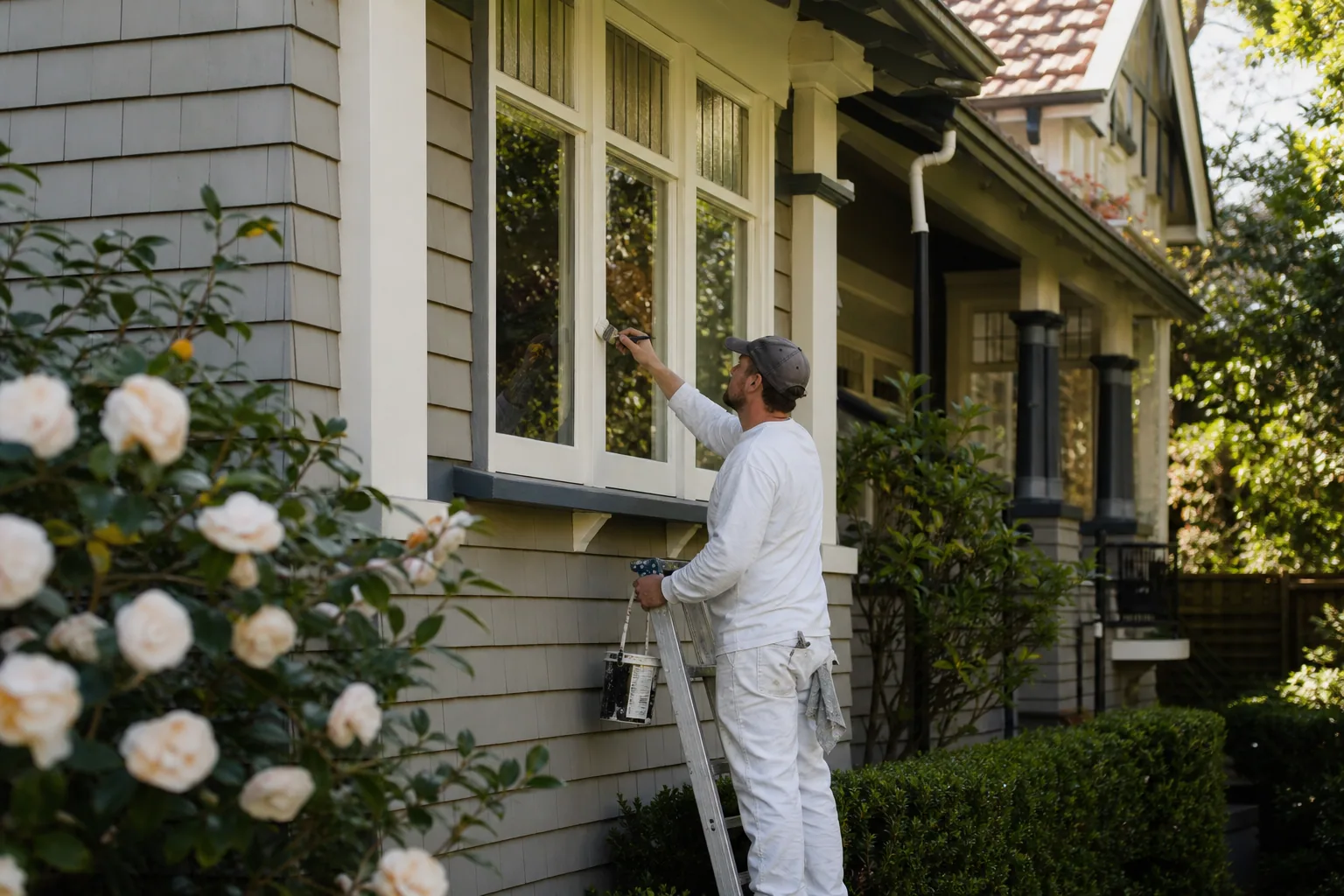
Forrest Hill is an established residential suburb inland from Milford, made up mainly of brick-and-tile and we…
Painters in Forrest Hill →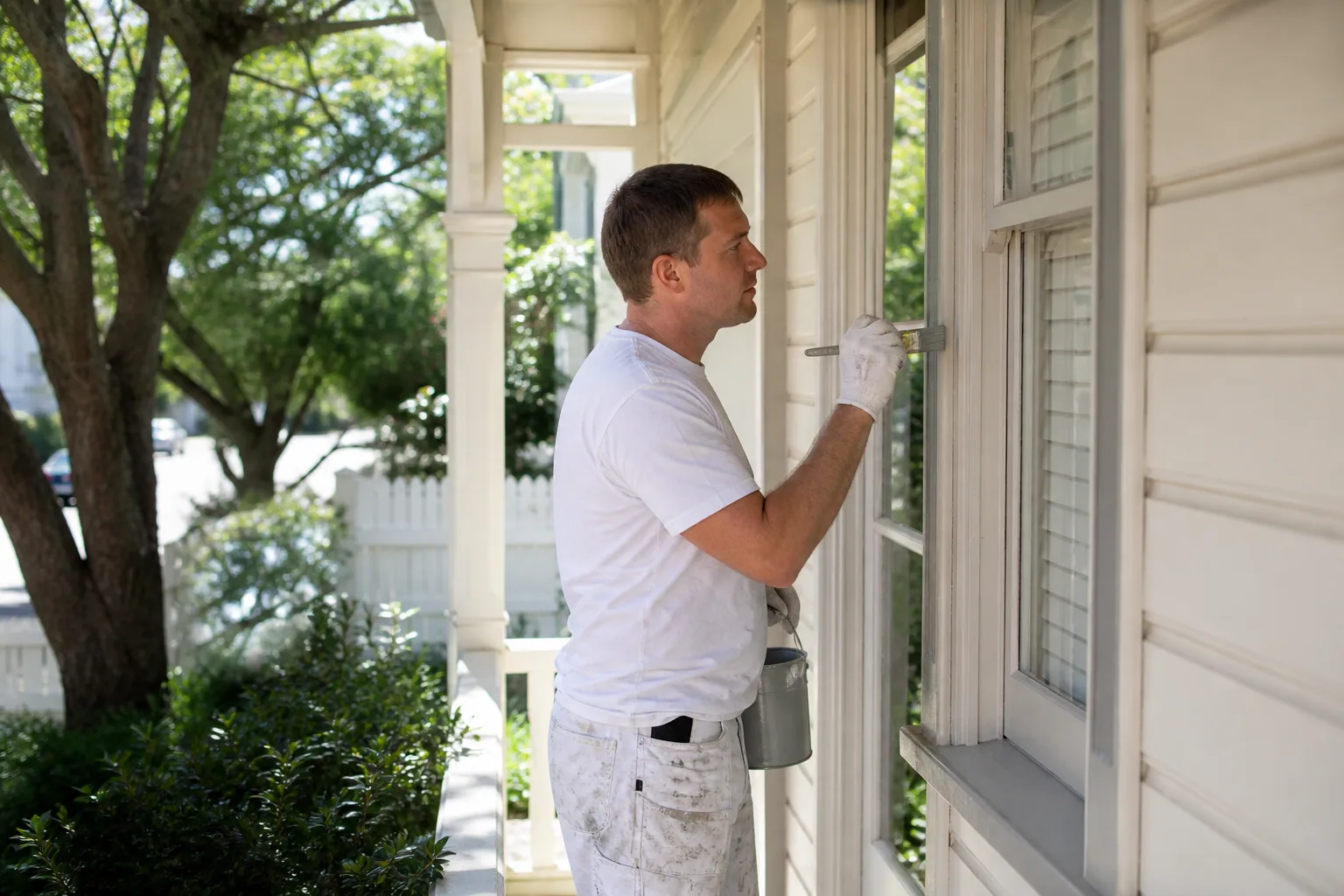
Hillcrest is a small, low-key residential suburb between Glenfield and Sunnynook, made up mostly of family hom…
Painters in Hillcrest →Whether it's a single room or a full property, we bring the same careful preparation to every brick painting job.
Get in touch today for a free, no-obligation quote — we're happy to talk through the scope before you commit to anything.