Exterior House Painting
Exterior painting that protects North Shore homes from sun, rain and salt air, on any surface.
Explore service →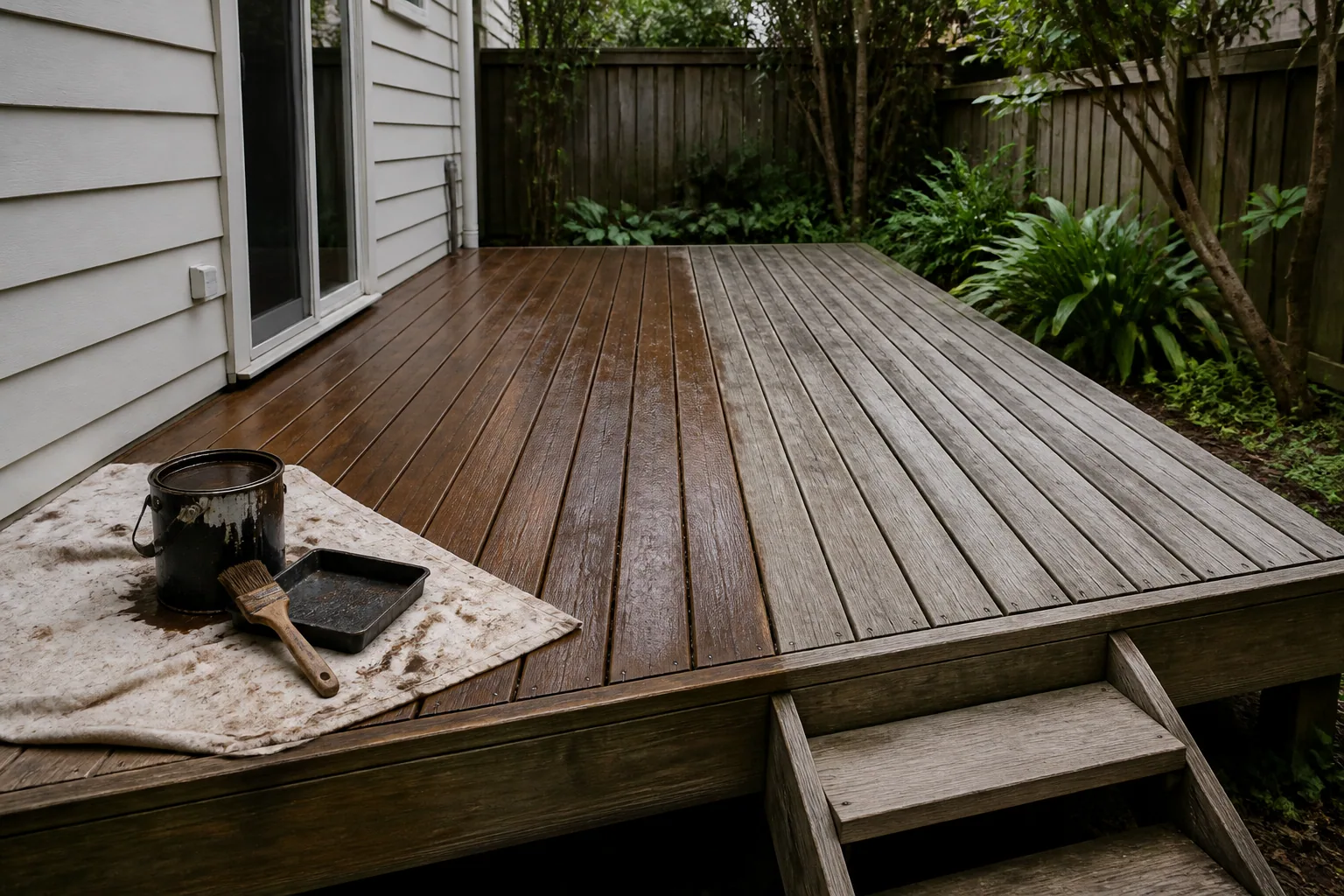
Service
Cleaning, repairing and recoating timber decks so they hold their colour and stay safe underfoot.
Deck Painting Specialists
For Deck Painting North Shore, careful preparation, a suitable coating system and a clearly defined quotation shape the project.
A timber deck takes a harder hit from the weather than almost any other painted surface on the property, simply because it's walked on as well as rained on. Direct sun, foot traffic and moisture rising from the ground all combine to grey, crack and lift coatings faster than on a vertical wall, and a deck that's silvered and splintering isn't just tired-looking, it can become a genuine slip or splinter hazard underfoot.
Our deck painting service starts with a proper clean and inspection to check for rot, movement or loose boards, followed by sanding or stripping of failed coatings before new paint or stain goes on. We look at the whole structure - boards, bearers, posts and any built-in steps - so the finished result is consistent rather than patchy.
Whether it's a pool deck that's lost its colour or an entertaining deck that's due for its next recoat, the aim is a durable finish that holds up to being walked on, sat on and rained on, not just something that looks good until the first wet season.
Who this is for: This service suits homeowners with timber decks around the house or pool that have faded, greyed, cracked or started flaking. It's relevant for entertaining decks, pool surrounds and decked outdoor living areas, as well as timber steps and stair treads leading off a deck, across North Shore properties.
A quick look at what's covered when you book this service.
We inspect the deck for rot, structural movement and loose fixings before any cleaning or coating begins. This assessment identifies problems that need addressing first, rather than painting over developing timber damage.
High-pressure cleaning removes dirt, algae and old flaking coating, giving the deck a clean, stable surface to work from. This step is essential preparation, not an optional extra, before any sanding or coating takes place.
Decking boards and any structural timber are sanded to remove old coatings and smooth the surface for the new one. Even, consistent sanding across the whole deck is what gives the final coating a uniform appearance.
Minor timber repairs and replacement of damaged boards are carried out where needed, addressing problems before they're coated over. This keeps the deck genuinely sound and safe underfoot, not just freshly painted.
A suitable primer or timber conditioner is applied to help the topcoat bond properly and last longer underfoot. This preparation step matters more on a deck than almost anywhere else, given the constant foot traffic and weather exposure.
The deck is coated with deck paint, stain or exterior enamel as chosen, using a product formulated for foot traffic rather than a standard wall paint. This choice affects how well the finish holds up over time.
Steps and handrails receive extra attention during coating, since these high-wear areas take more direct contact and wear faster than open deck boards. Getting these details right extends how long the whole deck looks good.
We check the finished deck for even coverage and let you know recommended drying and re-use times before handing it back. This advice helps you avoid damaging the fresh coating before it's had time to properly cure.
Here's what to expect from your first enquiry through to the final coat.
We check the condition of the deck, note any repairs needed, and discuss finish options before providing a written quote.
Decking is pressure washed to remove dirt and algae, sanded back where coatings have failed, and any damaged boards are addressed.
Primer or conditioner is applied where required, followed by the chosen paint or stain, with particular attention to high-wear surfaces like boards and steps.
We check coverage and finish across the whole deck and let you know recommended drying and re-use times before handing the area back to you.
A few of the things we weigh up when choosing the right product for this job.
Deck-specific coatings are formulated to handle foot traffic better than standard exterior wall paint, which isn't designed for the constant contact a deck surface receives. Choosing a genuine deck product matters more here than almost any other exterior surface.
Some finishes add slip resistance, which matters around pool decks and steps that regularly get wet. This is worth discussing for any deck area where water underfoot is a realistic, ongoing concern rather than an occasional event.
Semi-transparent stains let timber grain show through while still offering UV protection, giving a more natural look than a solid coating. This suits decks where the timber's natural character is part of the appeal.
Solid, opaque coatings hide ageing timber and old repairs more effectively than a stain, which can be useful on a deck with a patchy repair history. This trade-off is worth weighing against the more natural look a stain provides.
Breathable coatings help prevent moisture becoming trapped in ground-level timber, which is more exposed to rising damp than elevated decking. This matters particularly for decks built close to the ground or in shaded, damp-prone positions.
Darker deck colours can get noticeably hotter underfoot in direct summer sun, which is worth factoring into colour choice for decks used barefoot. Lighter tones stay cooler, though this needs balancing against the overall look you're after.
What to expect in terms of timing and access while the work is underway.
Deck work is largely confined to outdoor areas, so it generally has little impact on life inside the house, though the deck itself will be out of use while cleaning, sanding and coating take place. Pool decks may need to stay off-limits for a period while coatings cure, and pets or children may need to be kept away from freshly coated timber until it's dry.
A few reasons homeowners and property managers choose not to DIY this job.
Soft, rotten or structurally moving boards need identifying before any coating goes on, not hidden underneath one. We check the deck properly during inspection, flagging anything that needs repair or replacement rather than painting straight over a developing problem.
Large horizontal deck areas need consistent sanding and preparation from one end to the other, or the finish will read as patchy once coated. We work methodically across the whole surface rather than treating some sections more carefully than others.
A deck coating needs to handle constant foot traffic and outdoor exposure in a way that standard exterior wall paint simply isn't designed for. We choose deck-specific products suited to how the space is actually used.
Preparing and coating a deck near a pool or a set of steps means working carefully around slippery surfaces and drop-offs. We take the right precautions so the job gets done safely without unnecessary risk around water and edges.
Replaced boards can stand out against older, weathered timber if they're not primed and coated to match. We work to bring old and new sections together into one consistent finish, rather than leaving an obvious patchwork look.
Knowing when it's actually safe to walk on a freshly coated deck again matters as much as the painting itself. We give you clear, realistic timing for foot traffic and furniture, based on the specific product used.
Straight answers to the questions we're asked most often about deck painting.
Grey, silvered timber is caused by UV breaking down exposed wood fibres. A quality UV-resistant deck coating slows this process, but decks in full sun will still need recoating more often than shaded areas - regular light maintenance helps extend the time between full repaints.
This depends on the specific coating used and the weather, but deck coatings generally need a short curing period before regular foot traffic, and longer again before furniture or heavy use - we'll give you specific timing once the coating is chosen.
There are deck coatings and additives designed to improve slip resistance, which can be worth discussing for pool surrounds, steps and other areas that get wet regularly.
In most cases, yes - individual split, warped or rotten boards can be replaced as needed while the rest of the deck is cleaned and recoated, so you're not paying to replace the whole deck unnecessarily.
It depends on the look you're after and the timber's condition - stains let the grain show through, while solid paint fully covers the surface and can better disguise ageing or previously repaired boards. We're happy to talk through the trade-offs for your specific deck.
Other services North Shore properties often combine with this one.
Exterior painting that protects North Shore homes from sun, rain and salt air, on any surface.
Explore service →Cleaning, repairing and repainting timber paling, picket and boundary fences so they hold their colour year-round.
Explore service →Protecting pergola posts, beams and rafters with a durable coating built for overhead sun and weather exposure.
Explore service →Thorough stripping and preparation of failed, multi-layered paintwork on older North Shore homes.
Explore service →A sample of the suburbs where we take on this kind of work.
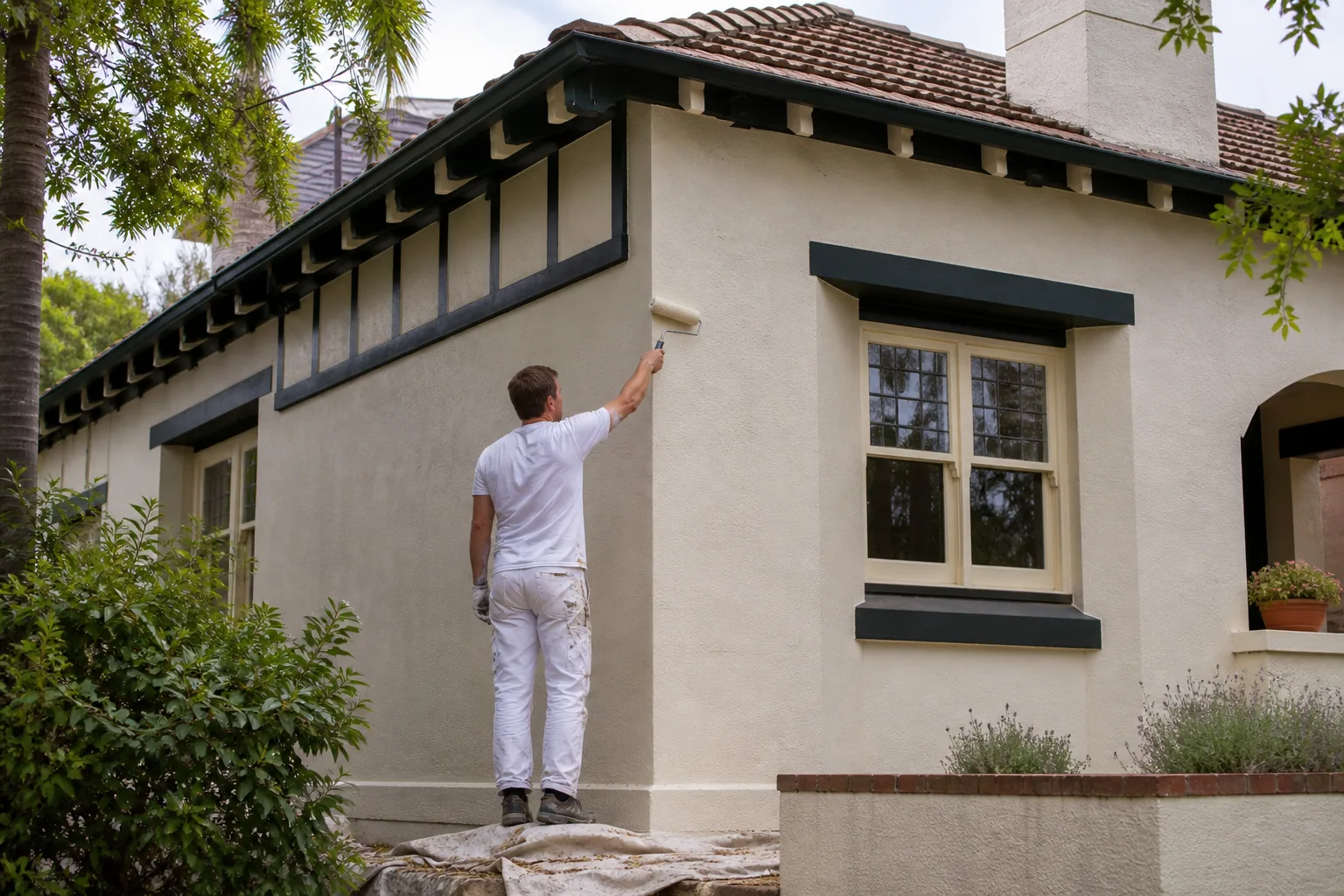
Stanley Point and Stanley Bay form a quiet residential peninsula just around from Devonport's village centre, …
Painters in Stanley Point / Stanley Bay →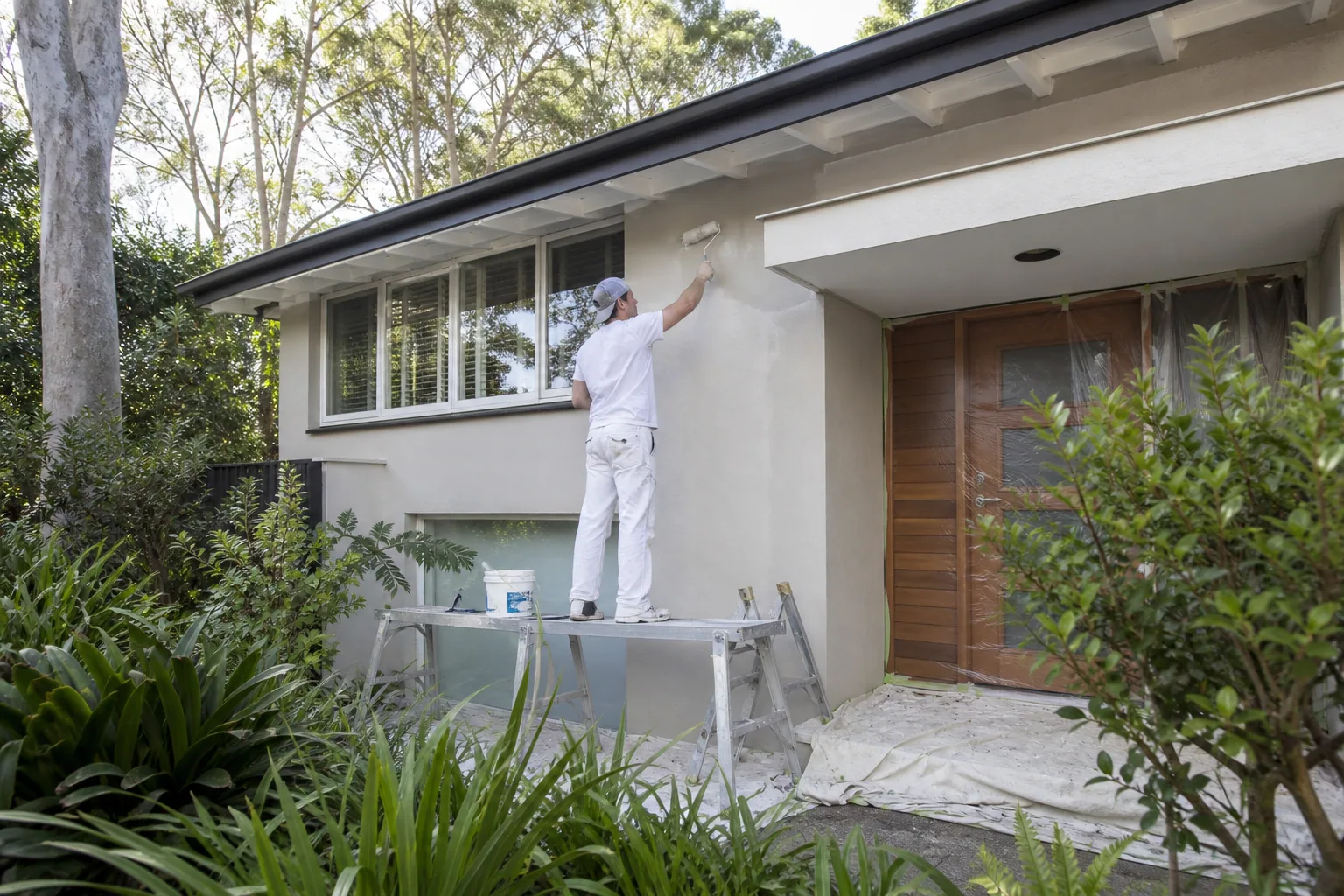
Milford sits between Takapuna and Castor Bay, built around a small boutique shopping village, a beach and a ma…
Painters in Milford →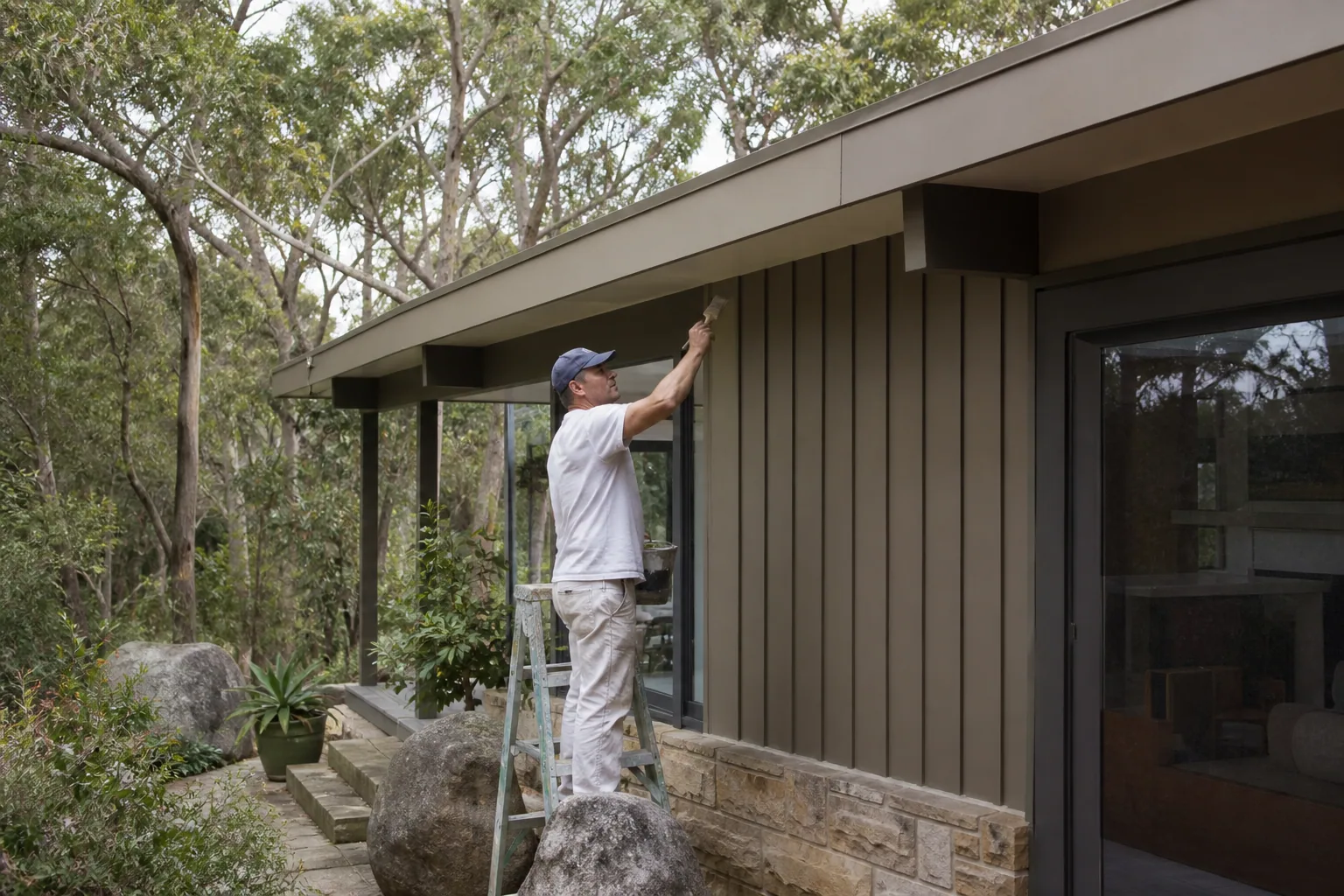
Campbells Bay is one of the smaller East Coast Bays suburbs, with a mix of older beach houses — some dating ba…
Painters in Campbells Bay →Whether it's a single room or a full property, we bring the same careful preparation to every deck painting job.
Get in touch today for a free, no-obligation quote — we're happy to talk through the scope before you commit to anything.