Exterior House Painting
Exterior painting that protects North Shore homes from sun, rain and salt air, on any surface.
Explore service →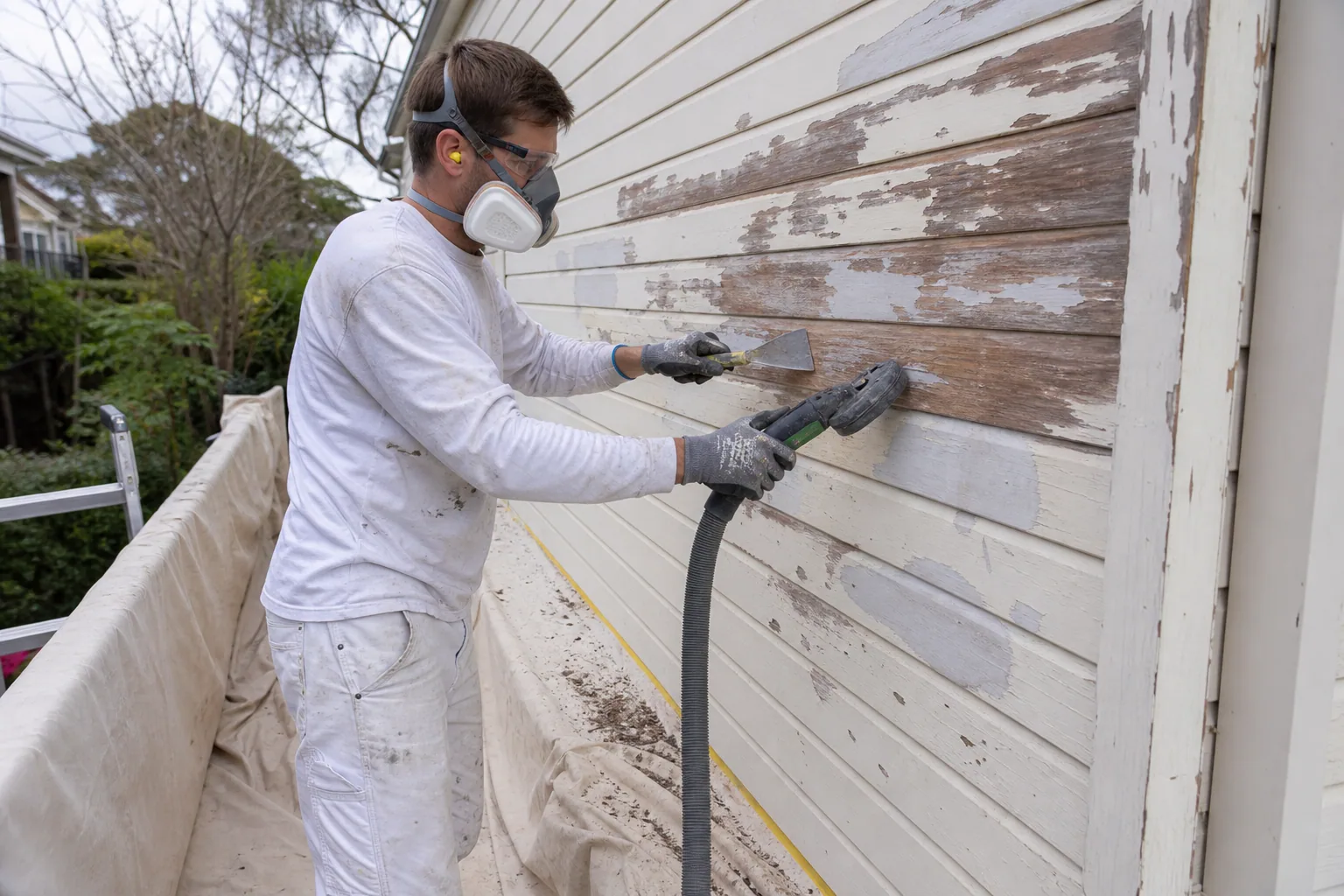
Service
Thorough stripping and preparation of failed, multi-layered paintwork on older North Shore homes.
Paint Stripping & Preparation Specialists
For Paint Stripping & Preparation North Shore, careful preparation, a suitable coating system and a clearly defined quotation shape the project.
Many of the North Shore's older homes have been painted and repainted many times over the decades, and in some cases the paint itself has become the problem - multiple layers cracking and separating, bubbling coatings, or timber and render so heavily built up with old paint that new coats simply won't sit properly. In these situations, painting over the top rarely gives a lasting result.
Paint stripping and surface preparation is about getting a surface back to a stable, sound base before any new coating is applied. Depending on the surface and the extent of the problem, that might mean heat, chemical strippers, sanding, or a combination of methods, followed by appropriate priming to seal and stabilise what's left. For homes built before the early 1970s, this can include managing old paint layers that may contain lead, which calls for careful, lead-safe work practices rather than aggressive sanding that creates dust.
This service is often the first stage of a larger repaint on an older property, giving the new paint system a genuinely sound surface to bond to, rather than papering over years of built-up coatings.
Who this is for: This service suits owners of older North Shore homes - particularly those built before the 1970s - where existing paintwork is failing extensively, has built up in many thick layers, or needs to be fully removed before a repaint. It's also relevant for heritage-style joinery, timber doors and window frames being restored, and any surface where paint has bubbled, cracked or delaminated badly.
A quick look at what's covered when you book this service.
We assess existing coatings and the likely age of the paint system before recommending a stripping approach. This helps identify how many layers are involved and whether the home's age raises any specific considerations.
Lead-safe work practices are discussed where the home's age warrants it, since paint on pre-1970s properties may contain lead. This conversation happens before any sanding or stripping begins, not as an afterthought.
Mechanical, heat or chemical stripping methods are chosen based on what suits the specific surface, rather than defaulting to whichever is quickest. This matching of method to substrate helps avoid damaging timber or render underneath.
Paint debris is carefully contained and cleaned up throughout the stripping process, limiting dust and mess beyond the immediate work area. This is especially important where lead-safe practices are required.
The stripped surface is sanded and smoothed to prepare it properly for priming, removing any remaining residue or unevenness. This step ensures the surface is genuinely ready, not just visually stripped.
Surface damage revealed during stripping, such as gouges or old repairs, is filled and repaired before moving on. Stripping often uncovers issues that weren't visible under the old paint, and we address them as they're found.
An appropriate sealer or primer is applied once the surface is confirmed stable, locking in the preparation work before topcoating. This step protects the effort already put into stripping and repairing the surface.
We assess the surface's readiness for the next coating stage before considering stripping and preparation complete. This final check confirms the surface will actually hold new paint properly, not just look ready.
Here's what to expect from your first enquiry through to the final coat.
We inspect the surfaces involved, discuss the home's age and likely paint history, and provide a written quote for the stripping and preparation work required.
For pre-1970s homes, we talk through lead-safe work practices and containment measures before any stripping begins.
Old paint is removed using methods suited to the surface, debris is contained and cleaned up, and the surface is sanded and repaired ready for priming.
A suitable sealer or primer is applied to stabilise the prepared surface, and we confirm the area is ready for the next stage of painting.
A few of the things we weigh up when choosing the right product for this job.
Sealing primers help stabilise old, porous or previously bare surfaces before topcoating, giving a stripped surface something reliable to bond to. This step is what turns a stripped surface into one genuinely ready for new paint.
Ask your painter about lead-safe work practices for pre-1970s homes before any sanding or stripping begins, since older paint layers may contain lead. This conversation should happen upfront, not as an afterthought once work is already underway.
Different stripping methods suit different substrates - heat and chemical methods are common for timber, while mechanical methods often suit masonry. Choosing the right method for the surface avoids unnecessary damage to what's underneath the old paint.
A stable, well-primed surface matters more to long-term paint performance than the topcoat chosen, since even a premium paint will fail early over an unstable base. This is why proper stripping and priming form the foundation of a lasting result.
Some heavily built-up surfaces need staged sanding rather than a single pass to avoid damaging the substrate underneath multiple old paint layers. Rushing this process risks gouging timber or render that a more careful approach would have protected.
Containment sheeting suited to the stripping method chosen keeps debris from spreading beyond the immediate work area, which matters particularly where lead-safe practices are required. Proper containment is part of doing the job responsibly, not an optional extra.
What to expect in terms of timing and access while the work is underway.
Paint stripping tends to be dustier and more involved than a standard repaint, so expect the work area to be sectioned off, with dust sheets, containment barriers or specialist equipment used depending on the method and whether lead-safe practices are required. Access to the affected rooms or exterior areas may be limited for longer than a typical paint job, and it's common for stripping and preparation to be scheduled as a separate stage before painting begins.
A few reasons homeowners and property managers choose not to DIY this job.
Homes built before the early 1970s may have lead-based paint somewhere in their coating history, which changes how stripping should be approached. We assess the likely age and condition of existing paint before recommending a method, rather than sanding first and asking questions later.
Stripping old, built-up paint layers can generate significant dust and debris if it isn't properly contained. We follow appropriate containment and clean-up procedures throughout the process, so the work area doesn't spread mess further than necessary.
Heat, chemical and mechanical stripping methods each suit different substrates, and using the wrong one risks damaging timber or render underneath. We choose a method matched to the specific surface, rather than defaulting to whatever's quickest.
The goal is a stable, sound surface that will actually hold new paint long-term, not one that just looks fine on handover day. We check the result properly before considering the stripping and preparation stage complete.
Old paint waste, particularly where lead may be present, needs to be managed and disposed of appropriately rather than left for someone else to deal with. We handle this as a standard part of the job, not an optional extra.
Many older North Shore homes need proper stripping and preparation before a repaint will actually last. We treat this as a distinct, necessary stage in its own right, rather than rushing straight to a topcoat over an unstable surface.
Straight answers to the questions we're asked most often about paint stripping & prep.
Homes built before the early 1970s are more likely to have lead-based paint somewhere in their coating history, particularly on older trim, doors and window frames. If your home falls into this category, it's worth asking your painter about lead-safe work practices before any sanding or stripping begins.
Not always - the aim is a stable, sound surface, which sometimes means full stripping and other times means removing only the failing layers and feathering back to sound paint. We'll assess the surface and recommend the appropriate approach.
Standard sanding can create fine dust, which is a particular concern if older paint layers might contain lead. Depending on the home's age, alternative methods or added containment and dust control may be more appropriate than straightforward sanding.
Done correctly, no - but it does need the right method and a careful hand, since overly aggressive stripping can gouge timber or damage render. That's part of why proper assessment before starting matters.
It's often treated as a distinct first stage, especially on older homes, since the surface needs to be fully prepared and primed before topcoats go on - sometimes this happens as one continuous job, other times as separate stages depending on the extent of work.
Other services North Shore properties often combine with this one.
Exterior painting that protects North Shore homes from sun, rain and salt air, on any surface.
Explore service →Specialist preparation and repainting for timber weatherboard homes, built to handle moisture and movement.
Explore service →Painting and preparation for brick, render and masonry surfaces, addressing cracking and efflorescence before coating.
Explore service →Repairing cracked, damaged or water-stained plaster so walls and ceilings are sound before painting.
Explore service →A sample of the suburbs where we take on this kind of work.
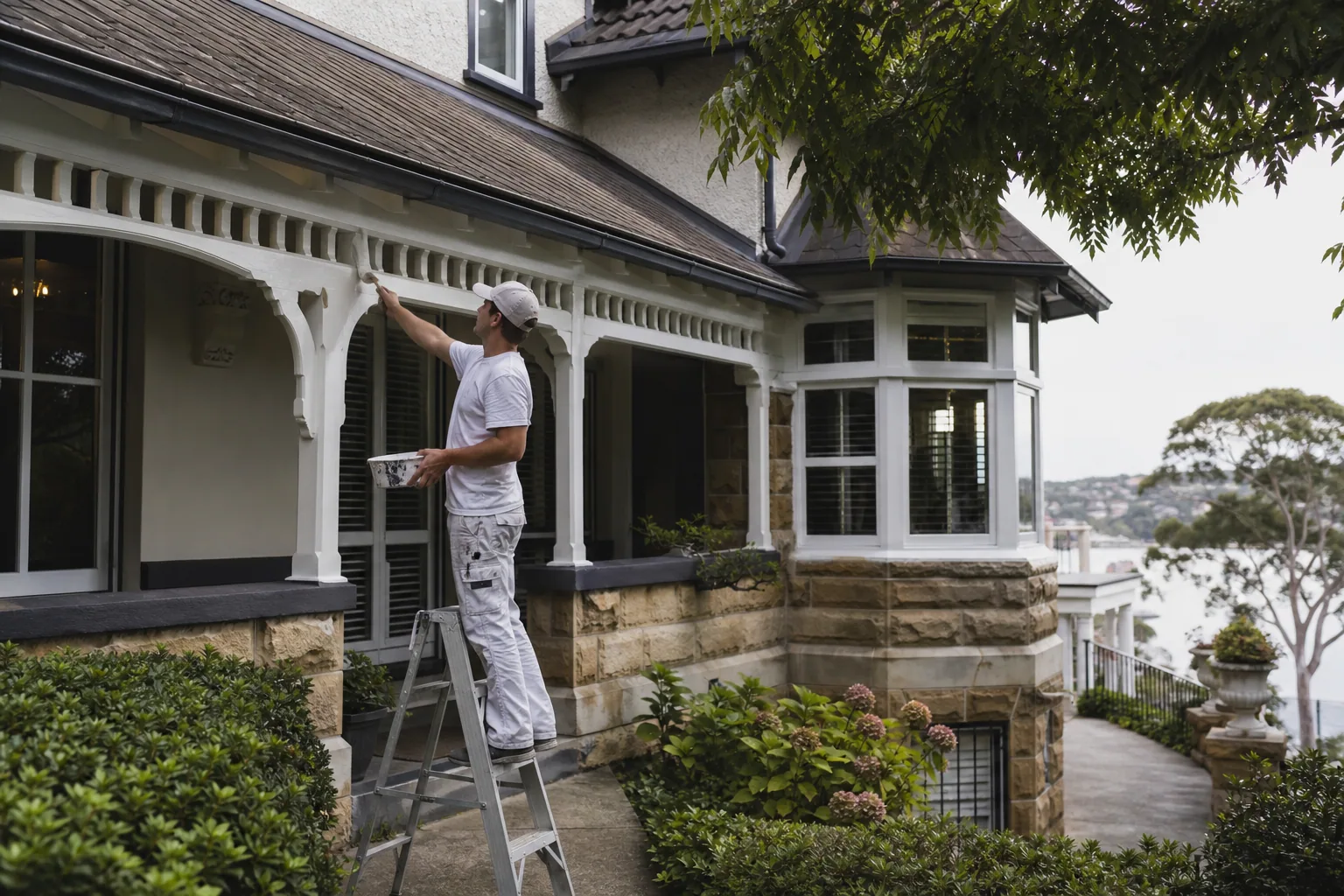
Devonport is one of Auckland's best-preserved heritage suburbs, with streets of Victorian and Edwardian villas…
Painters in Devonport →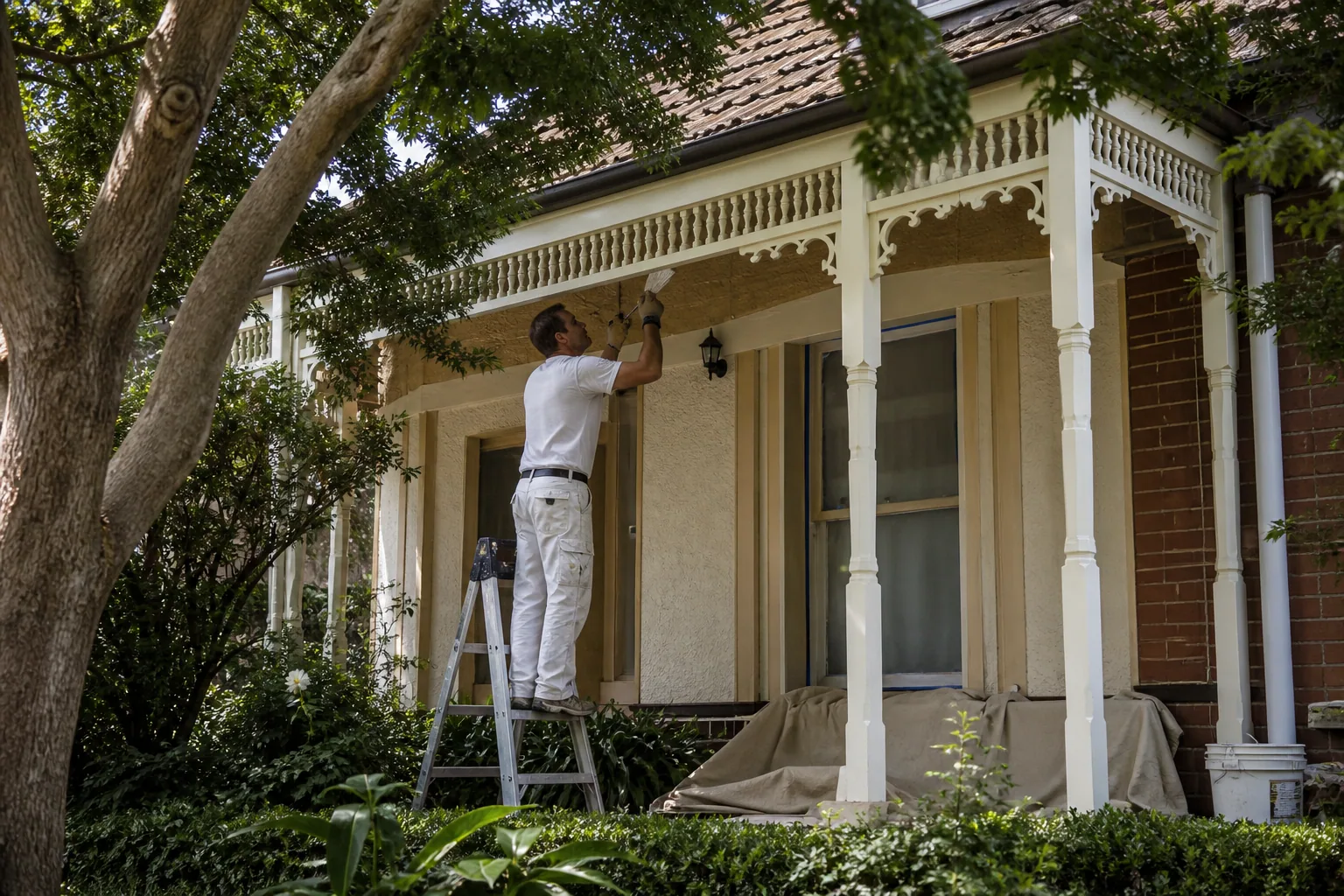
Glenfield is an established inland suburb built up mainly from the 1960s through the 1980s, with a genuine mix…
Painters in Glenfield →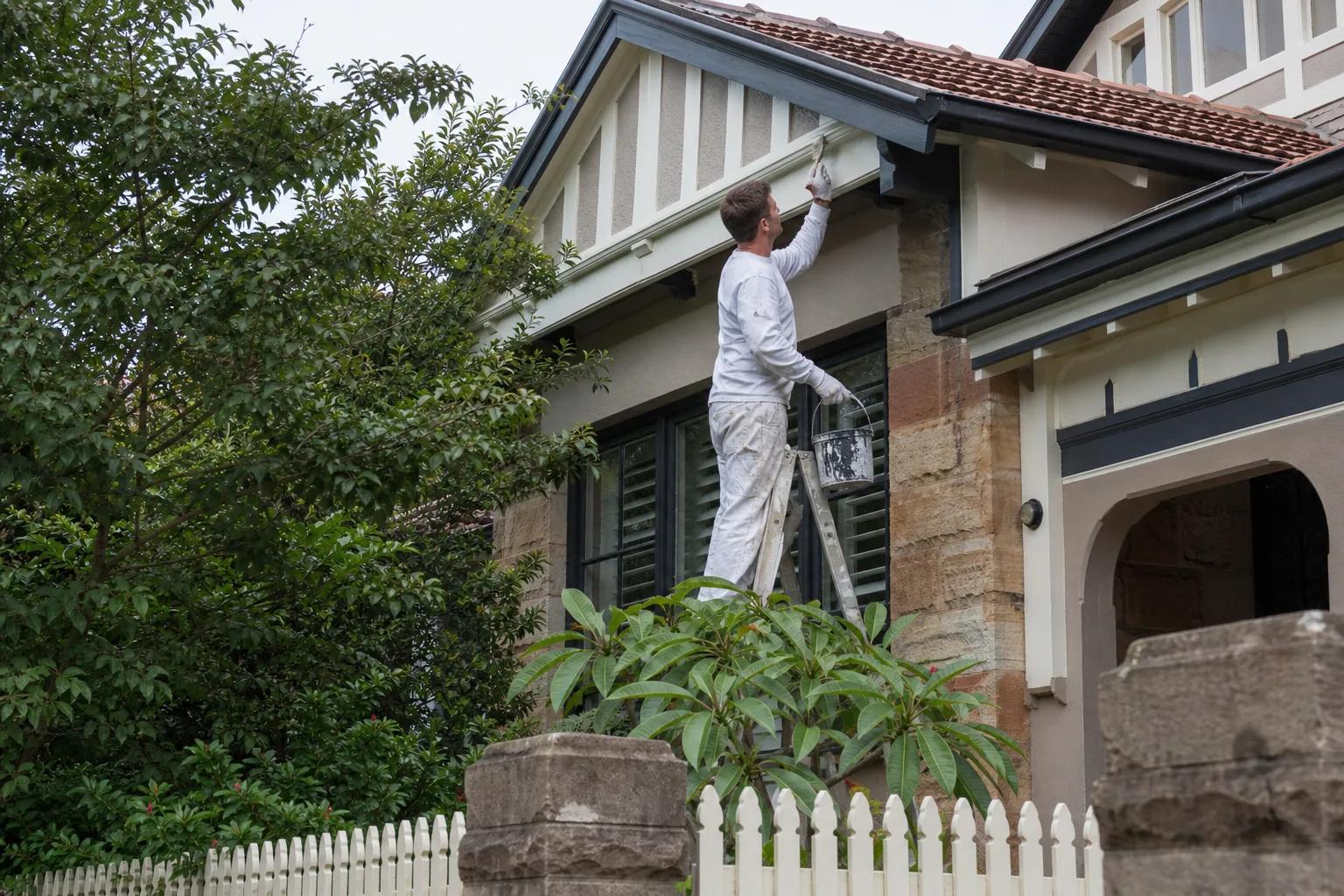
Birkenhead is a well-established, leafy suburb on the western side of the North Shore, known for its character…
Painters in Birkenhead →Whether it's a single room or a full property, we bring the same careful preparation to every paint stripping & prep job.
Get in touch today for a free, no-obligation quote — we're happy to talk through the scope before you commit to anything.