Resource guide — Updated 10 August 2026
House Painting Costs in Auckland
What actually moves a house painting quote up or down, without invented price ranges.
Auckland House Painting Costs
Auckland House Painting Costs
Our guide to House Painting Costs in Auckland explains the preparation, access and finish choices that influence a useful quotation.
Why Every Painting Quote Looks Different
No two homes on the North Shore present the same painting job, even if they look similar from the street. A quote reflects the specific mix of size, existing condition, access, and finish chosen for that particular property, rather than a fixed rate that applies to every house of a given size.
This is why homeowners often compare notes with a neighbour or friend and end up confused about why their quotes differ so much. Once you understand the variables below, the gap starts to make sense, because small differences in scope or condition compound quickly across a whole house.
Surface Area, Number of Coats and Scope
The total area to be painted, including walls, ceilings, eaves, gables and trim, is the starting point for any quote. But area alone doesn't tell the whole story, because the number of coats required matters just as much. A straightforward recoat in a similar colour may need one solid coat over sound paint, while a full colour change, bare timber, or a repaint over a patchy previous job can require two full coats plus a primer.
Whether the job covers the whole house or just specific areas, such as a single elevation, a feature wall, or the trim only, also changes the scope significantly and should be spelled out clearly in the quote.
Surface Condition and Preparation Required
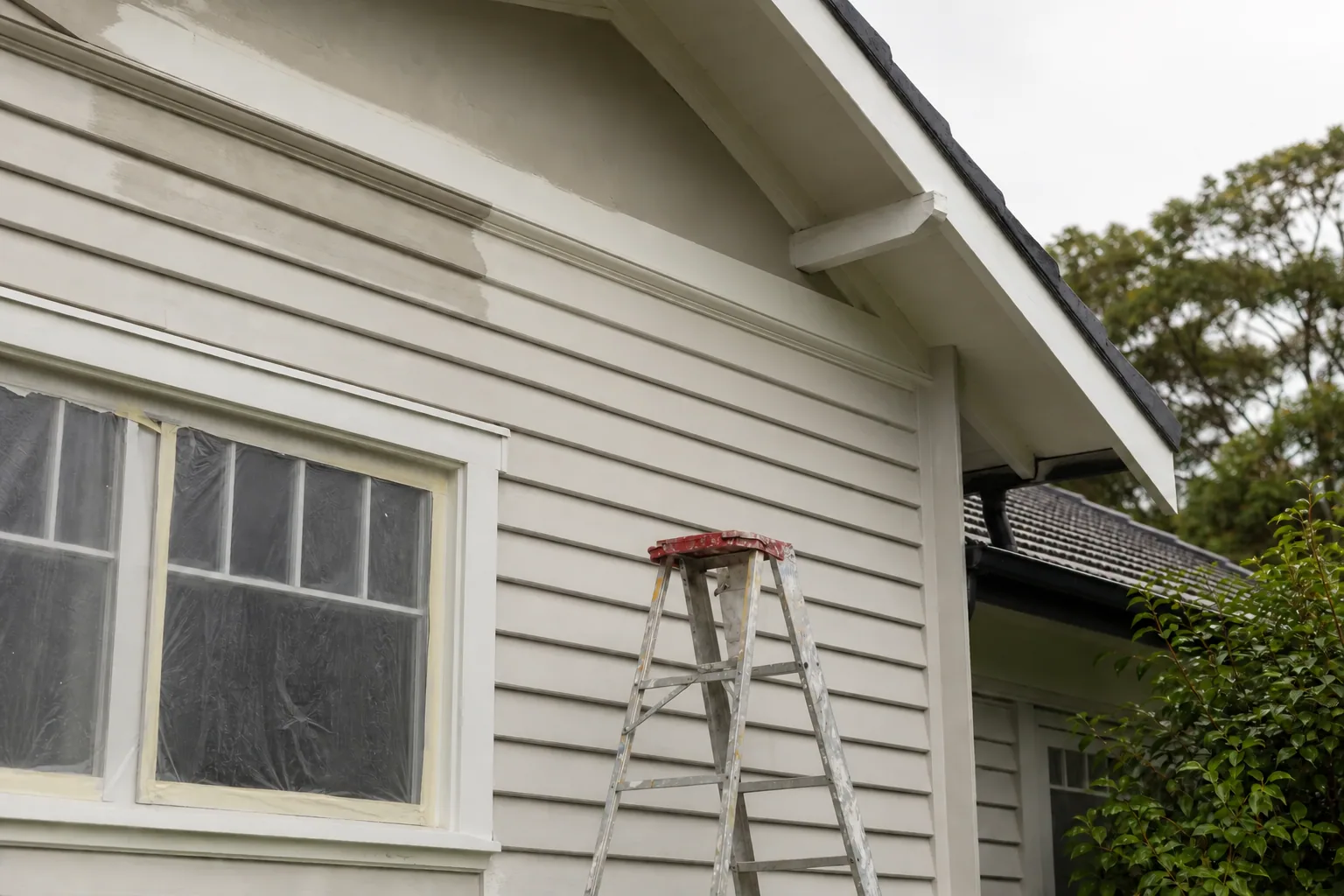
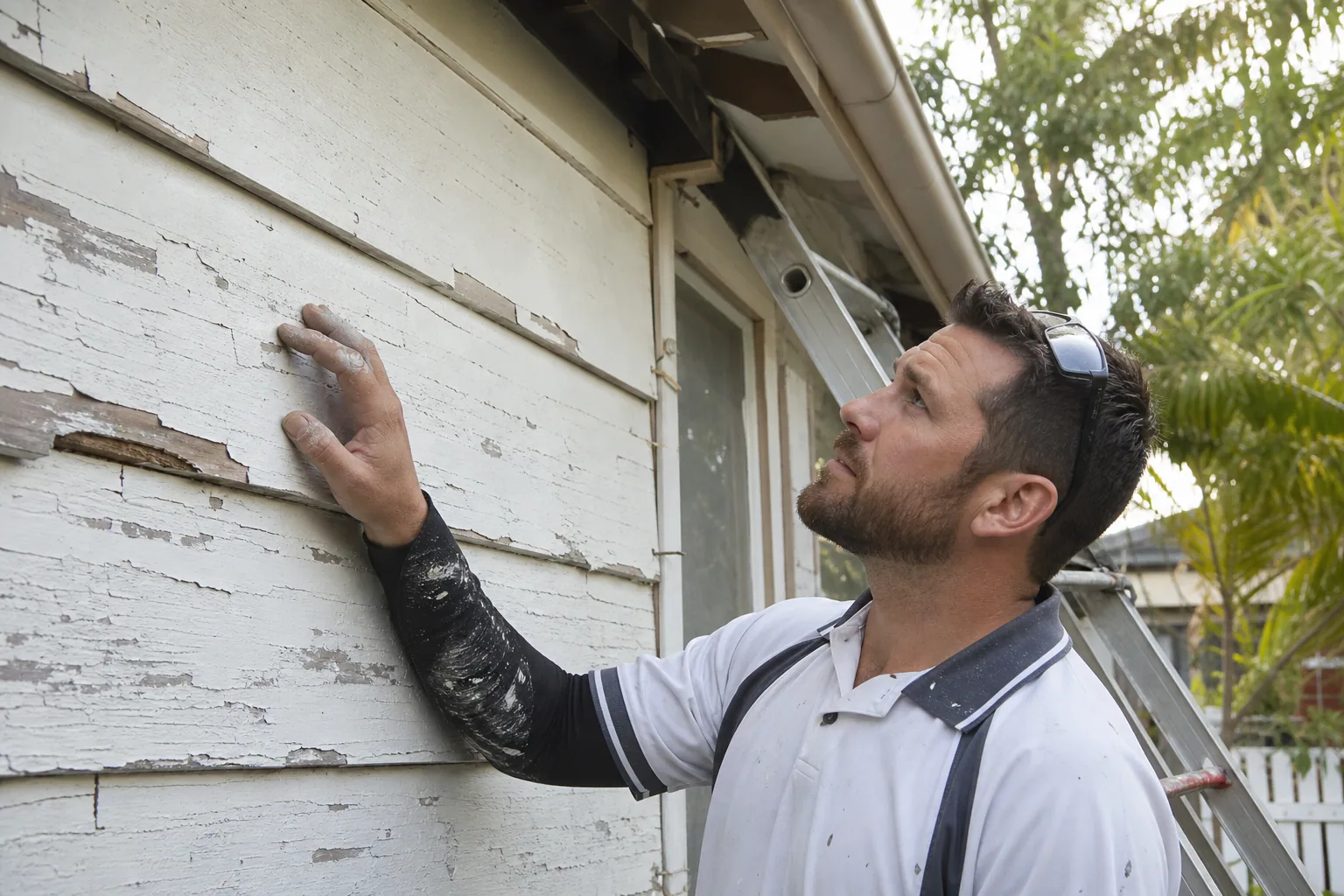
The condition of the existing paintwork has a bigger effect on the final number than most homeowners expect. A wall with sound, well-adhered paint needs a light sand and clean before topcoats go on. A wall with flaking, chalking or timber rot needs scraping, patching, spot priming and sometimes structural timber repair before any paint is applied at all.
Older homes, including many original weatherboard and fibro cement properties across the North Shore, often carry multiple layers of past paintwork and may need testing and careful handling if lead-based paint is suspected in pre-1970s coatings. This preparation work is usually where the real variation in a quote comes from, far more than the paint itself.
Access, Height and Site Complexity
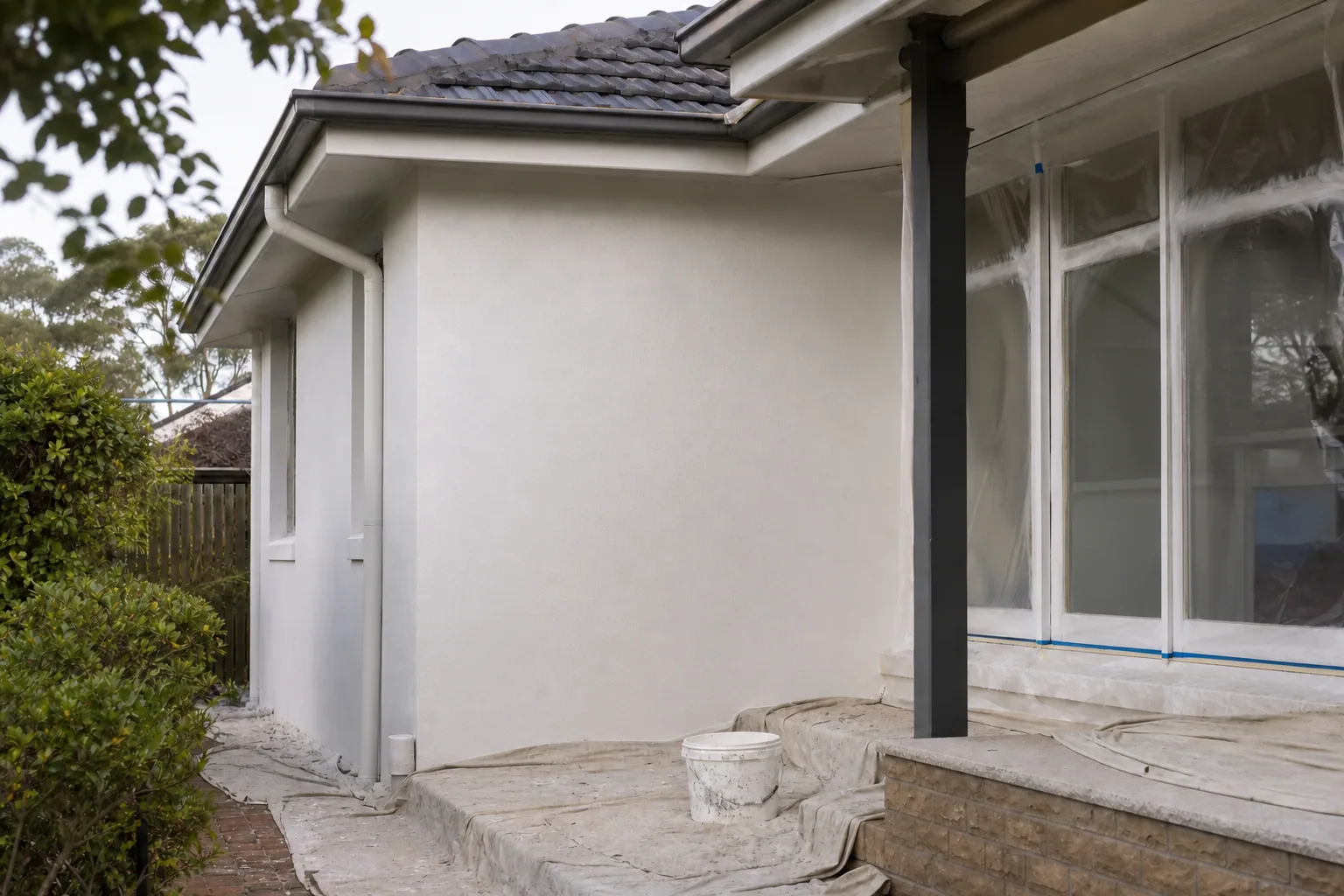
Single-storey homes on a flat, easy-access block are the simplest and fastest to paint safely. Add a second storey, a steep or sloping block (common across many North Shore suburbs), gable ends, dormer windows, or a second-floor balcony with awkward access, and the job requires more time, more safety planning, and sometimes scaffolding or an elevated work platform.
Site complexity also includes practical things like garden beds and established plantings close to the walls, pool fencing, narrow side access for equipment, and how much protection nearby surfaces need during the job.
Paint Quality, Colour Choices and Finish
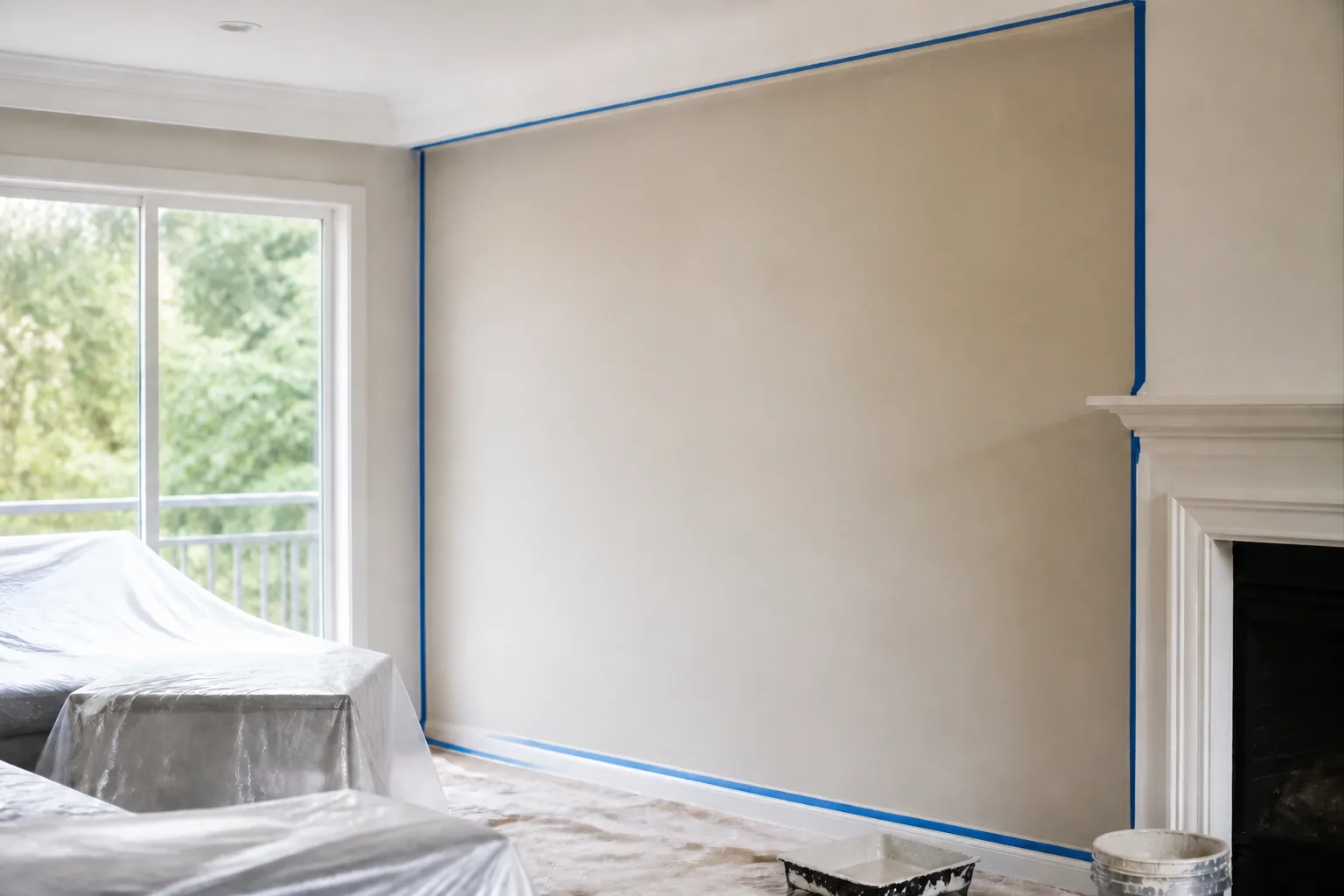
Paint ranges vary from budget trade-grade products through to premium exterior and interior systems, and the tier chosen affects both material cost and expected performance over time. Sheen level (flat, low-sheen, satin, semi-gloss or gloss) and the number of distinct colours used, including trim, feature walls and accent colours, also add cutting-in time that a single-colour job doesn't require.
Dramatic colour changes, particularly going from a dark existing colour to a light new one or vice versa, can sometimes need an extra coat or a tinted primer to achieve even coverage, which is worth discussing upfront.
Getting an Accurate Number for a Home
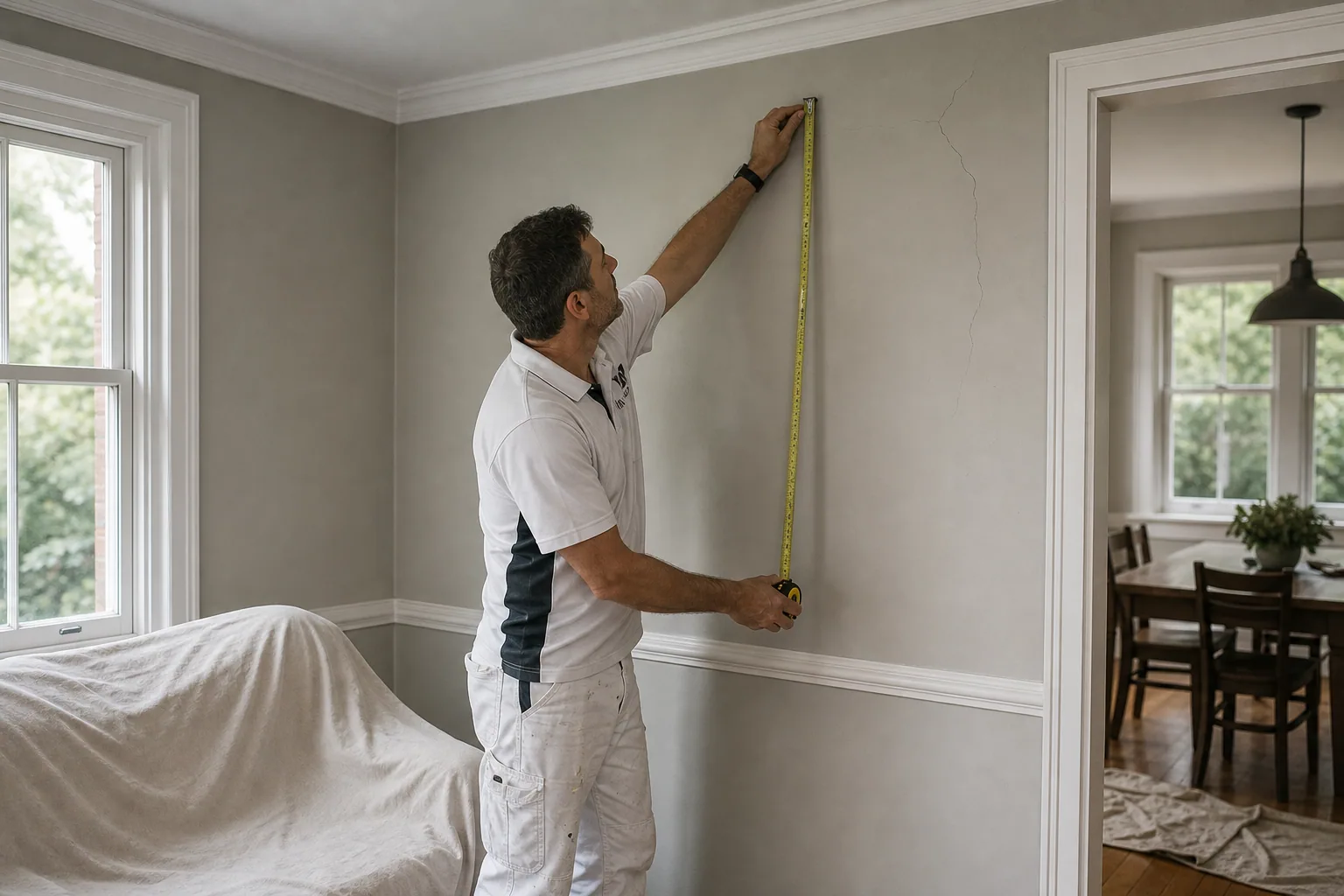
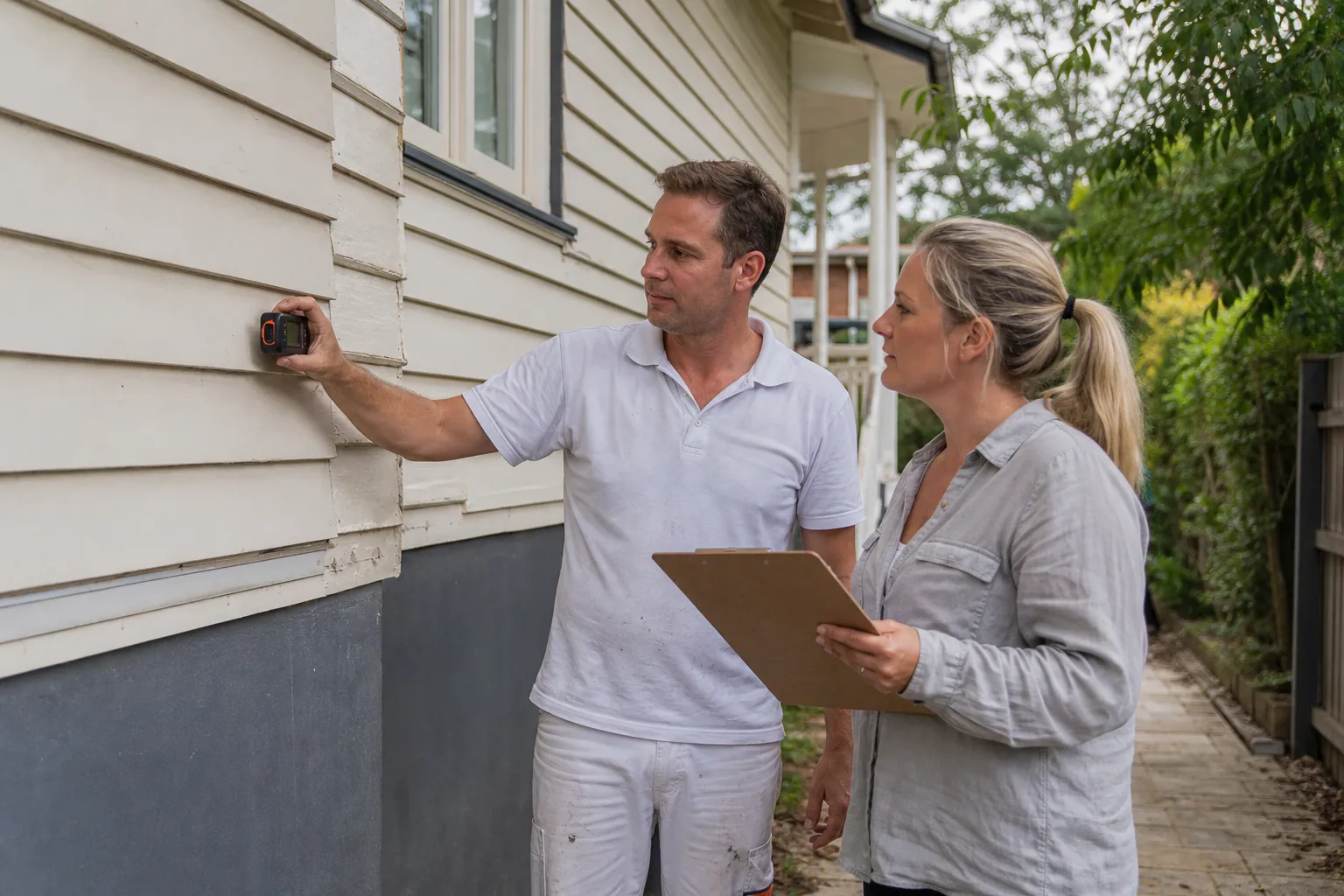
Because these variables combine differently on every property, any figure given without seeing the house is really just a guess. The only reliable way to get a number you can plan around is a proper on-site assessment, where a painter measures the actual areas involved, checks the condition of existing surfaces, discusses the finish you want, and accounts for access before putting anything in writing.
A free on-site quote lets you compare a real, itemised scope of work rather than a rough figure that may not hold up once the job actually starts.
Sources & further reading
Authoritative references for the safety, planning and product considerations discussed in this guide.
Frequently asked questions
Quick answers to follow-up questions on this topic.
Neither is inherently cheaper, because the cost depends on the specific job. Interiors often involve more individual surfaces per square metre, including ceilings, skirting, architraves and doors, while exteriors carry extra costs for access, height and weather-related preparation, so the comparison really comes down to the condition and scope of your particular home.
Most professional quotes are based on the total surface area and scope of work across the whole job rather than a flat per-room rate, since room size, ceiling height, trim detail and wall condition vary so much from one room to the next. A per-room estimate without measuring rarely reflects the real amount of work involved.
A phone or online estimate can give you a very rough idea, but it can't account for surface condition, access difficulties or the true area involved. An on-site inspection allows a painter to assess these details properly and provide a written quote that will actually hold up once work begins.
A proper quote should clearly list the areas or rooms covered, the number of coats, the preparation work included, the paint brand and product line to be used, what is specifically excluded, and an estimated timeframe. Comparing quotes on price alone, without checking that the scope is the same, is the most common way homeowners end up disappointed.