Exterior House Painting
Exterior painting that protects North Shore homes from sun, rain and salt air, on any surface.
Explore service →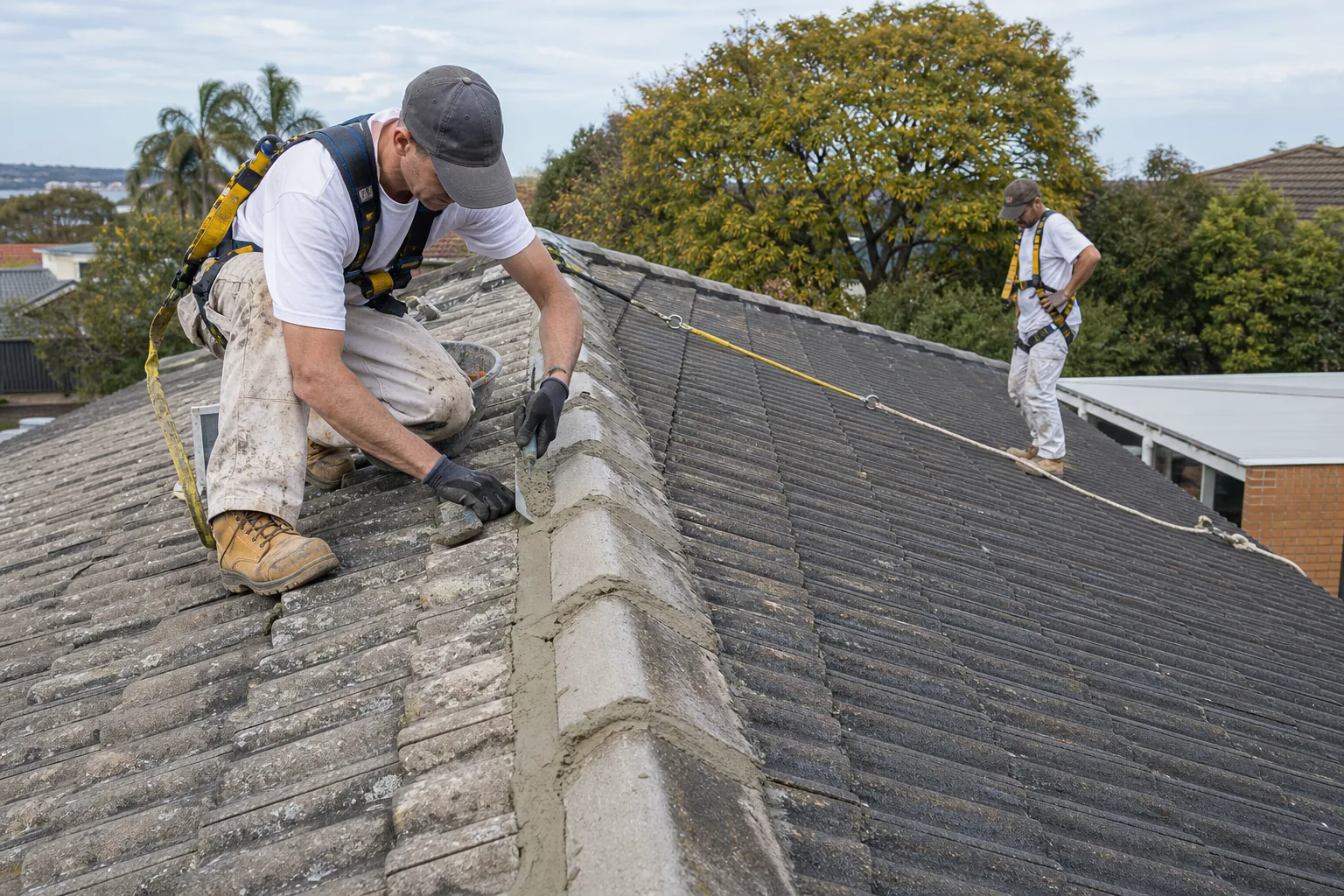
Service
Roof restoration combining tile and capping repairs with protective sealing to extend the roof's life.
Roof Restoration Specialists
For Roof Restoration North Shore, careful preparation, a suitable coating system and a clearly defined quotation shape the project.
Some roofs need more than a fresh coat of paint. Cracked tiles, deteriorating ridge capping, water stains appearing on ceilings, or a protective coating that's worn away completely are all signs that a roof needs proper restoration work before it's simply repainted over the top.
We carry out roof restoration for homes across the North Shore, combining physical repairs with protective sealing and coatings to get an ageing roof back into a sound, weather-resistant condition. The aim is to address what's actually wrong with the roof first, rather than covering problems with paint and hoping they don't resurface.
This is a more involved process than a standard roof repaint, and it typically starts with a proper inspection so you know exactly what condition the roof is in before any work is quoted.
Who this is for: This service suits homeowners with cracked or slipped tiles, deteriorating ridge capping, visible ceiling water stains, or a roof that hasn't been maintained in a long time. It also suits sellers wanting a roof properly assessed and restored rather than simply painted over existing damage.
A quick look at what's covered when you book this service.
A full inspection assesses the condition of tiles, ridge capping, valleys and flashing before any repair work is quoted. This gives a clear, accurate picture of what the roof actually needs rather than guessing from the ground.
High-pressure cleaning removes moss, lichen and grime built up over years of weather exposure, preparing the roof surface for repair and coating. A clean surface is essential for both accurate assessment and good coating adhesion.
Deteriorated ridge capping mortar is re-bedded and re-pointed as part of the restoration, addressing a common source of leaks on older roofs. This structural repair work happens before any sealing or coating stage begins.
Severely damaged tiles are replaced where required, rather than left in place and coated over. Addressing genuine damage first means the finished roof is actually sound, not just cosmetically refreshed.
A penetrating primer or sealer is applied to stabilise the prepared roof surface before topcoating. This step matters especially for older, more porous tiles that need extra help holding onto the coating above them.
Two coats of protective roof membrane coating are applied for durable, long-term weather resistance across the whole roof. This layered system gives better protection than a single coat, particularly on a roof that's had repair work done.
Gutters and valleys are cleaned out where accessible as part of the restoration, clearing debris that can trap moisture against the roof. This small but useful step supports the roof's performance after the main work is done.
A final waterproofing check confirms the roof is genuinely watertight before we consider the restoration complete. This last inspection is what separates a roof that looks finished from one that's actually ready for years of weather.
Here's what to expect from your first enquiry through to the final coat.
We carry out a full inspection of tiles, ridge capping, valleys and flashing to understand exactly what repair work is needed before any coating goes on.
You'll receive a written quotation that separates out repair work from the sealing and coating stage, so you can see what each part of the job involves.
Cracked tiles, ridge capping and other identified issues are addressed, and the roof surface is cleaned and prepared for coating.
A sealer and protective topcoat are applied, and we carry out a final check to confirm the roof is watertight and finished to a consistent standard.
A few of the things we weigh up when choosing the right product for this job.
Penetrating sealers suited to porous or aged tile surfaces stabilise the tile before any topcoat is applied, giving the coating something sound to bond to. This matters most on older roofs where the tile surface has become chalky or porous over time.
Flexible, waterproof membrane coatings give long-term weather resistance across a restored roof, holding up to Auckland's frequent rain better than a standard topcoat alone. This is a key part of what separates a restoration coating from a simple repaint.
Heat-reflective coatings help manage roof surface temperature, which can have a modest effect on heat entering the roof space during warmer months. This is worth factoring in alongside the primary goal of restoring a roof's protective coating.
Colour-stable pigments are intended to hold their appearance over time rather than fading or chalking within a few years, which matters given the investment involved in a full restoration. This helps the finished result stay looking fresh for longer.
Coatings are selected to suit the specific roof material and its current condition, since a roof that's had repair work done needs a product compatible with those repairs. This avoids adhesion problems between old and newly repaired sections.
Coatings compatible with re-bedding and re-pointing materials avoid adhesion issues between the repair work and the coating applied over it. Checking this compatibility is part of sequencing a restoration properly, rather than treating coating as an afterthought.
What to expect in terms of timing and access while the work is underway.
Roof restoration takes longer than a straightforward repaint because repair work needs to happen before any sealing or coating is applied. Expect noise from high-pressure cleaning and re-pointing work, roof access equipment and harnesses on site, and a schedule that depends on a run of dry weather for the coating stage to cure properly. If ceiling leaks are found during inspection, we'll talk you through the repair sequence before committing to a coating timeline.
A few reasons homeowners and property managers choose not to DIY this job.
Not every roof issue needs the same level of intervention, and telling a cosmetic problem apart from one that needs proper structural attention matters before any quote is written. We assess this properly rather than recommending more work than a roof actually needs.
Older or fragile roof surfaces need careful footing and the right access equipment, since aged tiles and capping can be more fragile than they look. We work safely across these surfaces without adding damage to a roof that's already due for repair.
Sealing or coating a roof before repairs are complete just traps problems underneath a fresh-looking surface. We sequence the work correctly, addressing tiles, capping and any other damage first, so the coating stage goes onto a genuinely sound roof.
Coating over unresolved damage can trap moisture underneath, leading to problems that are far more expensive to fix than if they'd been addressed properly the first time. We make sure the roof is actually ready before any sealer or topcoat is applied.
Different repair techniques, from re-bedding to re-pointing, need coatings that are compatible with what's underneath them. We choose products that work with the specific repairs carried out, rather than assuming any roof coating will do the job.
The point of a restoration is a roof you don't need to think about again for years, not one that looks fixed from the ground. We finish with a proper check to confirm the roof is actually watertight before calling the job done.
Straight answers to the questions we're asked most often about roof restoration.
Restoration includes repair work such as re-bedding and re-pointing ridge capping and addressing damaged tiles, whereas a standard repaint is a cosmetic recoat on a roof that's already sound.
We'll let you know what we've found and talk through the likely cause and repair approach before finalising the scope, so the coating stage isn't applied over an unresolved problem.
This depends on the extent of repairs needed, but restoration generally takes longer than a simple repaint because of the repair and curing stages involved. We'll give you a realistic timeframe after the inspection.
Yes, replacement of severely damaged tiles can be included where required, and this will be identified during the initial roof inspection.
General upkeep like keeping gutters clear and monitoring for any new damage helps a restored roof perform well over time. We're happy to talk through sensible maintenance habits once the work is finished.
Other services North Shore properties often combine with this one.
Exterior painting that protects North Shore homes from sun, rain and salt air, on any surface.
Explore service →Roof painting that refreshes faded tiles or metal roofing with a protective new coating.
Explore service →Repairing cracked, damaged or water-stained plaster so walls and ceilings are sound before painting.
Explore service →A sample of the suburbs where we take on this kind of work.
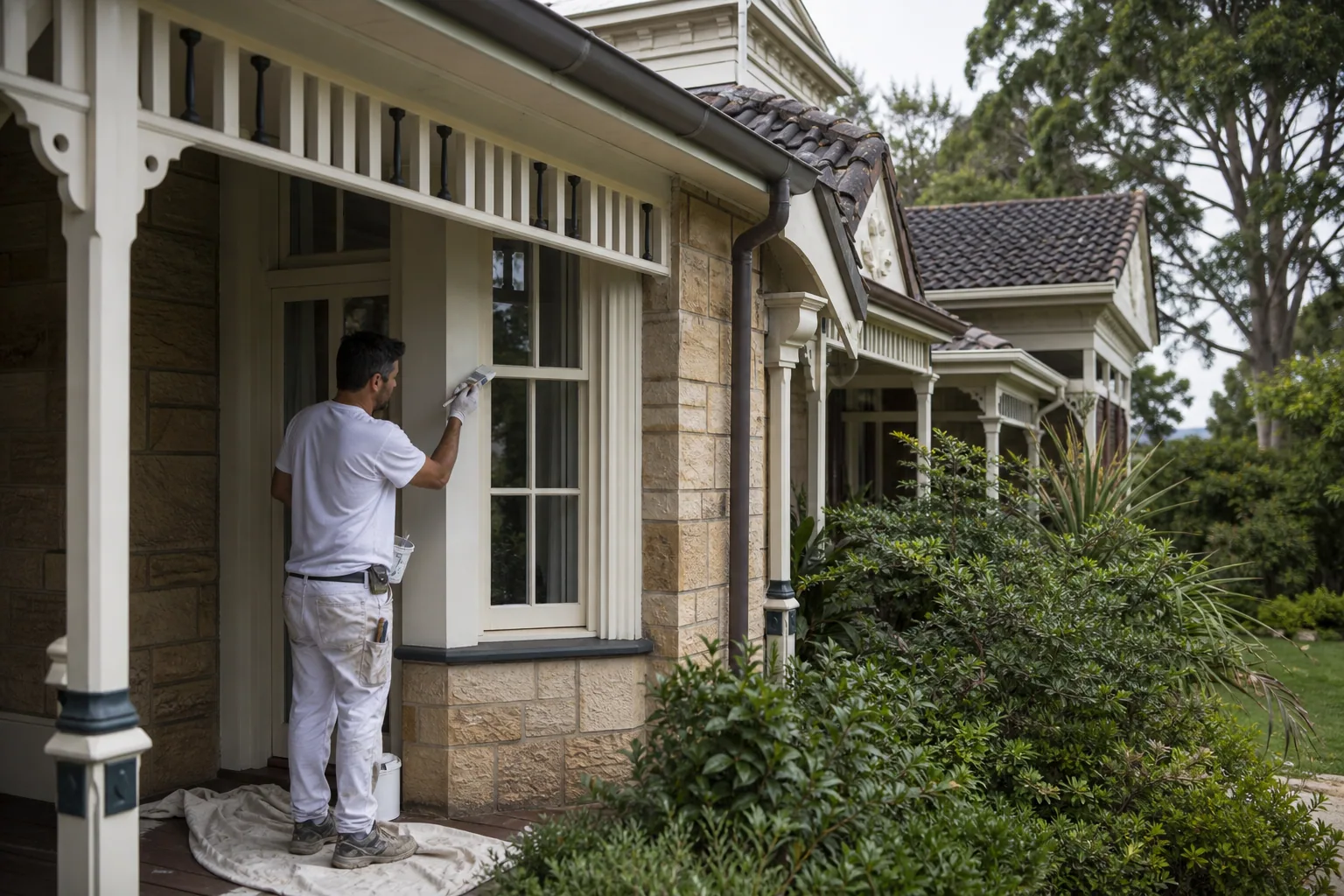
Long Bay is the northernmost of the East Coast Bays suburbs, best known for Long Bay Regional Park and its bea…
Painters in Long Bay →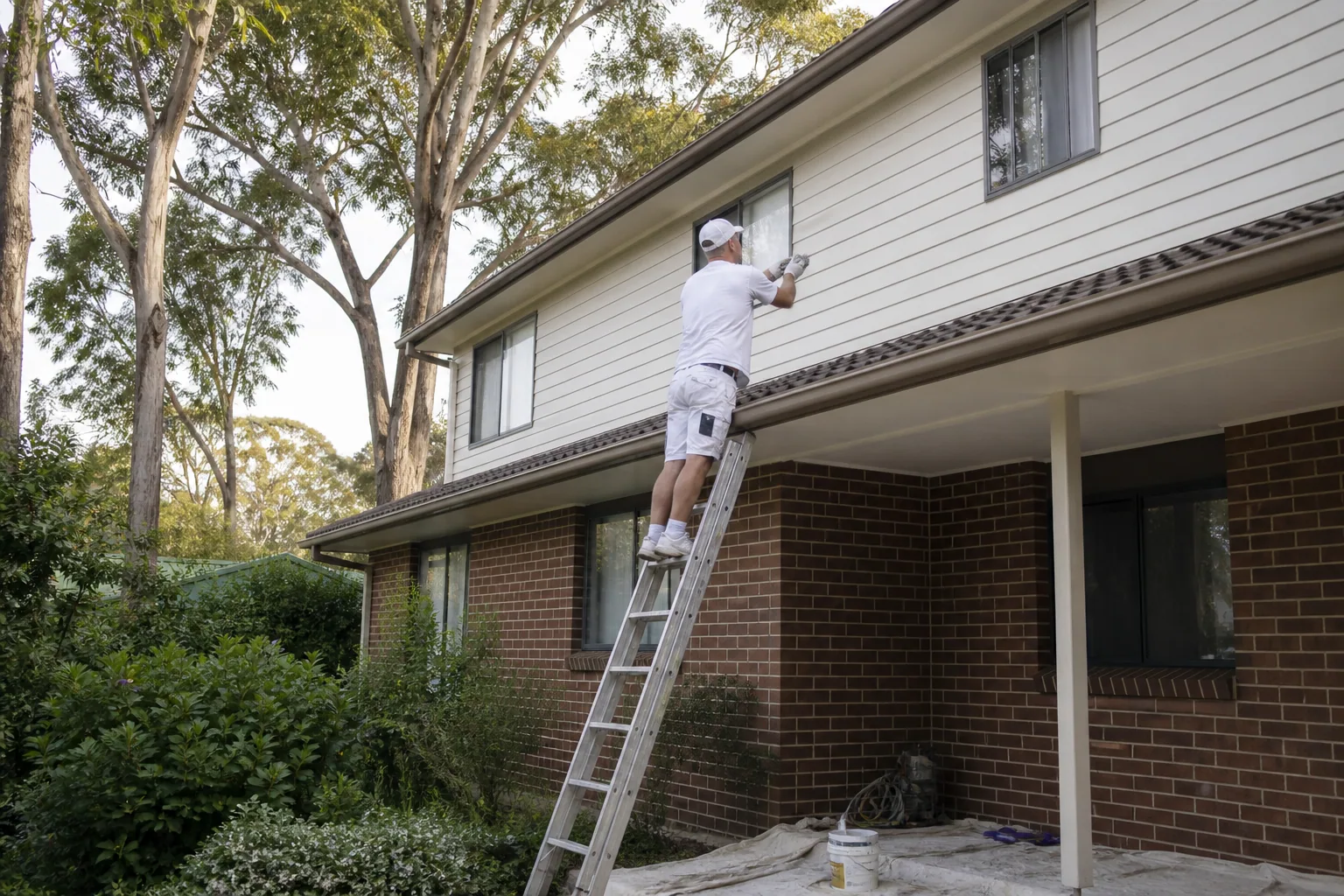
Torbay sits north of Long Bay and has a noticeably quieter, more semi-rural character than the busier East Coa…
Painters in Torbay →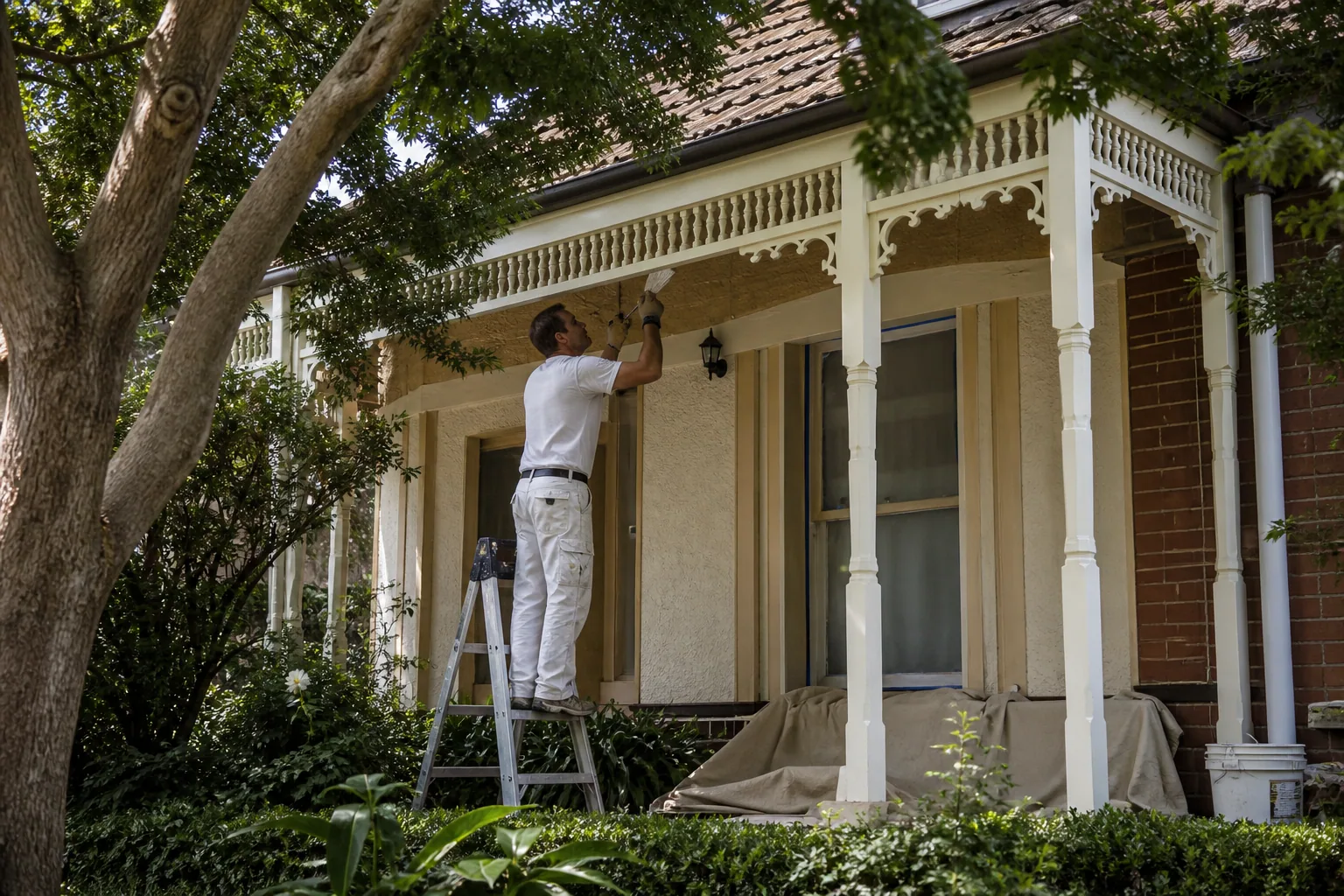
Glenfield is an established inland suburb built up mainly from the 1960s through the 1980s, with a genuine mix…
Painters in Glenfield →Whether it's a single room or a full property, we bring the same careful preparation to every roof restoration job.
Get in touch today for a free, no-obligation quote — we're happy to talk through the scope before you commit to anything.