Resource guide — Updated 10 August 2026
Roof Painting vs Roof Restoration
Roof painting and roof restoration fix different problems, here's which one you need.
Roof Coating Decisions
Roof Restoration vs Roof Painting
This Roof Painting vs Roof Restoration comparison helps you separate a coating project from repair work that needs a broader restoration scope.
The Core Difference
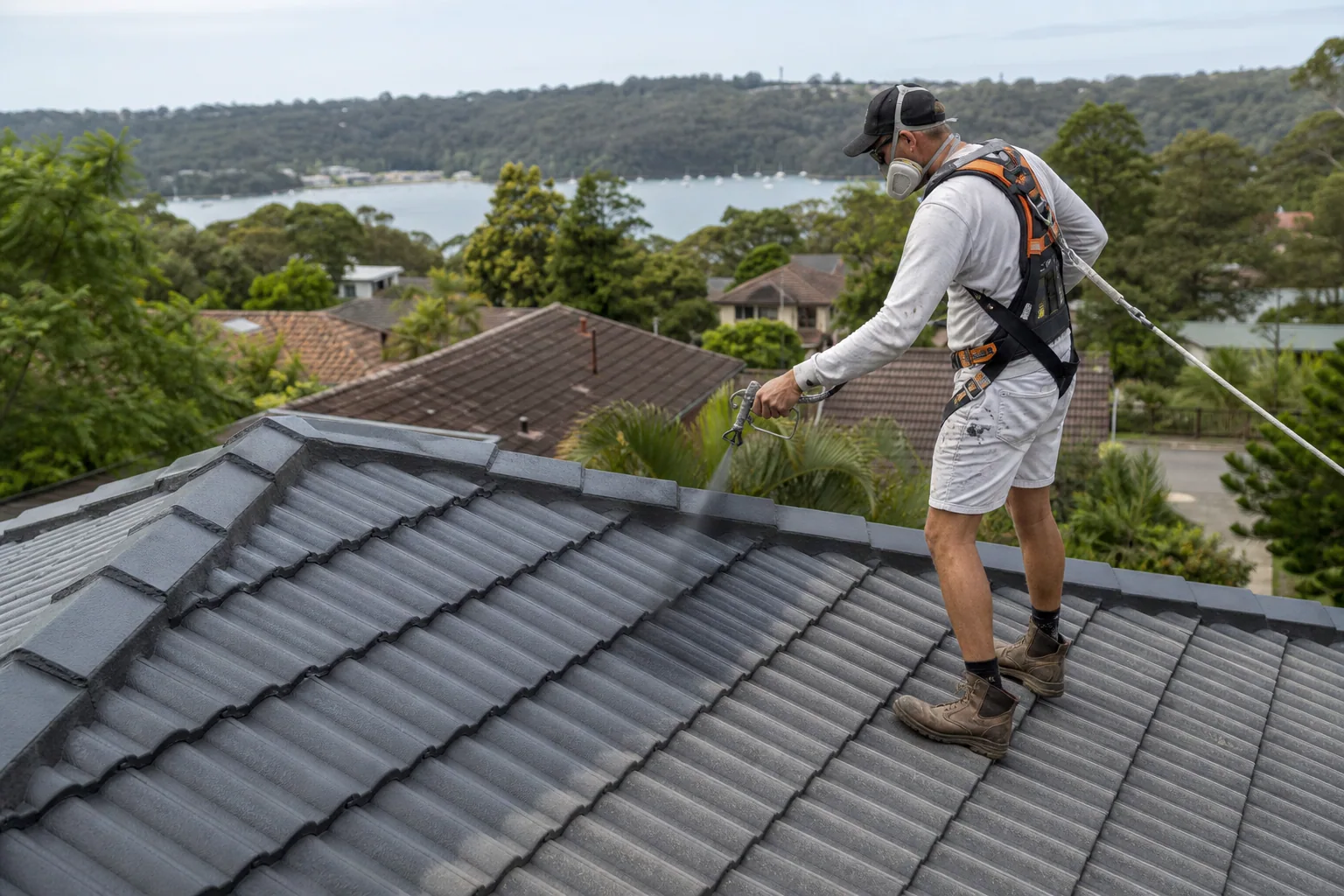
Roof painting is largely a cosmetic recoat: cleaning the roof and applying fresh coats of paint over a surface that is otherwise sound. Roof restoration is a more involved process that combines repair work with recoating, addressing problems in the roof itself, such as cracked or broken tiles, deteriorated pointing on ridge capping, or rust on metal roofing, before any protective coating goes on.
The two are often confused because both can leave a roof looking freshly painted, but restoration is really about extending the functional life and weatherproofing of the roof, while straightforward painting is about refreshing the appearance of a roof that doesn't have underlying issues to fix.
What a Typical Roof Restoration Involves
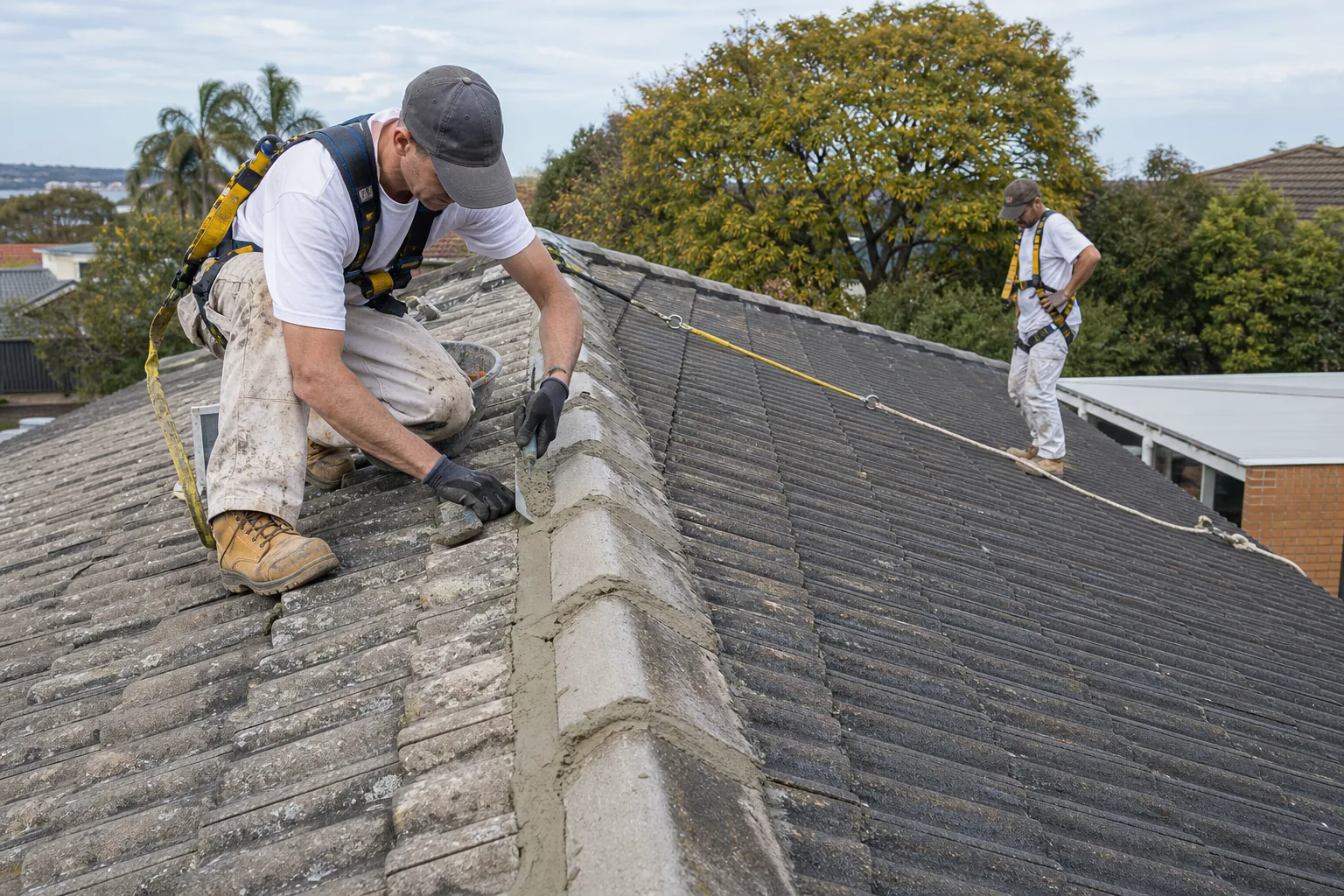
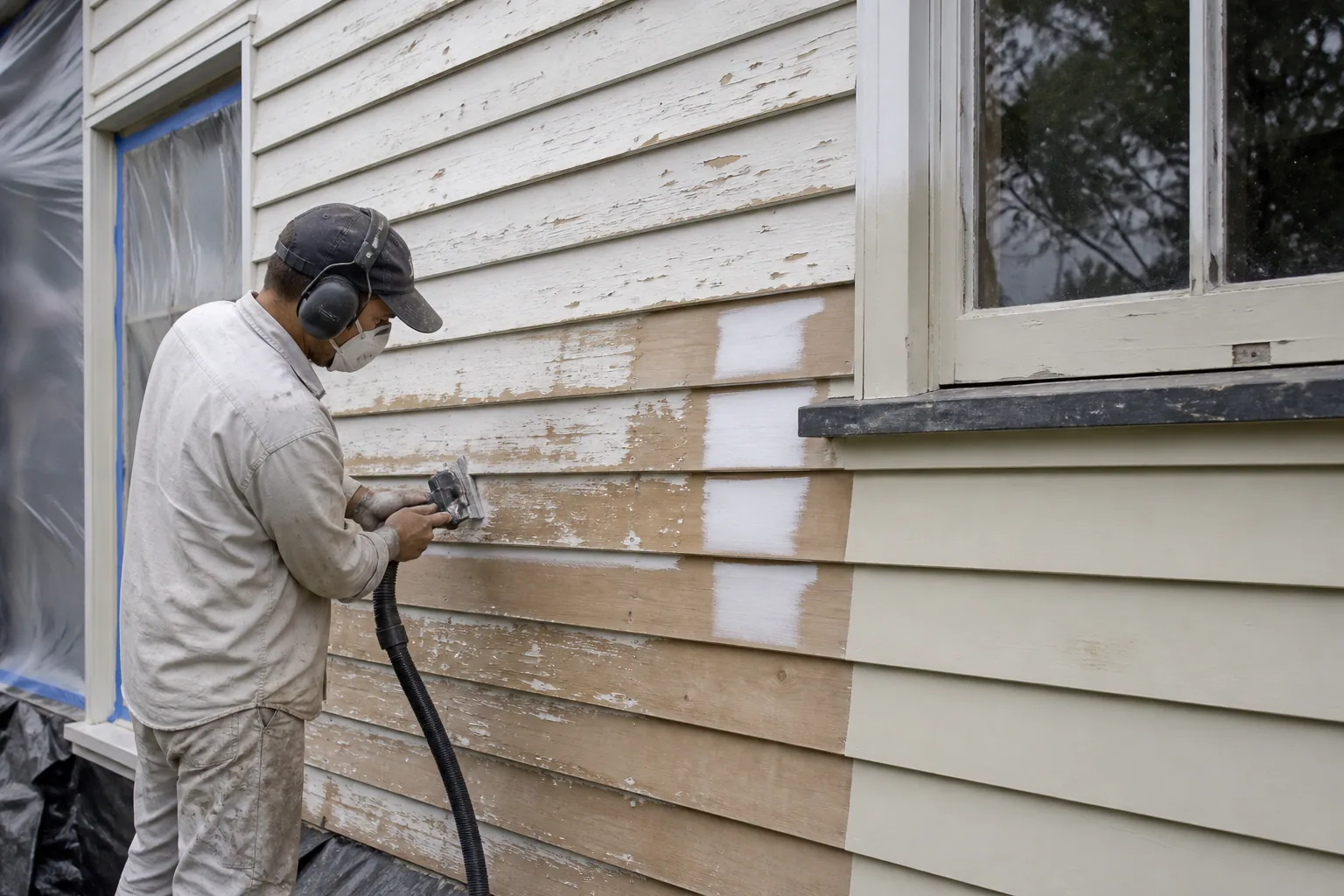
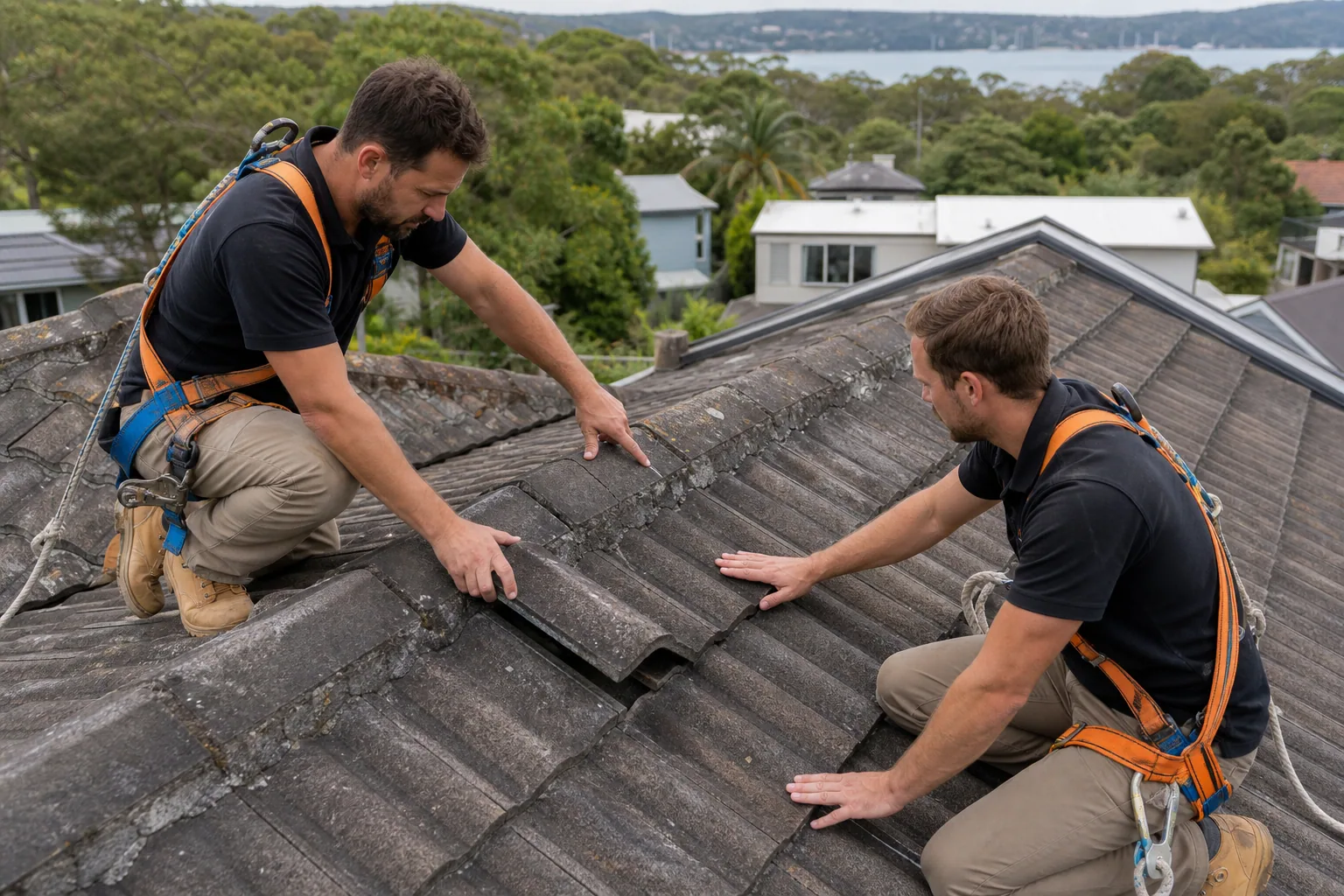
A roof restoration usually starts with a high-pressure clean to remove moss, lichen, dirt and loose material, followed by a proper inspection to identify broken or slipped tiles, deteriorated ridge capping pointing (the mortar bedding along the roof's ridge lines), and any rust spots or corrosion on metal roofing. Broken tiles are replaced, ridge capping is often re-bedded and re-pointed, and rust on metal roofs is treated before coating.
Once repairs are complete, the process typically moves to priming any bare or repaired areas, sometimes applying a flexible roof membrane over problem areas like ridge lines and valleys, and finishing with two coats of a roof-specific topcoat. This layered approach is what makes restoration a longer and more thorough process than a simple repaint.
When Simple Repainting Is Enough
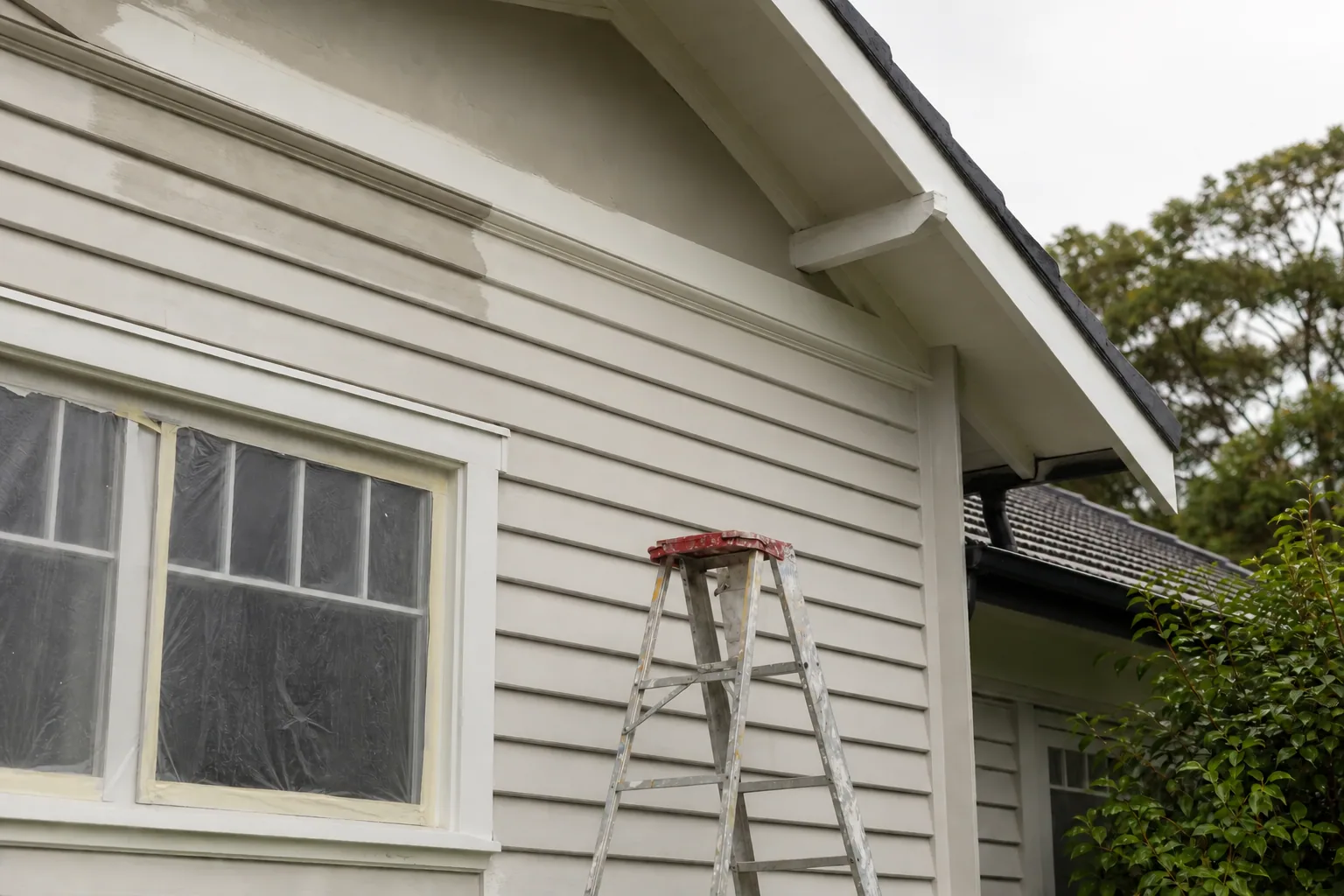
If a roof is structurally sound, with no broken tiles, no failing ridge capping and no significant rust, and the main issue is faded or chalky paint, a straightforward clean and repaint can be entirely appropriate. This is common on roofs that were restored or properly coated in the past and are simply due for a refresh rather than having any underlying defects.
The key test is whether the roof has any functional problems beyond the coating itself. If water is getting in anywhere, if capping is loose, or if tiles are cracked or slipping, painting over those issues without addressing them first just delays a more significant problem rather than solving it.
Tile Roofs vs Metal Roofs
Concrete and terracotta tile roofs tend to show different problems to metal roofing. Tiles can crack, chip or become porous over time, and ridge capping pointing deteriorates and can let water in at the roof's highest, most exposed lines. Metal roofs, including Colorbond-style profiles, are more prone to rust, especially at fastener points, flashings, and any areas where the protective coating has worn through.
Because the failure modes are different, the restoration process is tailored to the roof type: tile roofs focus heavily on capping repair and tile replacement, while metal roofs focus on rust treatment, fastener condition, and flashing detail before any coating is applied. Getting this assessment right at the start avoids paying for work the roof doesn't actually need.
Weighing Up the Value of Each Option
Restoration involves more work and more materials than a simple repaint, and it's reasonable to expect it to represent a larger job overall, but it also addresses problems that a coating alone can't fix, and can meaningfully extend how long the roof performs before major work is needed again. A quality roof coating can also help with heat reflection and general weatherproofing, a real, if secondary, benefit alongside the visual refresh.
The right way to think about it isn't restoration versus painting as competing options, but as two different responses to two different roof conditions. Getting an honest assessment of the roof's actual condition first is what determines which one applies, rather than assuming either option by default.
Questions Worth Asking Before You Decide
Ask whoever is quoting the job to walk you through what they found on inspection, specifically how many tiles need replacing, the condition of the ridge capping pointing, and whether there's any active rust or corrosion on metal sections. A reputable assessment should be able to explain clearly why a job is being scoped as a restoration rather than a repaint, or the other way around.
It's also worth asking about the paint and membrane systems being proposed, how many coats are included, and what preparation steps, cleaning, priming, repairs, come before the topcoat, since these details are what separate a roof job that lasts from one that needs redoing sooner than it should.
Sources & further reading
Authoritative references for the safety, planning and product considerations discussed in this guide.
Frequently asked questions
Quick answers to follow-up questions on this topic.
If there are broken or cracked tiles, deteriorating ridge capping pointing, rust on metal sections, or any sign water is getting in, restoration is the appropriate process; if the roof is structurally sound and just faded or dirty, a repaint may be all that's needed.
It can address specific causes of leaks such as broken tiles, failed capping pointing, or rusted-through metal sections, but it isn't a substitute for a full roof inspection if there's an active or unexplained leak, which should be investigated directly.
It varies with roof type, orientation, climate exposure and the quality of preparation and coating system used, but a well-prepared, properly coated roof generally provides many years of protection before it needs attention again.
The general idea is similar, clean, repair, then coat, but the specific issues addressed differ: metal roofs focus on rust treatment and flashing condition, while tile roofs focus on cracked tiles and ridge capping pointing.